


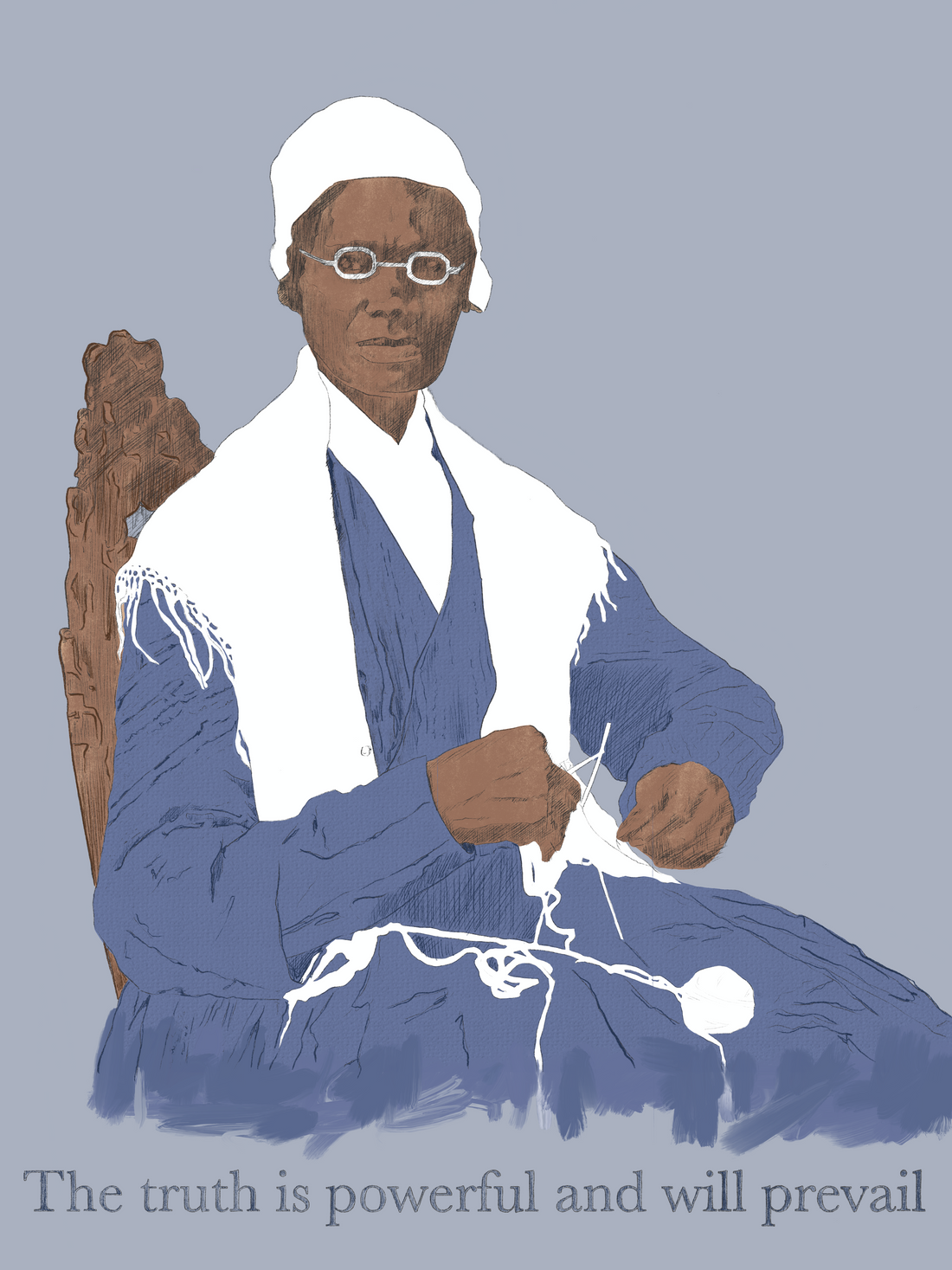
Have you ever stopped to wonder about the power packed within the words, “Ain’t I a Woman?” It’s not just a question; it’s a challenge, a bold assertion of identity and strength from one of history’s most inspiring figures, Sojourner Truth. Her speeches and quotes slice through assumptions and demand recognition in ways that still resonate today. Let’s explore 10 quotes from Sojourner Truth’s iconic “Ain’t I a Woman?” speech and reflect on the boldness each one carries.
The Enduring Question: Ain’t I a Woman?

“Ain’t I a Woman?” — these words are more than a question. They challenge anyone who doubts a Black woman’s strength, intellect, and humanity. Truth posed this query during a time when society tried to erase her significance. Her words remind us that the fight for equality isn’t abstract; it’s personal and deeply rooted in identity.
A Bold Statement on Strength and Labor
Truth vividly described her experience with physical labor, saying, “I have ploughed and planted, and gathered into barns, and no man could head me!” This declaration pulls you into her lived reality — that strength knows no gender, despite the stereotypes imposed by society. Isn’t that a challenge for us all to rethink assumptions?
Defying Expectations: Embracing Womanhood

In her powerful speech from 1851, Truth breaks apart the idea that womanhood is fragile or delicate. She said, “I could work as much and eat as much as a man — when I could get it — and bear the lash as well!” Beyond labor, she stood tall against injustice, shaking the roots of inequality with resolve and resilience.
Questioning Moral Double Standards

“I have borne thirteen children, and seen most all sold off to slavery, and when I cried out with my mother’s grief, none but Jesus heard me!” Here, Truth exposes the brutal realities of slavery and maternal pain filtered through society’s blindness. The emotional weight behind these words dares us to acknowledge these stark injustices.
Demanding Equality with Conviction
To insist on equality, Truth spoke plainly and firmly: “If the first woman God ever made was strong enough to turn the world upside down all alone, these women together ought to be able to turn it back.” The playful but pointed challenge here is clear — why should anything less be expected from the collective power of women?
The Call to Recognize Every Woman’s Worth
Sojourner Truth’s speech wasn’t just for the moment; it was a rallying cry to recognize every woman’s dignity. The challenge is simple: Can society truly accept that Black women deserve the same respect and rights as others? The courage in that question still stirs minds and hearts.
Breaking Silences, Igniting Change
By voicing her pain and pride openly, Truth showed us the power of breaking silences. “I say that if woman want to be free, man must be free too.” This quote cleverly confronts the interconnectedness of all struggles for freedom, reminding us that justice must be universal for real progress.
Redefining Strength in Womanhood
Truth’s insistence on being seen as both strong and womanly reshapes the stereotype of femininity. “Nobody ever helps me into carriages, or over mud-puddles, or gives me any best place!” This pointed observation asks us to reassess how kindness and respect are doled out unevenly based on race and gender.
Empowering Through Anecdotes
Her speech was laced with personal anecdotes that embodied resilience. When she said, “Ain’t I a woman?” repeatedly, she wasn’t just asking a question — she was affirming her own undeniable humanity and worth. It’s a cheeky yet profound method of making an unignorable point.
Legacy of a Question That Transforms
Ultimately, the lasting legacy of “Ain’t I a Woman?” is its ability to push boundaries and reframe discussions about race, gender, and justice. Sojourner Truth’s fearless challenge continues to inspire a playful yet daring question: Are we really ready to answer her?
