Slavoj Žižek, the philosopher who dances along the razor’s edge between ideology and humor, invites us into a carnival hall of mirrors where truth and parody reflect endlessly. His words are not just quotes but verbal kaleidoscopes, reshaping how we see the invisible structures of power and belief that shape our world. Here are ten of his most riveting quotations, each a lens through which we glimpse the peculiar theater of ideology — all sprinkled with the mischievous dust of a joke.
The Freedom of Lacking Language
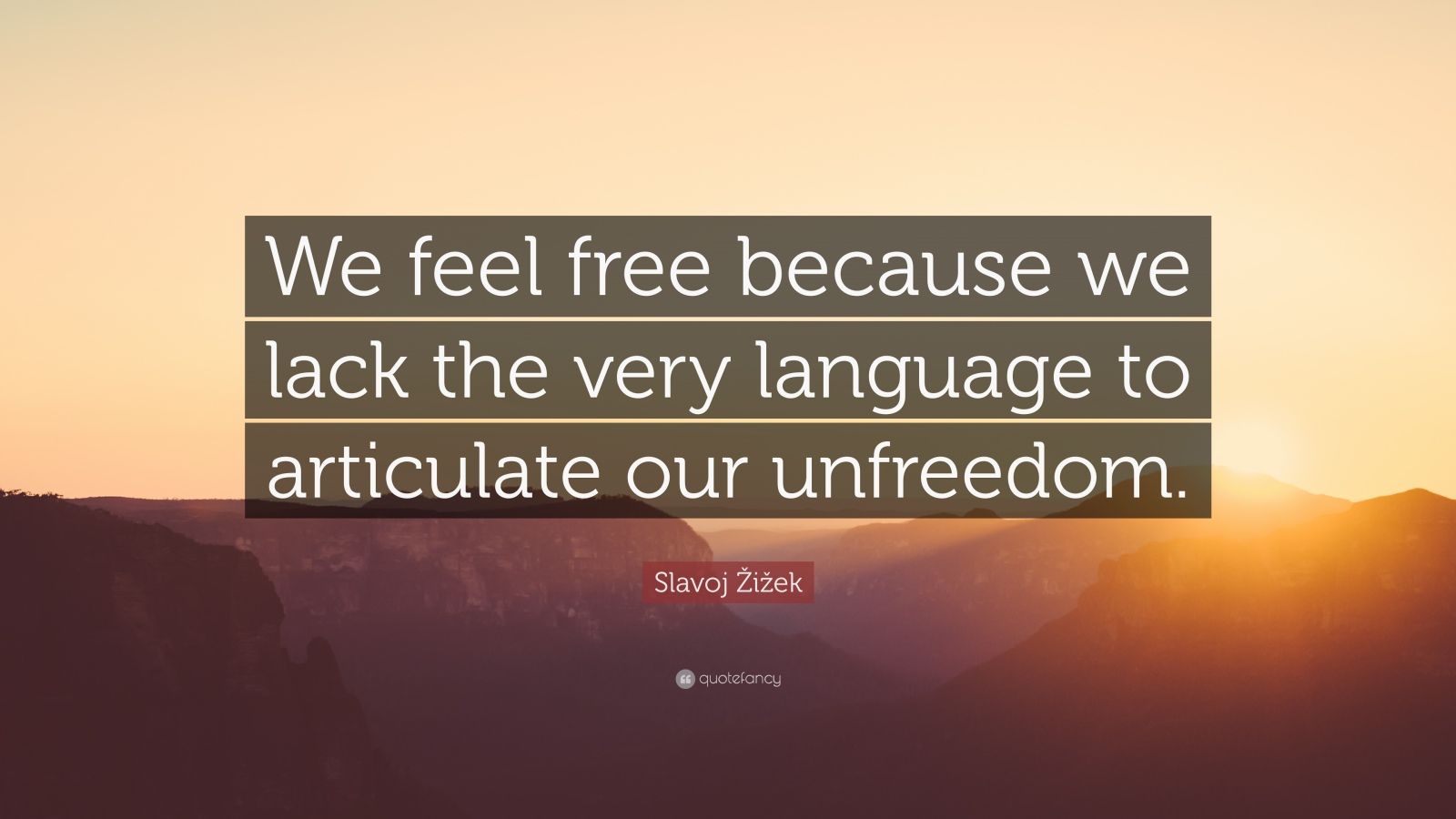
“We feel free because we lack the very language to articulate our unfreedom.” This chilling paradox reminds us that the shackles of ideology often go unnoticed precisely because they are invisible, their chains woven not of iron but silence. Freedom, then, becomes a ghostly sensation — a mirage sustained by the absence of words to name what imprisons us.
The Minimum Ingredient of Structure
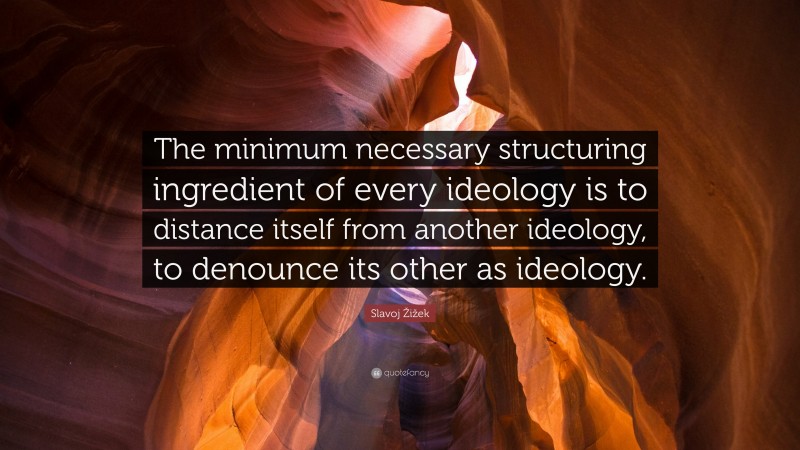
Žižek reveals ideology as the “minimum necessary structuring ingredient” that holds together the social fabric. It’s like the yeast in the dough of society, unseen yet indispensable, causing the entire mixture to rise. Without this invisible binder, the illusion of order collapses into chaos.
The Shadow of the Abstract Self
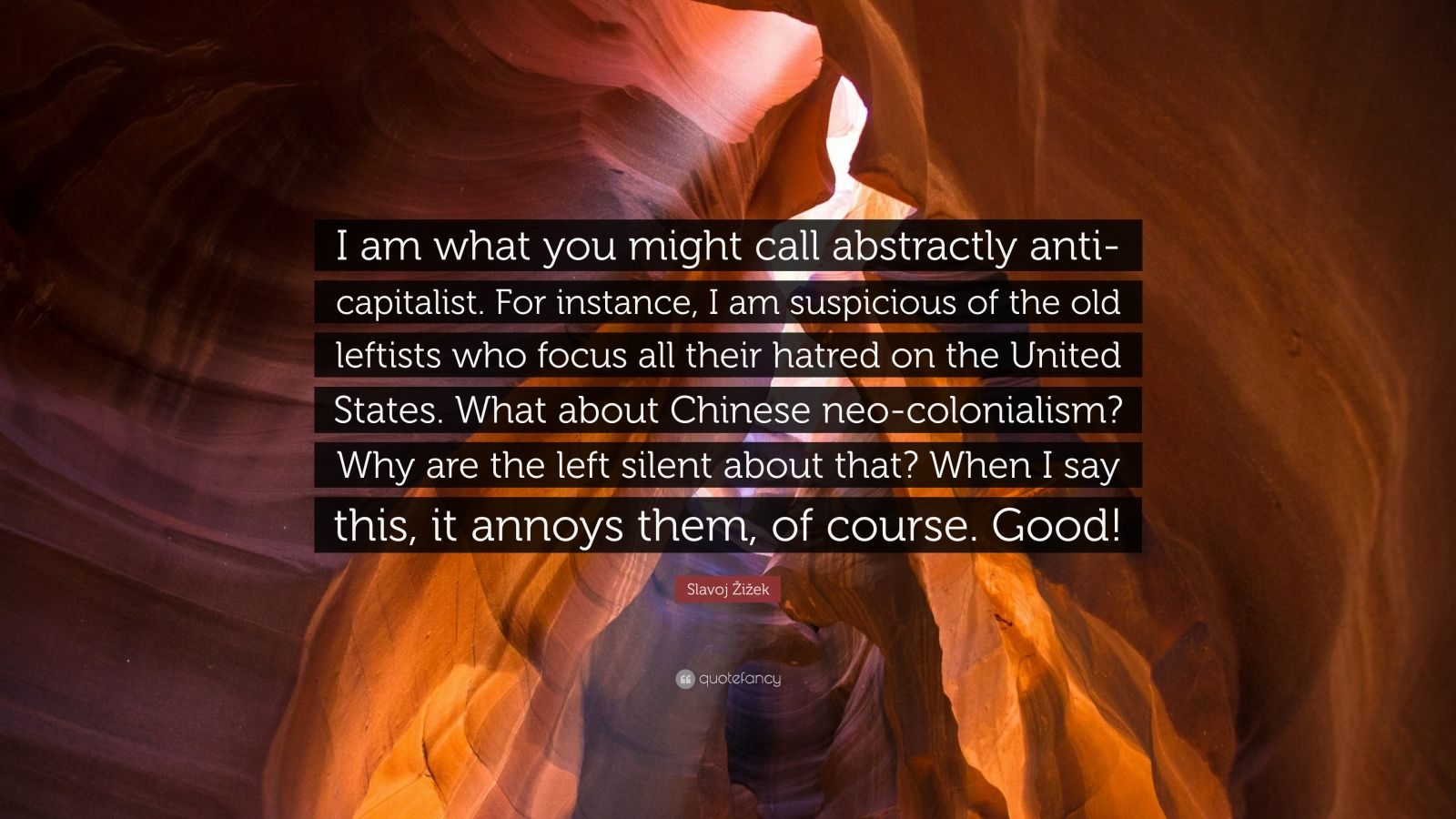
In a self-reflective twist, he confesses to being “abstractly anti-ideological,” which is itself a kind of ideology. This quip pokes fun at the impossibility of existing outside ideology’s web. We often see ourselves as detached critics, but Žižek slyly unveils that such detachment is another mask in the grand masquerade.
Ideology As a Capitalist Specter

Capitalism and ideology entwine in Žižek’s analysis like dance partners locked in a perpetual tango. Ideology becomes the ghost haunting the capitalist machine, quietly whispering that everything is fine even as contradictions mount. His work deep-dives into how capitalism wears ideology not as a mask, but as its very skin.
The Wise Wit of Žižek’s Quotes

Between the profound and the playful, Žižek’s sayings shimmer with sharp wit — like a jester’s dagger cutting through pomp and pretense. His jokes don’t just amuse; they dismantle, revealing the absurdities that ideology carefully hides behind serious faces.
Slavoj Žižek’s insights into ideology do more than diagnose cultural malaise; they invite us to laugh in the face of complexity, recognizing that sometimes the most radical act is to see the joke embedded within the system itself. His words beckon us not only to think but to chuckle, acknowledging the strange comedy that underpins our collective consciousness.