Have you ever wondered how the sprawling patterns of our cities shape more than just the landscape? Marty Hart’s reflections on sprawl aren’t just about geography—they pose a challenge to rethink our connection with urban life and the dreams stretched thin across endless suburbs. Let’s dive into 10 thought-provoking quotes that reveal the complexities of sprawl and invite you to question the choices behind our built environment.
Los Angeles: A Sprawl of Broken Dreams
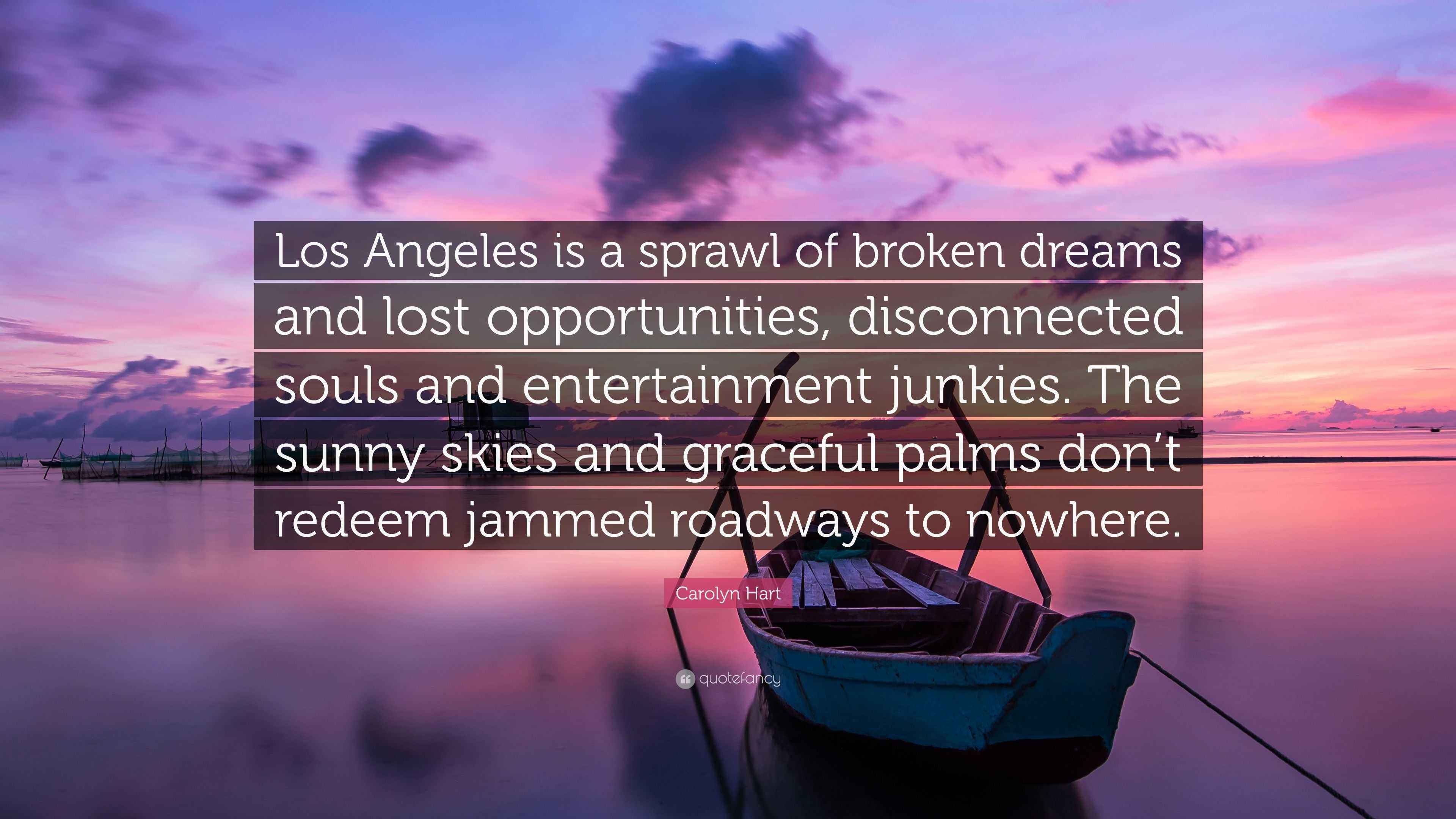
Marty Hart might ask: What happens when the urban landscape mirrors the fragmented aspirations of its inhabitants? Los Angeles is often cited as the quintessential example of sprawling development, a city stretched wide and thin with dreams scattered like so many fragments. This cityscape poses the question—can growth without planning lead to just broken promises?
Great Mapping Quotes and the Art of Understanding Sprawl

Mapping our world is more than just lines on paper; it’s a way to confront the sprawl itself. Marty Hart would challenge us to look beyond the surface, using maps as tools to decode the patterns and potentially chaotic growth of cities. Can a better understanding through mapping inspire smarter choices to tame the sprawl?
Protecting Solano: Fighting Sprawl with Greenbelt Boundaries

When access to open, green space is swallowed by unchecked development, what’s lost is more than just land. Marty Hart’s insights might push us to ask: How do we protect our communities and natural spaces from the relentless expansion of sprawl? Initiatives like those in Solano serve as a beacon, showing that smart growth can be a choice.
Ecological Disaster and the Price of Sprawl

The environmental impact of sprawl is more than just inconvenient—it’s potentially catastrophic. Marty Hart would likely echo the warning that ignoring ecological disaster is no longer an option. How do sprawling developments contribute to this risk, and what responsibility do we bear in averting it?
Carl Hart on Human Behavior and Urban Spaces

Human behavior intertwines with the spaces we inhabit, and Carl Hart’s reflections remind us of the social dynamics embedded within sprawl. Marty Hart might nudge us to think: Beyond infrastructure, how does sprawling society influence human interaction, opportunity, and even addiction to consumption within urban environments?
Challenging the Norm of Endless Expansion
Is the endless outward growth of cities an inevitable fate or a choice ripe for reconsideration? Marty Hart’s observations compel us to challenge the norms that glorify sprawl. By reflecting on these diverse ideas—from broken dreams in Los Angeles to grassroots greenbelt preservation—are we ready to imagine a city that grows smarter, not just bigger?
Urban Dreams and the Reality of Lost Opportunities
Sprawl often promises new opportunities and freedom but frequently delivers isolation and loss. Marty Hart’s lens shows us the contradiction between the dream of expansion and the reality many face. Could it be that the bigger the city sprawls, the smaller each individual’s opportunity feels?
Mapping as a Way to Reclaim Our Cities
Imagine using mapping not just to track growth but to strategically reclaim our cities. Marty Hart’s potential challenge here: Can we learn to read the urban sprawl like a story and rewrite its narrative toward sustainability and community-centered design?
The Fight to Preserve Ecology Within Urban Growth
Urban sprawl doesn’t just consume land; it erodes the ecological balances that sustain life. Marty Hart’s perspective would surely highlight the urgency of defending green spaces and promoting thoughtful growth. How can our cities become models for coexistence rather than conquest?
Redefining Connection in a Sprawling World
Finally, sprawl stretches more than geography—it stretches human connections. Marty Hart’s contemplations might close with this: How do we redefine community and belonging when physical distances grow but social bonds are at risk of thinning? The challenge is clear—sprawl asks us to rebuild not just cities, but the very idea of closeness.