In the realm of philosophy and social theory, few thinkers have inspired as much contemplation on communication and society as Jürgen Habermas. His discourse ethics and theories on communication emphasize how dialogue shapes understanding, democracy, and social integration. Many find themselves returning to his words, drawn by the profound insight he offers into the fabric of human interaction. Below, we explore 10 quotes from Habermas that illuminate the significance of discourse, bringing to light the layers beneath everyday conversation and the quest for mutual understanding.
The Power of Reaching and Understanding
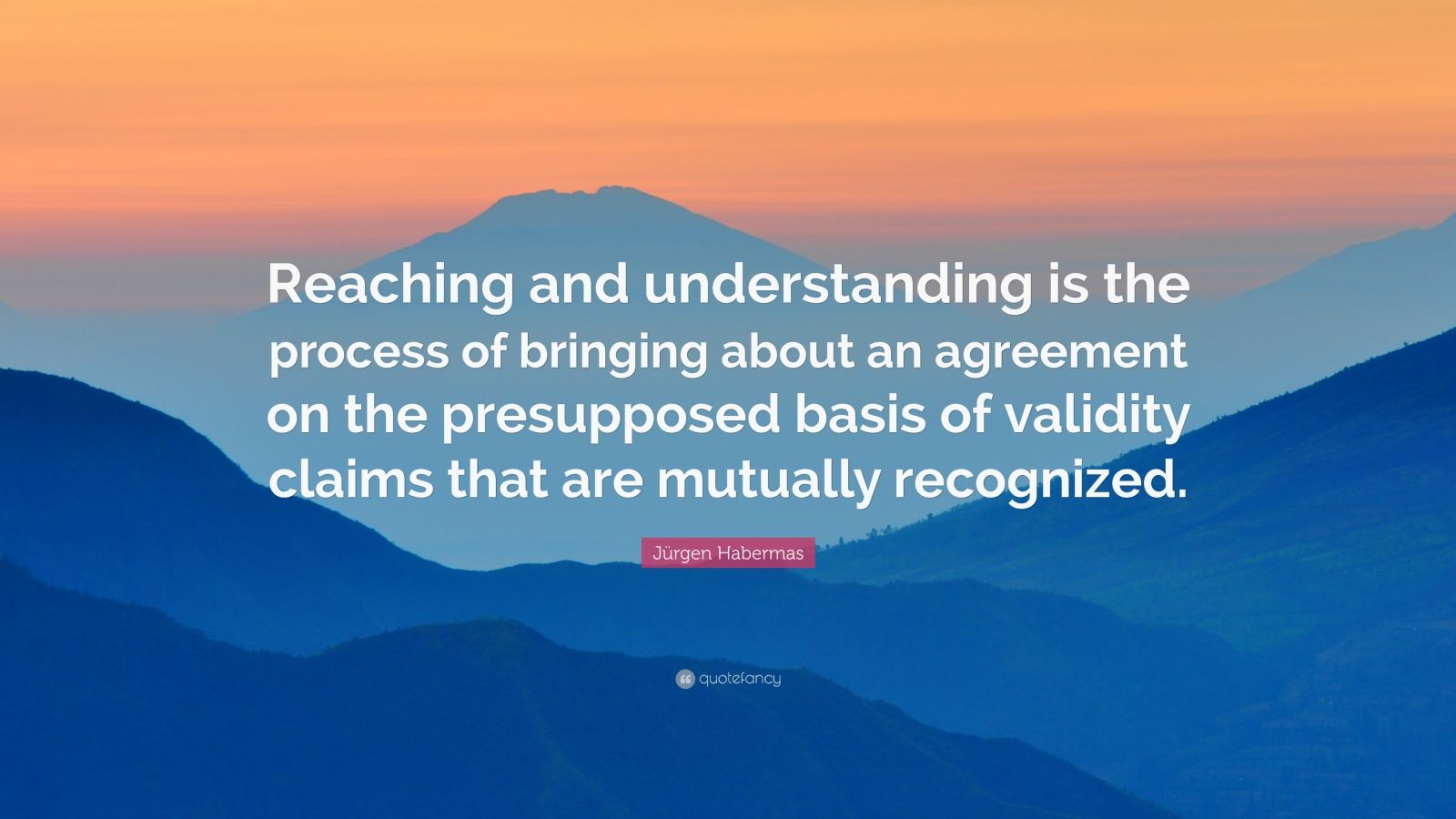
“Reaching and understanding is the process of communication that transcends mere exchange of words.” This quote hints at the fundamental nature of discourse—true communication is not just speaking, but a shared journey toward deeper comprehension. Habermas reminds us that beneath casual conversation lies a powerful tool for connection and transformation.
Discourse Ethics and Rational Dialogue

Habermas’ revolutionary discourse ethics emphasize the necessity of rational dialogue in ethical deliberations. He believes that only through open, inclusive communication can participants reach legitimate consensus. This reflects a steadfast belief in reason as the foundation of democracy and moral judgment.
Communication as the Core of Society

According to Habermas, communication is not merely an activity—it is the core process that holds society together. His discourse theory underlines how norms and meanings emerge from collective discussions, urging us to reconsider how dialogue shapes social structures and cultural understanding.
The Ideal Speech Situation
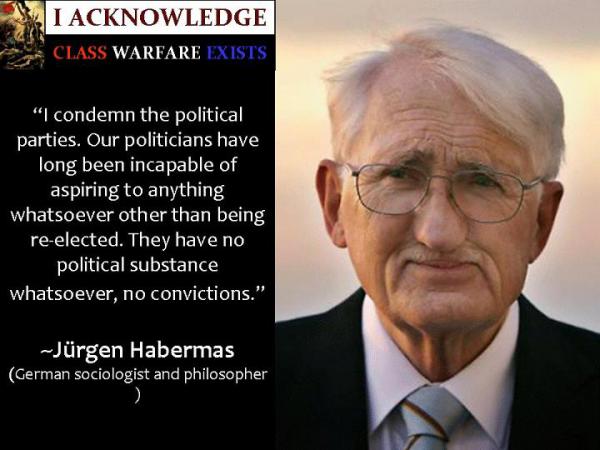
Central to his philosophy is the concept of the “ideal speech situation,” where participants engage free from coercion, with equal opportunity to speak and be heard. This vision highlights the inherent challenges and aspirations within real-world conversations and public discourse.
The Role of Consensus in Discourse
Habermas advocates that a true democratic process depends on consensus achieved through dialogue. This idea speaks to a deeper fascination with how communicative action fosters trust, cooperation, and legitimacy in collective decision-making.