Can duty truly be the guiding star through the maze of life’s choices, or is it just an old-fashioned notion we’re too polite to discard? Immanuel Kant believed that duty isn’t just a suggestion—it’s an unshakable moral law governing our actions and the foundation of ethical living. But how well do you know what Kant really said about duty? Let’s unravel 10 compelling quotes from this philosopher that challenge us to rethink what it means to act rightly, even when it’s not easy or convenient.
The Call to Beneficence: More Than a Kind Gesture
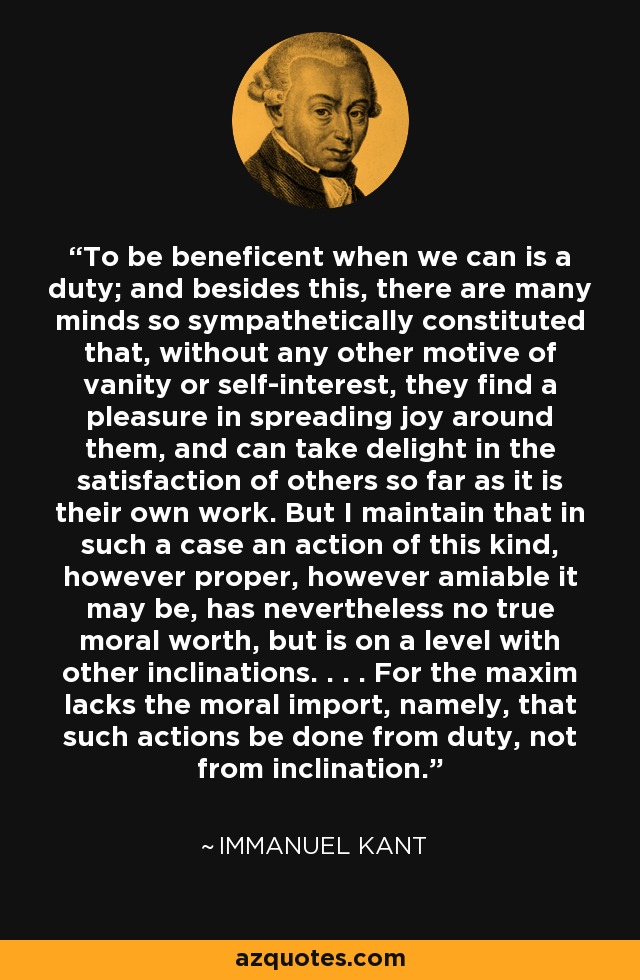
Kant emphasizes, “To be beneficent when we can is a duty.” This reminds us that kindness isn’t an optional extra but a serious moral imperative. The challenge? In a world that often celebrates self-interest, can we truly commit to the duty of beneficence without expecting something in return?
Unpacking the Meaning of Duty

What does Kant actually mean by duty? It’s not about blind obedience but acting from principles that respect dignity and reason. This quote pushes us to question: Do our actions stem from genuine respect for moral law, or are they mere habits cloaked as duty?
Beneficence: A Repeated and Essential Duty

Kant insists that beneficence isn’t a one-time act but a frequent duty: “Beneficence is a duty; and he who frequently…” forces us to confront how often we practice kindness. It’s easy to do good when convenient, but will we sustain it as a constant duty?
The Moral Fabric of Human Interaction

Kant’s philosophy centers on respect for the humanity in each individual. His idea that our duty involves recognizing others as ends and not merely means raises the question: Are your daily choices treating people with the respect they deserve?
Always Recognize Human Individuals as Ends
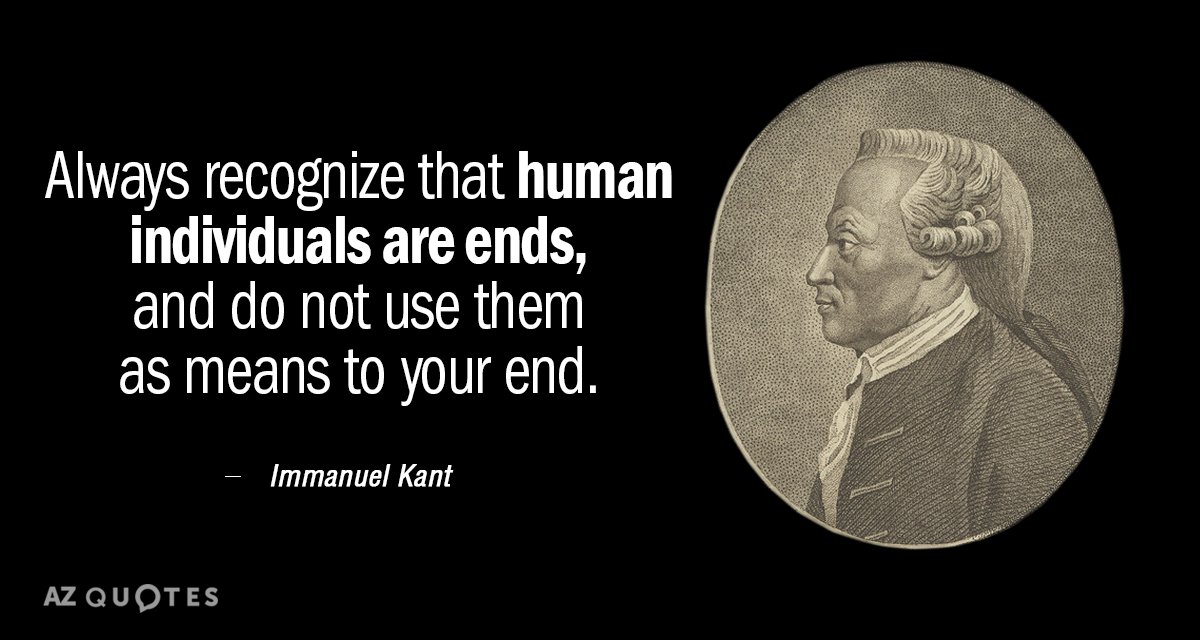
This quote crystallizes Kant’s categorical imperative: “Always recognize that human individuals are ends and do not…” It calls us to uphold the intrinsic value of every person. The challenge? To live by a morality that insists on dignity, compassion, and unwavering respect in every interaction.