


Fyodor Dostoevsky’s “Notes from Underground” offers a profound exploration into the complexities of human nature and the conflicts that arise within the depths of the human psyche. Each quote from this seminal work challenges the reader to reconsider preconceived notions about consciousness, freedom, and the shadows that lurk beneath societal facades. Here are ten compelling insights from Dostoevsky’s journey into the underground that promise to shift your perspective and ignite curiosity.
The Conflicted Voice of the Underground

“I am a sick man… I am a spiteful man. I am an unattractive man.” This stark introduction plunges us into the conflicted mind of the underground man, who lays bare his flaws without concession. It’s a call to confront the uncomfortable truths about ourselves, those parts often hidden beneath a polished exterior.
Defiance in the Face of Reason

“Man only likes to count his troubles; he doesn’t calculate his happiness.” This quote reveals the underground man’s defiant refusal to accept the neat calculations of rationalism. It suggests a deeper, often irrational human tendency to dwell on suffering – a challenge to the belief that reason alone governs our lives.
A Glimpse Into Self-Awareness

“It is not human nature that is at fault – it’s the circumstances.” Here, the underground man questions the blame we place on human nature itself. It’s an invitation to examine how external forces shape our inner turmoil and prompt a more compassionate understanding of ourselves and others.
The Paradox of Freedom and Despair
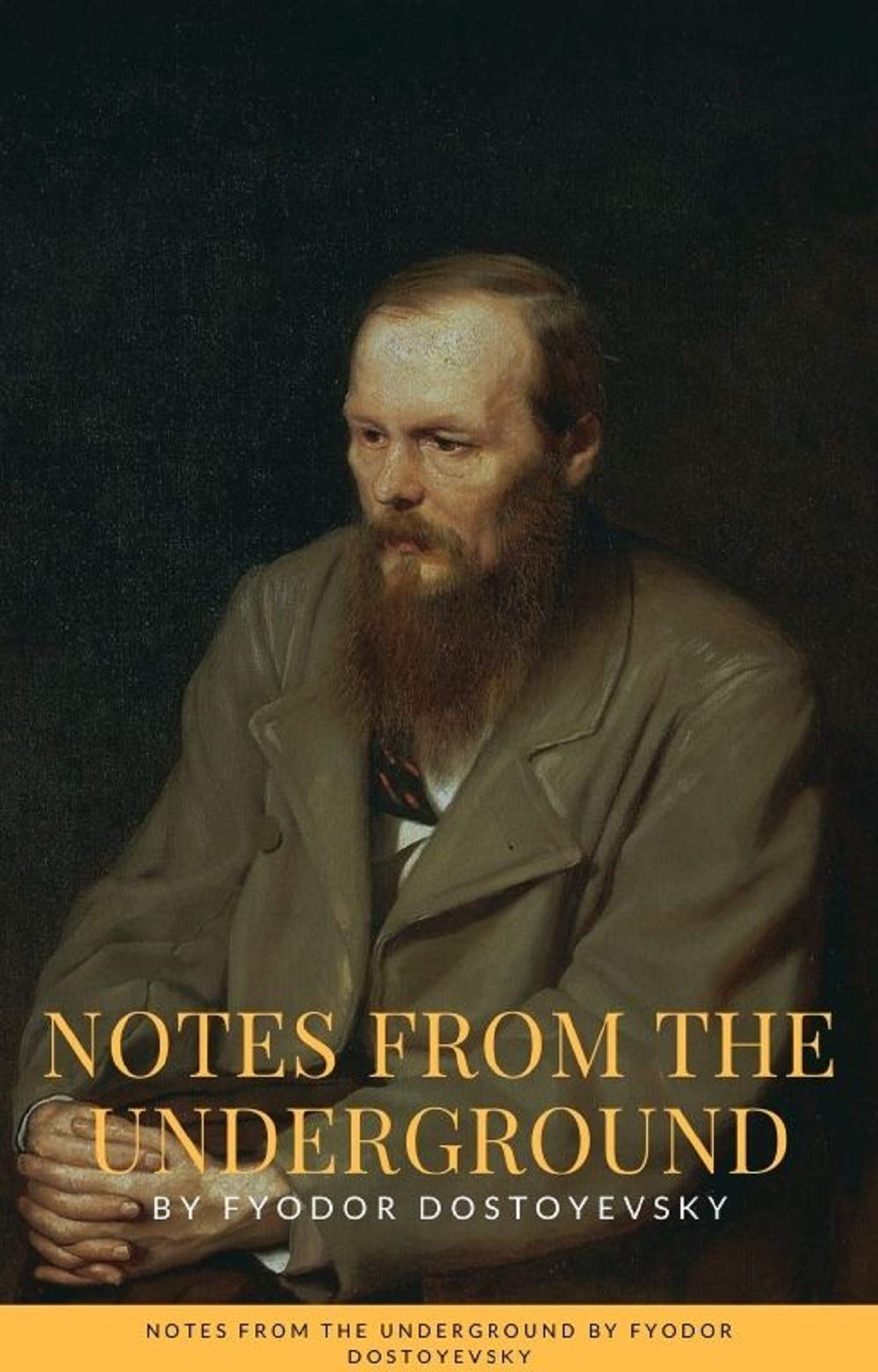
“Freedom is an insurmountable force.” The underground man wrestles with freedom not as a simple blessing but as a burden that can lead to despair. This paradox compels us to rethink what it truly means to be free in a world filled with limitations and contradictions.
The Curse of Overthinking

“I say let the world go to hell, but I should always have my tea.” This seemingly trivial statement evokes the underground man’s wry humor and the strange comfort found in simple routines, even amid existential chaos. It’s a reminder of how small habits can anchor us when our minds race into uncertainty.
Embracing the Irrational
“Man is sometimes extraordinarily, passionately, in love with suffering.” This gripping admission shines a light on the paradox that humans often embrace pain and irrationality, challenging the idea that happiness or logic always drives our actions.
Isolation as a Mirror
“To be too conscious is an illness – a real thorough-going illness.” The underground man mourns the disease of excessive self-awareness, suggesting that isolation can intensify our darkest thoughts but also force a raw confrontation with our true selves.
The Illusion of Progress
“We are fools that imagine that happiness can be found in harmony, in painless development, in all those fables propagated by reason.” Dostoevsky critiques the blind faith in progress and reason, urging a more skeptical view of societal narratives about success and fulfillment.
The Power of Contradiction
“Man likes to have a choice, but he is afraid to make it.” This quote reveals the paradox at the heart of human decision-making – the yearning for freedom tangled with fear and indecision, setting the stage for existential drama.
Confronting the Self
“The man who has a conscience suffers whilst acknowledging his sin. That is his punishment – as well as prison.” The underground man’s painful self-awareness embodies the eternal struggle between guilt and redemption, leaving readers to ponder their own internal battles.
