


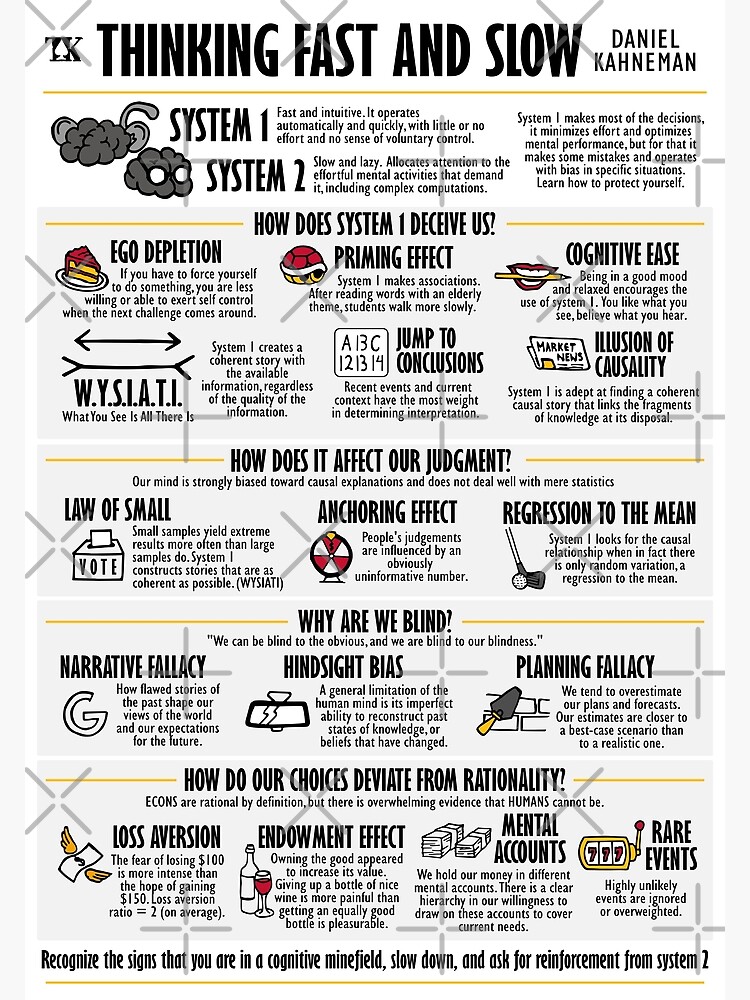
Imagine the mind as a vast and intricate theater where two actors perform a ceaseless duet—the quicksilver sprinter who leaps effortlessly through decisions and the slow, deliberate thinker who carefully weighs each step. Daniel Kahneman’s masterpiece, Thinking, Fast and Slow, unravels this dynamic interplay, unveiling profound insights that reveal the architecture of human thought. Here are 10 illuminating quotes from Kahneman that dive into this fascinating dance of cognition, each a lighthouse guiding us through the complex ocean of our minds.
The Lightning Speed of Intuition
“Nothing in life is as important as you think it is, while you are thinking about it.” This reminds us how the lightning-fast System 1 can exaggerate the moment, shaping what feels urgent and significant. It’s like a flash of lightning that briefly illuminates a landscape, casting dramatic shadows that vanish as quickly as they appeared.
The Slow, Patient Architect of Reason
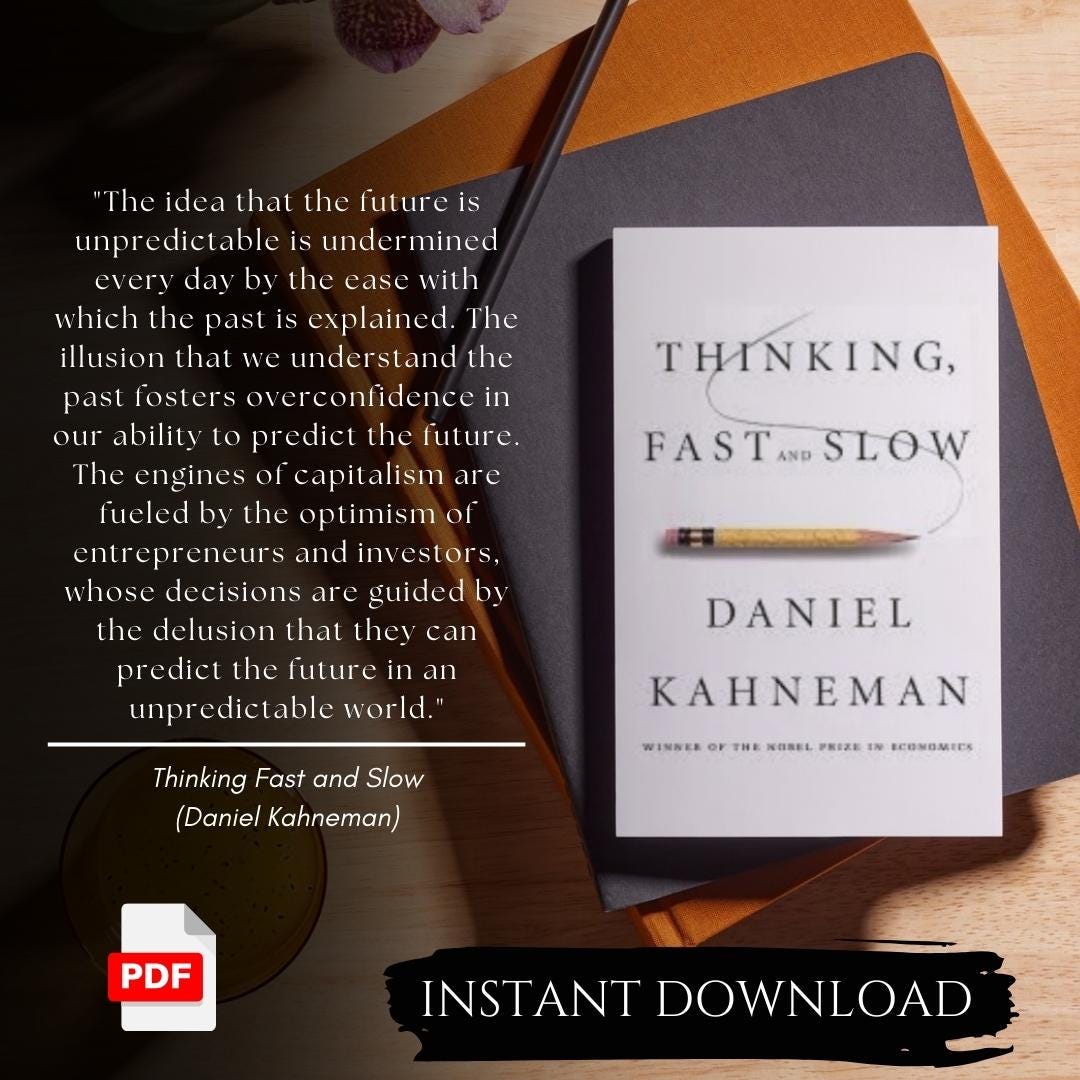
“The idea that the future is unpredictable is undermined every day by the ease with which the past is explained.” Kahneman emphasizes how our slower System 2 likes to construct narratives post-factum, meticulously laying bricks to build a comforting story wall around the chaos of experience.
The Dual Engines of Judgment
“A reliable way to make people believe in falsehoods is frequent repetition.” Here, Kahneman reveals how System 1’s quick tractability makes it vulnerable to persuasion — like a well-tuned radio picking up repetitive signals, sometimes distorting the truth into a catchy tune.
Boundaries of Intuition

“We can be blind to the obvious, and we are also blind to our blindness.” This quote sheds light on the limits of our intuition—the mind’s spotlight often fails to illuminate the entire stage, creating blind spots that slow, reflective thinking must patiently uncover.
The Subtle Power of Heuristics

“Our comforting conviction that the world makes sense rests on a secure foundation: our almost unlimited ability to ignore our ignorance.” Kahneman highlights how heuristics—mental shortcuts—can be comforting lifeboats, offering quick navigation, but they also risk steering us into unseen reefs.
The Illusion of Expertise
“Expert intuition strikes us as magical and mysterious, but it builds on regularities that are not miraculous.” This demystifies expertise, showing it as a slow craft built through repeated exposure, where fast thinking gains precision only from the watchful eye of experience.
The Tyranny of Confirmation
“What you see is all there is.” Kahneman warns of the mind’s penchant for basing judgments solely on accessible information, creating mental echoes that reverberate until careful, slow scrutiny intervenes.
The Paradox of Choice
“Many of the choices people make would multiply their material well-being if only they thought harder.” A gentle reminder that beneath the comforting rush of quick decisions lies the treasure of improved outcomes—sometimes unlocked only by giving slow thinking the floor.
The Architecture of Risk
“Losses loom larger than gains.” This vivid insight exposes how System 1’s emotional shortcuts shape our aversion to risk, a shadowy guardian trading fast reactions for cautionary tales.
The Journey Toward Cognitive Mastery
“The greatest cognitive errors arise from the illusion that we understand the world.” Kahneman’s closing call inspires humility—the mindful traveler of thought must always be aware of the horizons still shrouded in fog, inviting a balance of speed and deliberation on the path to wisdom.
