Laughter and sorrow are two sides of the same human experience—often intertwined in ways that surprise and move us. Few figures in history understood this duality as deeply as Charlie Chaplin, whose life and art reflected both the joy of existence and the weight of hardship. Through his iconic performances and timeless words, Chaplin revealed how laughter can be a balm for pain, a shield against despair, and a bridge between hearts. His quotes about laughter and sorrow resonate because they capture universal truths: that joy and grief are not opposites but partners in shaping our humanity. Whether through a mischievous twirl or a silent tear, Chaplin’s wisdom invites us to embrace life’s contradictions with grace and humor.
Laughter as the Greatest Medicine
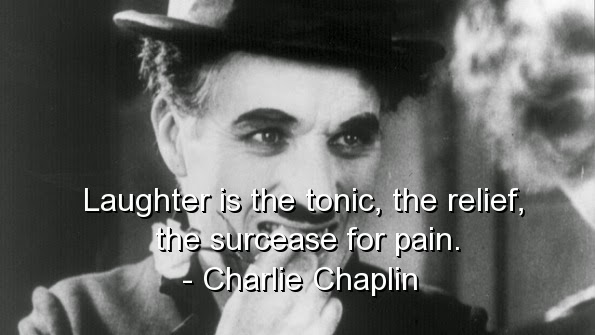
In a world that often feels heavy with burdens, Chaplin reminds us that laughter is more than just a fleeting emotion—it’s a healing force. “Laughter is the tonic, the relief, the surcease for pain,” he once said, framing joy as a natural antidote to life’s struggles. This idea isn’t just poetic; it’s rooted in science, as laughter releases endorphins and reduces stress. Chaplin’s own life—marked by poverty and exile—was a testament to how humor can lift the spirit even in the darkest times. His words encourage us to seek out laughter not as an escape, but as a vital part of resilience.
Finding Light in the Darkest Moments

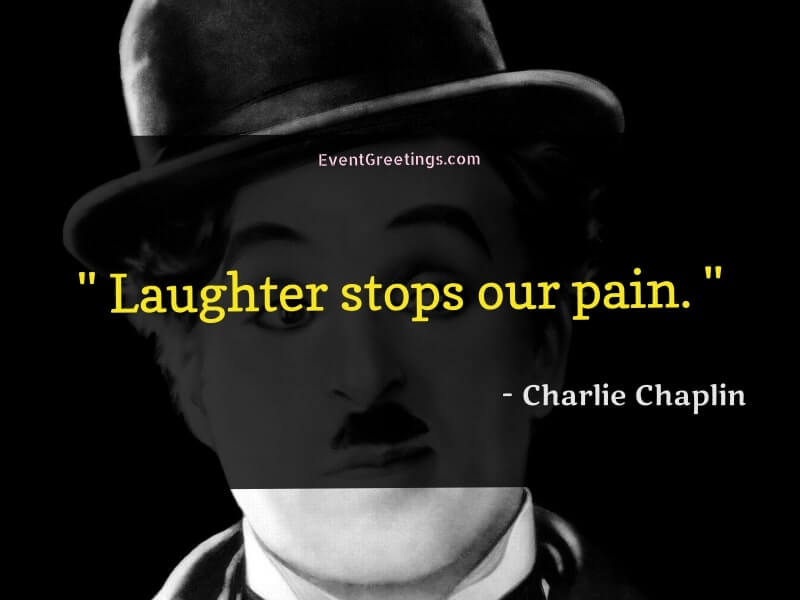
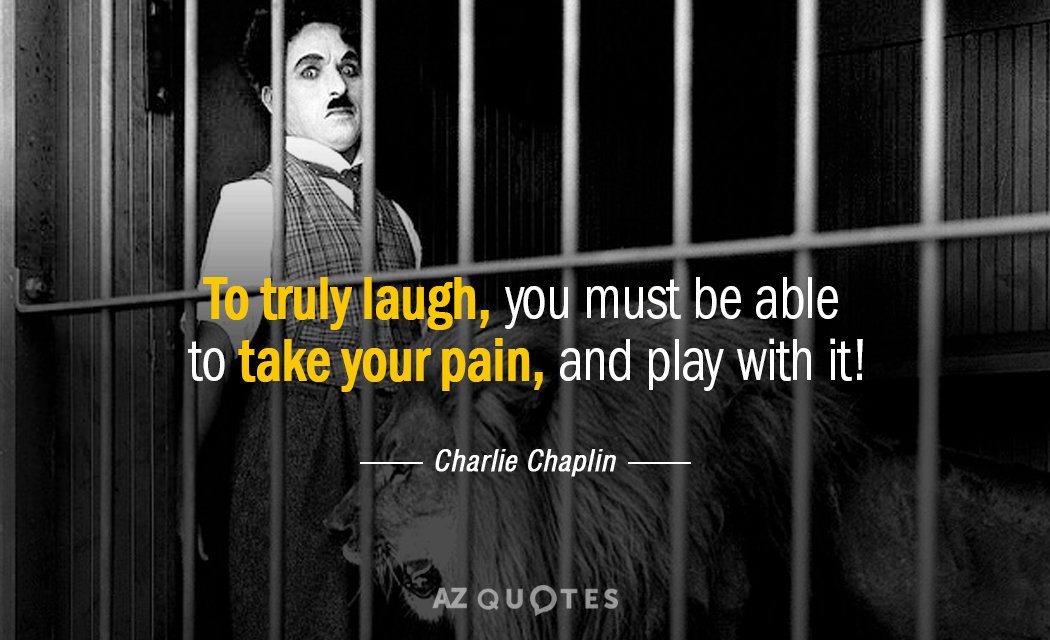
Chaplin’s genius lay in his ability to find humor in despair, a skill that made his films timeless. “To truly laugh, you must be able to take your pain and play with it,” he suggested, implying that sorrow and joy are not mutually exclusive but can coexist. This philosophy challenges the notion that we must suppress grief to embrace happiness. Instead, Chaplin’s perspective invites us to dance with our pain, to find its absurdity, and to laugh at the irony of life’s hardships. It’s a reminder that even in sorrow, there’s room for lightness—and that lightness can be a form of defiance.
The Paradox of Joy and Sorrow
Chaplin’s most profound insights often came from embracing contradictions. “We all want to help one another. Human beings are like that,” he observed, highlighting our innate capacity for both suffering and compassion. This duality is central to his work, where laughter and tears are never far apart. His quotes suggest that the depth of our joy is tied to the depth of our sorrow—that we laugh hardest when we’ve known pain, and we find solace in humor when life feels unbearable. This paradox isn’t just a quirk of Chaplin’s art; it’s a reflection of the human condition itself.
Laughter as a Universal Language

In an era of division, Chaplin’s words about laughter feel more relevant than ever. “Laughter is the language of the soul,” he might have said, emphasizing its power to transcend barriers. Whether through a shared joke or a silent chuckle, laughter connects us in ways that words often cannot. Chaplin’s own global appeal—from silent films to political exile—proved that humor is a universal currency. His quotes remind us that even in sorrow, we are never truly alone when we can laugh together. It’s a call to prioritize joy, not as a distraction, but as a shared human experience.
The Silent Power of a Smile
Chaplin’s most iconic moments were often wordless—a raised eyebrow, a stumble, a smile that spoke volumes. “A day without laughter is a day wasted,” he implied, suggesting that joy is not a luxury but a necessity. His silent films, devoid of dialogue, relied on expressions to convey emotion, proving that laughter needs no words to be powerful. This idea extends to our daily lives: a smile in the face of sorrow can be an act of quiet rebellion, a refusal to let pain define us. Chaplin’s legacy teaches us that even in silence, laughter can be a force for healing.