Milton Friedman’s Capitalism and Freedom remains one of the most influential works on economic policy and individual liberty. Published in 1962, the book argues passionately for free markets, limited government, and the power of voluntary exchange as the foundation of prosperity and freedom. Friedman’s insights cut across political divides, offering timeless wisdom on how economic freedom fosters innovation, reduces inequality, and protects civil liberties. Below, we explore 10 powerful quotes from the book, each paired with an image to bring Friedman’s ideas to life.
The Role of Crisis in Driving Change
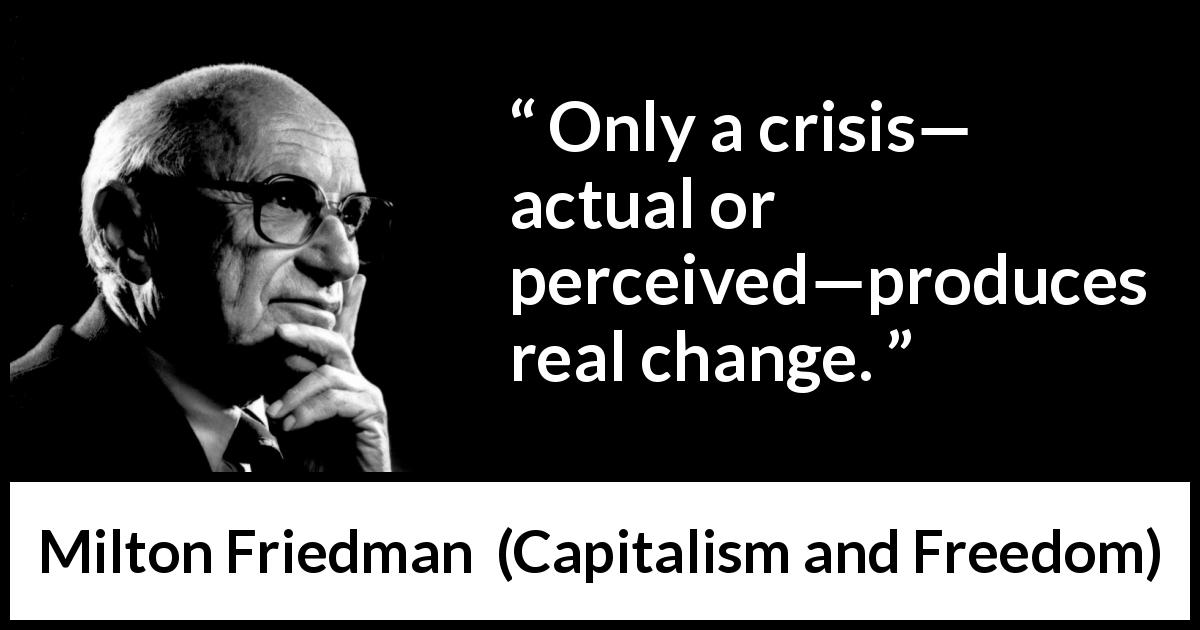
Friedman famously observed that crises—whether real or manufactured—often serve as catalysts for sweeping policy changes. Governments and institutions exploit moments of fear or urgency to push through reforms that might otherwise face resistance. This quote underscores the importance of vigilance in protecting individual freedoms, especially during turbulent times when the temptation to centralize power grows stronger.
The Threat of Concentrated Power
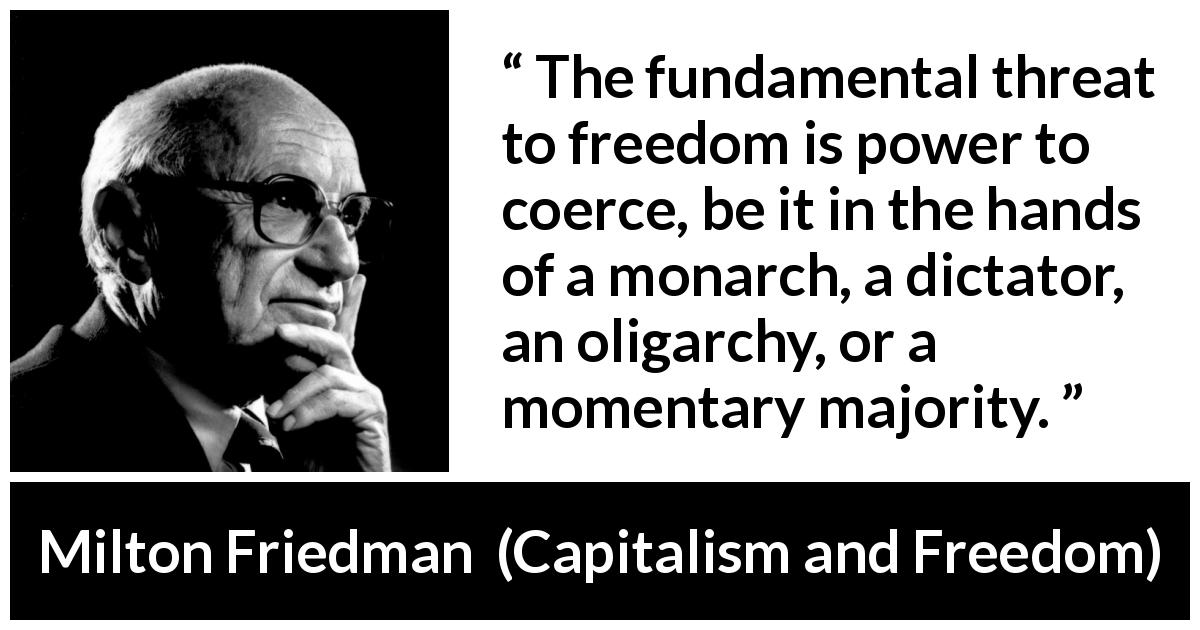
At the heart of Friedman’s philosophy is the belief that concentrated power—whether in government or corporate hands—poses the greatest danger to liberty. He argues that decentralized decision-making, particularly through free markets, diffuses power and prevents any single entity from dominating others. This idea resonates today, as debates over monopolies, regulatory overreach, and corporate influence continue to shape economic discourse.
Why Free Markets Outperform Central Planning
Friedman dismantles the argument that central planning can outperform free markets by highlighting the inefficiencies of top-down control. Markets, he contends, harness the dispersed knowledge and incentives of millions of individuals, leading to innovation and resource allocation that no bureaucratic system could replicate. This quote challenges the notion that governments can effectively manage complex economies without stifling growth and creativity.
The Necessity of Capitalism for Human Flourishing
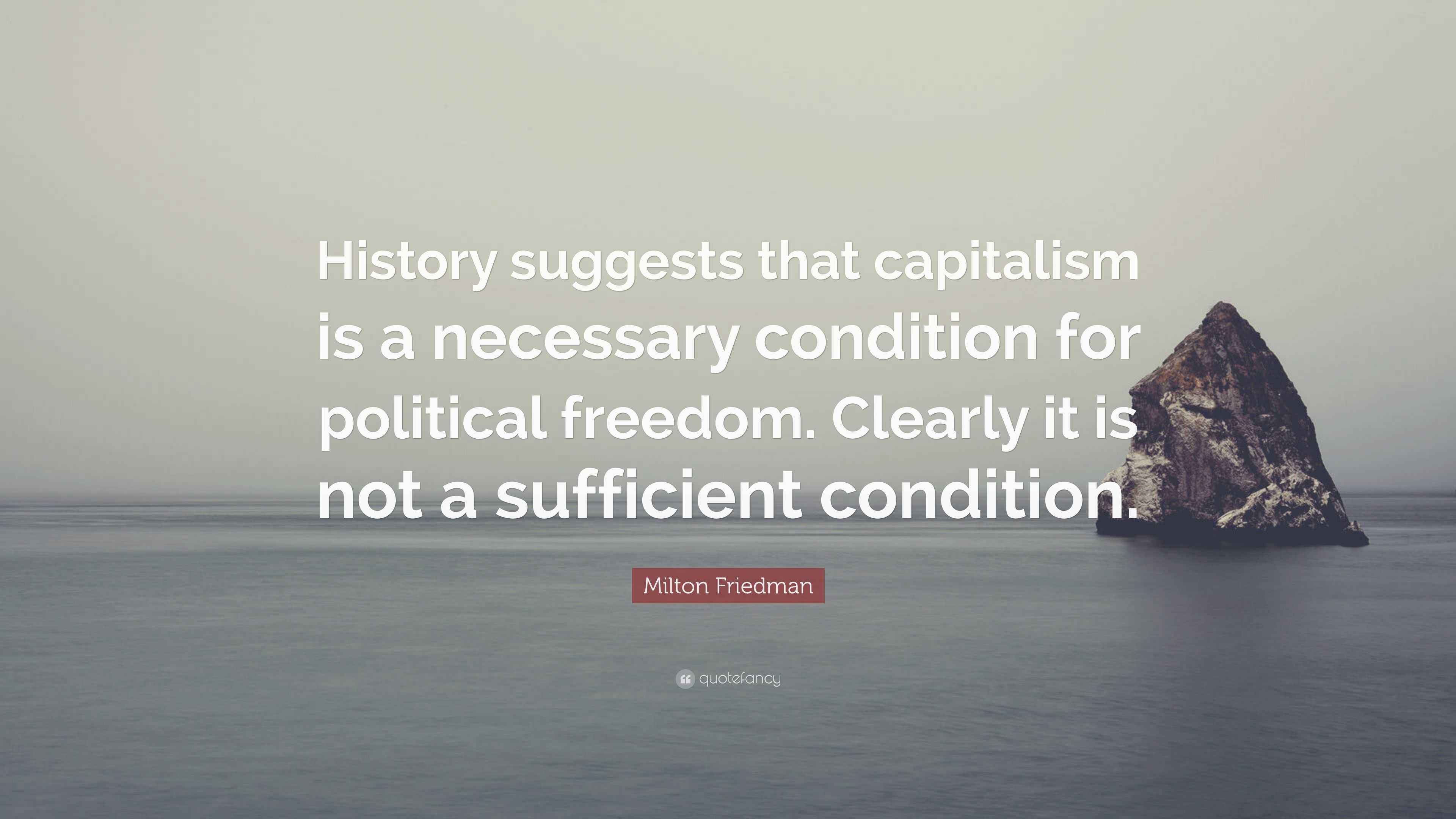
One of Friedman’s most compelling claims is that capitalism is not just an economic system but a prerequisite for political freedom. He traces the rise of democratic institutions in countries where free markets took root, arguing that economic liberty fosters the independence and self-reliance necessary for citizens to resist authoritarianism. This perspective invites reflection on how economic policies today either reinforce or undermine broader freedoms.
The Illusion of Government as a Solution

Friedman frequently critiques the assumption that government intervention is the default solution to societal problems. He warns that well-intentioned policies often produce unintended consequences, eroding personal responsibility and distorting incentives. Whether discussing education, healthcare, or welfare, he advocates for market-based alternatives that prioritize choice and competition over bureaucratic mandates.
On the Dangers of Inflation
Friedman’s work on monetary policy revolutionized how economists view inflation. He famously declared that “inflation is always and everywhere a monetary phenomenon,” emphasizing that excessive money supply growth, not supply shortages or labor costs, drives rising prices. His insights laid the groundwork for modern central banking practices and remain critical in understanding today’s inflationary pressures.
The Virtues of Voluntary Exchange
At the core of Friedman’s defense of free markets is the principle of voluntary exchange, where both parties benefit from a transaction by their own free will. Unlike coercive systems, markets rely on mutual consent, ensuring that resources flow to their most valued uses. This idea challenges the paternalistic view that elites know what’s best for society, instead placing trust in individuals to make their own choices.
Education and the Case for School Vouchers
Friedman’s advocacy for school vouchers remains one of his most controversial yet visionary proposals. He argued that government-run education systems stifle innovation and fail to meet diverse needs. By introducing competition through vouchers, parents gain the power to choose schools that align with their values and children’s needs, fostering a more dynamic and responsive educational landscape.
The Moral Case for Economic Freedom
Beyond its practical benefits, Friedman frames economic freedom as a moral imperative. He contends that coercion—whether by the state or private actors—violates the dignity of individuals and undermines their ability to pursue their own goals. Free markets, in his view, align with ethical principles by respecting autonomy, rewarding merit, and minimizing the use of force in human interactions.
Friedman’s Capitalism and Freedom is more than a economic treatise; it’s a manifesto for a society that values liberty above all else. These quotes remind us that the battle for free markets is not just about efficiency or growth—it’s about preserving the conditions that allow human flourishing to thrive. As we navigate today’s complex policy challenges, Friedman’s words offer a clarion call to defend the principles that have driven progress for centuries.