Stress is an inevitable part of life, yet its grip on our well-being often feels inescapable. Why do we struggle to shake off its weight, even after the initial threat has passed? The answer lies in the way our bodies process stress—not just as an event, but as a cycle that demands completion. Emily Nagoski’s insights in *Burnout* reveal that stress isn’t merely about the external pressures we face; it’s about how we respond to them and whether we allow our nervous systems to finish what they’ve started. These quotes from her work illuminate the hidden mechanics of stress and the transformative power of closing the loop.
The Myth of “Just Getting Over It”
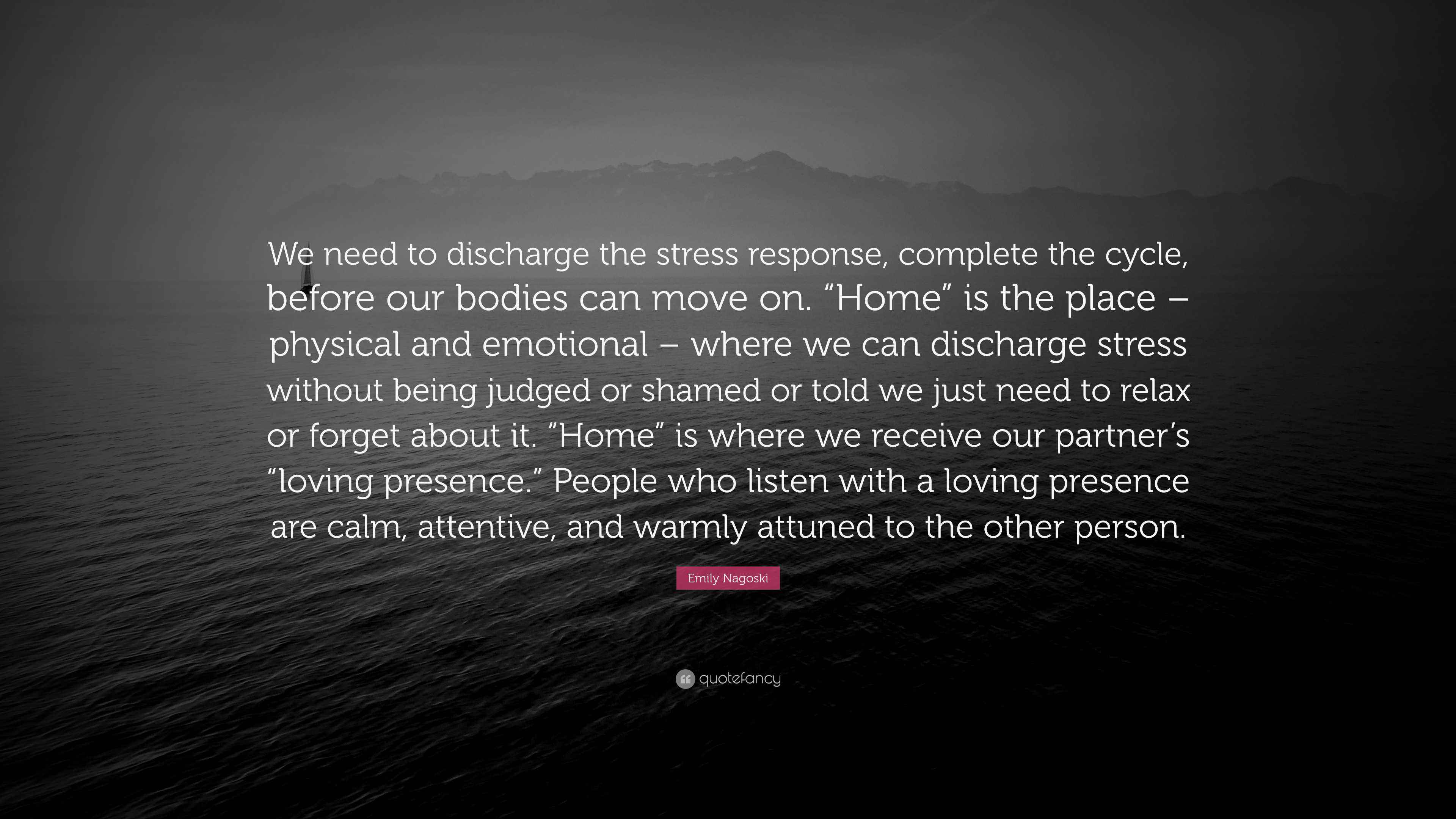
It’s tempting to believe that time alone will heal the wounds of stress. We assume that if we ignore it long enough, the discomfort will fade. But Nagoski’s work dismantles this illusion. Stress isn’t a temporary visitor; it’s a physiological event that leaves traces in our bodies until we actively complete the cycle. Whether through movement, laughter, or tears, the key to relief isn’t avoidance—it’s engagement. The body doesn’t just “get over” stress; it needs to process it fully to return to equilibrium.
Why Stress Lingers Like a Ghost

Ever notice how a single stressful day can haunt you for weeks? Nagoski explains that this isn’t just bad luck—it’s biology. When stress isn’t discharged, it doesn’t vanish; it gets stored, waiting for the next trigger to resurface. The body keeps score, and unresolved stress becomes a silent saboteur, eroding resilience over time. The solution isn’t to suppress stress but to recognize it as a signal that demands action—not just once, but consistently. Only then can we break the cycle of lingering tension.
The Power of Movement to Reset Your Nervous System
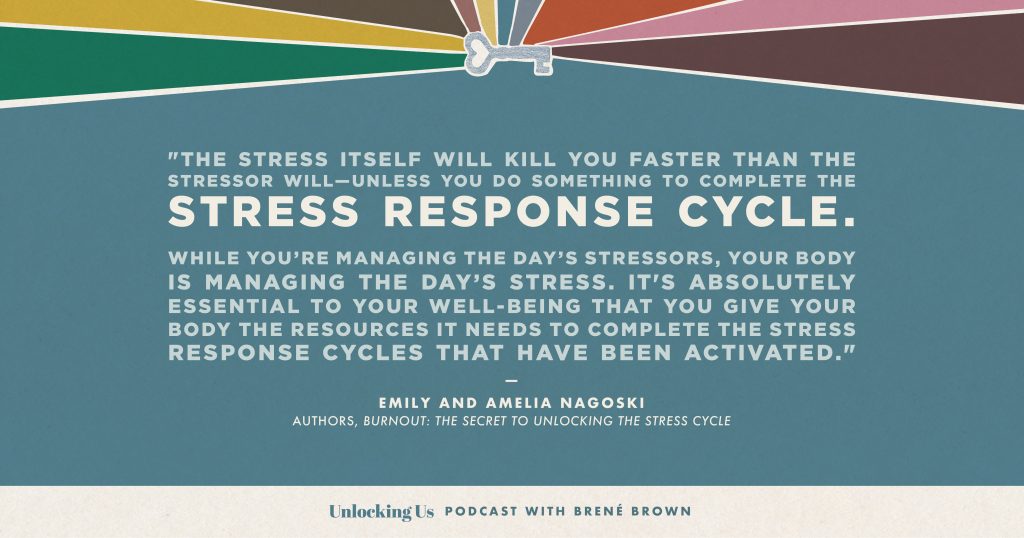
Exercise isn’t just about fitness—it’s a biological necessity for stress relief. Nagoski emphasizes that physical activity isn’t optional when it comes to completing the stress cycle. A brisk walk, a dance session, or even shaking out your limbs can signal to your brain that the threat is over. Movement tells your nervous system, “We’re safe now.” Without it, stress remains trapped in the body, manifesting as fatigue, irritability, or chronic tension. The next time stress feels overwhelming, consider it an invitation to move—not as punishment, but as a reset button.
Laughter as a Stress-Release Valve
Humor isn’t just a distraction from stress—it’s a direct line to relief. Nagoski highlights laughter as one of the most effective ways to discharge stress energy. When we laugh, our bodies release endorphins and relax muscles, counteracting the physical toll of stress. It’s not about forcing joy but allowing yourself to find moments of levity, even in difficult times. The next time stress tightens its grip, try watching a comedy, sharing a joke, or reminiscing about a funny memory. It’s a simple act with profound effects on your nervous system.
Why Tears Are Not a Sign of Weakness

Crying often gets a bad rap, dismissed as a loss of control or emotional fragility. Nagoski flips this narrative, framing tears as a vital part of the stress-completion process. Tears aren’t just an emotional release; they’re a physiological one. They help regulate the nervous system, lowering stress hormones and restoring balance. Suppressing tears doesn’t make stress disappear—it buries it deeper. The next time you feel the urge to cry, honor it. Your body is doing exactly what it needs to do to heal.