Bob Iger’s leadership at Disney transformed the company into one of the most iconic brands in the world. His insights on creativity, risk-taking, and brand loyalty offer timeless lessons for leaders in any industry. What makes Iger’s perspective so compelling is his ability to blend business acumen with a deep appreciation for storytelling and innovation. His words don’t just inspire; they reveal the secrets behind Disney’s enduring magic.
The Power of Brand Identity
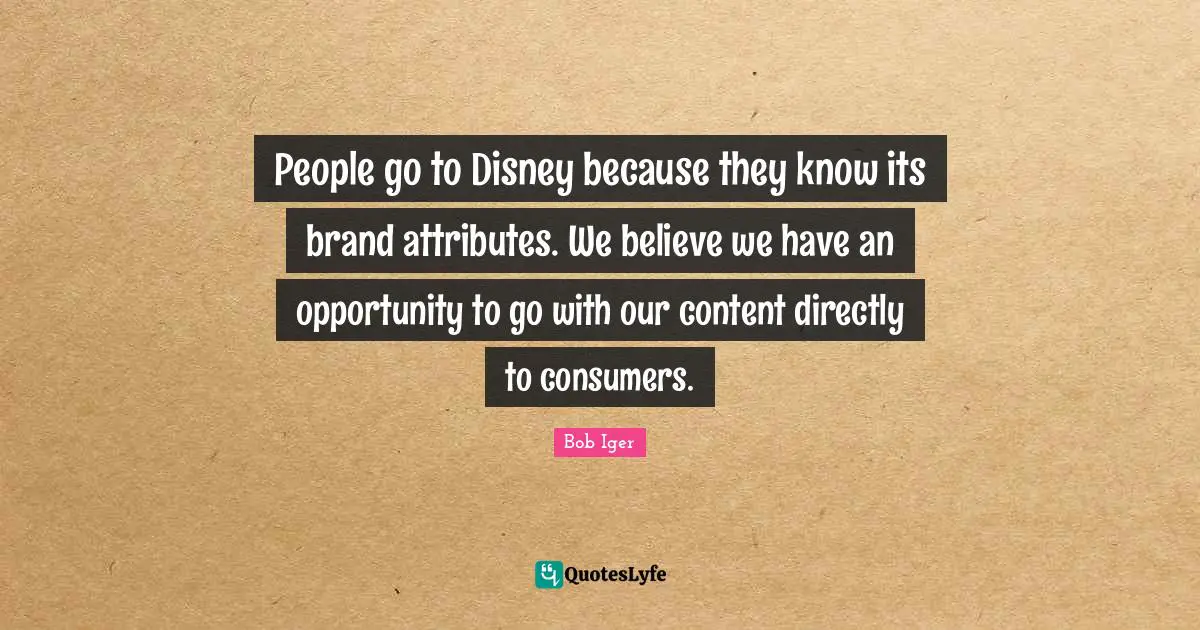
Disney’s success isn’t accidental—it’s built on a foundation of trust and consistency. Iger often emphasizes that people don’t just visit Disney parks or watch its movies; they invest in an experience they know they can rely on. This reliability fosters loyalty, turning casual visitors into lifelong fans. For leaders, this underscores the importance of defining and protecting a brand’s core values, ensuring every decision aligns with the identity customers have come to expect.
Leadership Through Trust and Delegation

Iger’s leadership style is rooted in trust. He believes that empowering teams to take ownership leads to greater innovation and accountability. By stepping back and allowing others to lead, he created an environment where creativity flourishes. This approach challenges the traditional top-down model, proving that true leadership isn’t about control but about enabling others to succeed. For organizations, this means fostering a culture where ideas can rise from any level, not just the executive suite.
The Courage to Take Risks

Risk-taking is a recurring theme in Iger’s philosophy. He famously acquired Pixar, Marvel, and Lucasfilm—moves that could have backfired but instead revitalized Disney. His willingness to bet on the unknown reflects a mindset that sees obstacles as opportunities. Leaders who shy away from risk often miss out on transformative growth. Iger’s career demonstrates that calculated boldness, paired with thorough research, can redefine an entire industry.
Innovation as a Continuous Journey

Disney’s legacy isn’t just about nostalgia; it’s about reinvention. Iger stresses that innovation isn’t a one-time event but a constant process. Whether it’s embracing streaming with Disney+ or reimagining theme park experiences, he shows that staying relevant requires adaptability. For businesses, this means embracing change rather than clinging to the past. The most successful leaders are those who see disruption not as a threat but as a chance to evolve.
The Role of Culture in Success

Behind every great company is a strong culture, and Iger attributes much of Disney’s resilience to its people. He prioritizes hiring leaders who embody the company’s values and then gives them the space to thrive. This focus on culture ensures that even as the company grows, its core principles remain intact. For organizations, this highlights the importance of aligning hiring practices with cultural goals—because talent isn’t just about skills; it’s about shared purpose.
Balancing Tradition and Progress
Iger’s tenure at Disney was marked by a delicate balance between honoring tradition and embracing progress. He expanded the company’s reach while staying true to its roots, proving that heritage and innovation aren’t mutually exclusive. Leaders today face a similar challenge: how to preserve what makes a brand special while pushing it forward. Iger’s approach suggests that the answer lies in understanding the brand’s essence and then finding creative ways to express it in new contexts.
The Importance of Storytelling
At its heart, Disney is a storytelling company, and Iger’s leadership reflects this. He understands that great stories resonate because they connect emotionally. Whether it’s a movie, a theme park experience, or a business strategy, the ability to craft a compelling narrative is what drives engagement. For leaders, this means recognizing that every decision—from product development to customer interactions—should tell a story that inspires and unites.
Leaving a Lasting Legacy
Iger’s tenure at Disney wasn’t just about financial success; it was about leaving a legacy. He transformed the company into a global powerhouse while maintaining its soul. His emphasis on long-term thinking over short-term gains offers a blueprint for leaders who want to build something enduring. In an era where quarterly profits often dictate decisions, Iger’s career is a reminder that true leadership is measured in decades, not quarters.