Have you ever wondered how memory and motherhood intertwine in Toni Morrison’s Beloved? The novel doesn’t just tell a story—it haunts you with its raw, unflinching exploration of love, loss, and the ghosts of the past. Sethe, the protagonist, carries the weight of her choices like a second skin, while the specter of Beloved forces her to confront the inescapable ties of motherhood. If you think motherhood is all sunshine and lullabies, Morrison’s words might just shatter that illusion. Ready to dive into the unsettling beauty of these themes? Here are 10 quotes that cut straight to the heart of memory and motherhood in Beloved.
Memory: The Ghost That Won’t Let Go
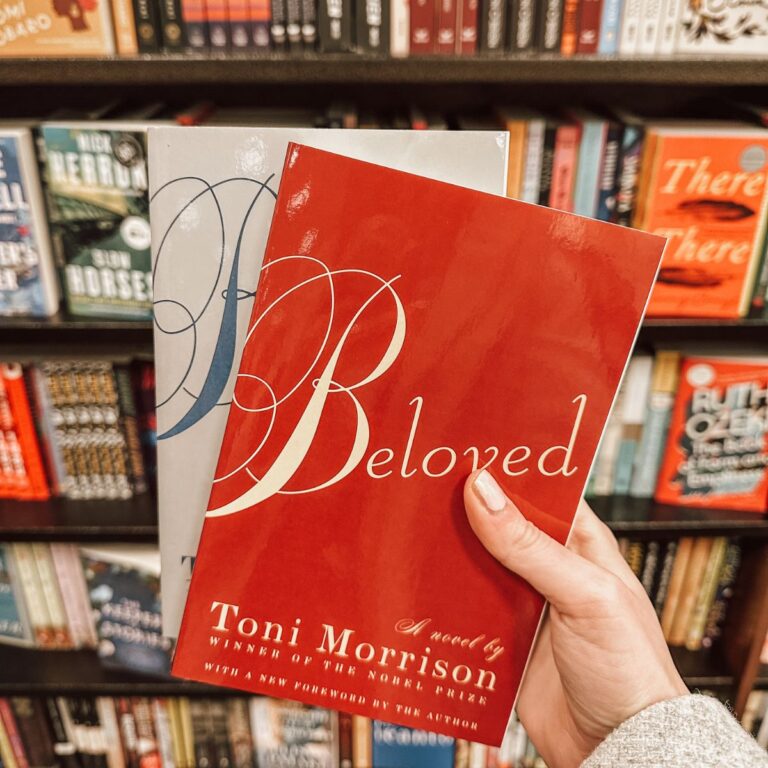
Memory in Beloved isn’t just a tool—it’s a weapon. Morrison writes, “The future was a matter of keeping the past at bay.” Sethe’s past isn’t just a story; it’s a living, breathing entity that refuses to stay buried. Every scar, every whispered word, every stolen breath lingers like a shadow. The past isn’t a place you visit—it’s a place that visits you, especially when you least expect it. And in Sethe’s case, it’s a place that never stops knocking.
Motherhood: Love That Knows No Bounds
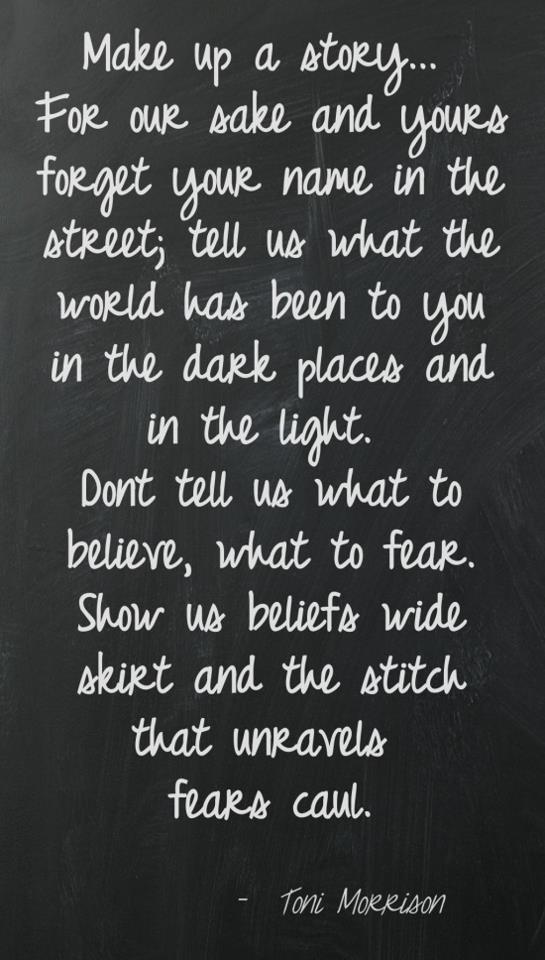
Motherhood in Beloved is a double-edged sword—it’s both salvation and destruction. Morrison captures this dichotomy perfectly: “She was my daughter. The one I managed to have out of all the rest.” Sethe’s love for her children is fierce, almost feral, but it’s also a love that’s been twisted by trauma. The line between protection and possession blurs when survival is at stake. How far would you go to shield your child from the horrors you’ve endured? Morrison doesn’t just ask the question—she forces you to answer it.
The Weight of Choices: A Mother’s Burden
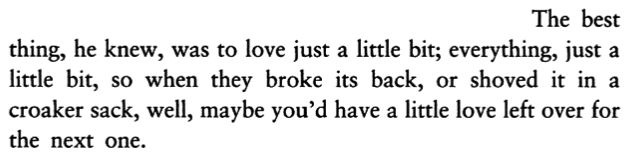
Sethe’s infamous act of infanticide isn’t just a plot point—it’s a gut-wrenching testament to the extremes of motherhood. Morrison writes, “I took and put my babies where they’d be safe.” Safe from what? Safe from the world that would tear them apart, safe from the chains that would bind them, safe from the very history that Sethe herself couldn’t escape. The choice to end her child’s life is framed as an act of love, but it’s a love that leaves scars deeper than any whip. Can love ever justify such pain? Morrison doesn’t offer easy answers.
The Past That Won’t Stay Dead

Beloved isn’t just a ghost—she’s the embodiment of Sethe’s guilt, her grief, and her unresolved past. Morrison describes her as “a fully dressed woman walked out of the water.” This isn’t just a ghost story; it’s a story about the past refusing to stay buried. Beloved’s return forces Sethe to confront the choices she made, the people she lost, and the love that both saved and destroyed her. The past isn’t a distant memory—it’s a living, breathing presence that demands to be acknowledged.
Love That Transcends Time
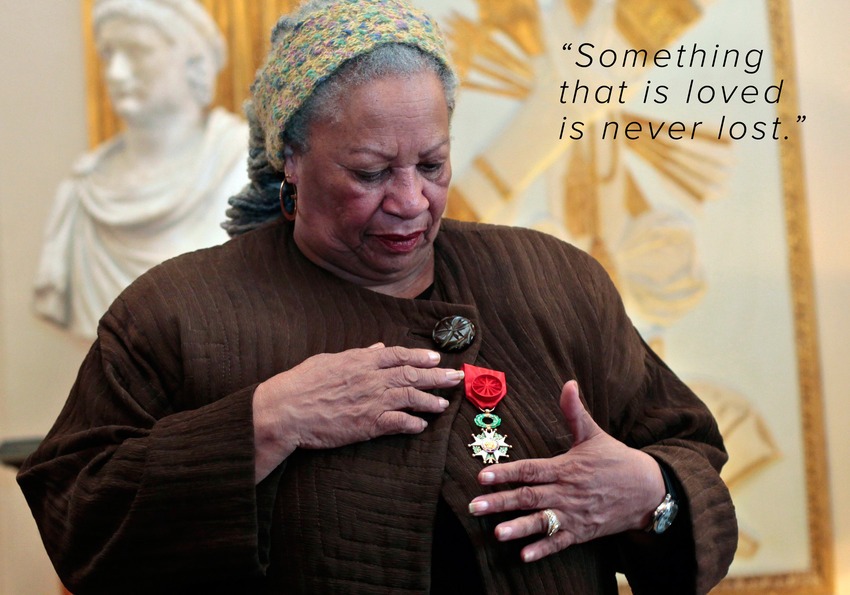
Despite everything, Sethe’s love for her children endures. Morrison writes, “You your best thing, Sethe.” This line isn’t just a reassurance—it’s a revelation. In a world that has tried to strip her of her humanity, Sethe’s love for herself and her children is her greatest act of defiance. It’s a reminder that even in the darkest of times, love persists. But it’s also a challenge: if you’re not your own best thing, who is?