Few literary figures have left as indelible a mark on the collective imagination as Atticus Finch. His quiet strength, unwavering moral compass, and profound understanding of conscience have made him a timeless symbol of integrity. Through his words and actions in Harper Lee’s To Kill a Mockingbird, Atticus offers insights that resonate far beyond the pages of fiction. His reflections on conscience are particularly striking, revealing not just a man of principle but a philosopher of human nature. These quotes remind us that conscience is not merely a set of rules but a living, breathing guide that shapes our choices and defines our character.
The Courage to Stand Alone

Atticus often speaks of the necessity of standing by one’s beliefs, even when the world disagrees. His famous line, “The one place where a man ought to get a square deal is in a courtroom, be he any color of the rainbow, but people have a way of carrying their resentments right into a jury box,” underscores the tension between justice and prejudice. This quote highlights how conscience demands action, even when it isolates us from others. Atticus doesn’t just believe in fairness; he lives it, proving that true integrity is measured by what we do when no one is watching.
Conscience as a Personal Compass

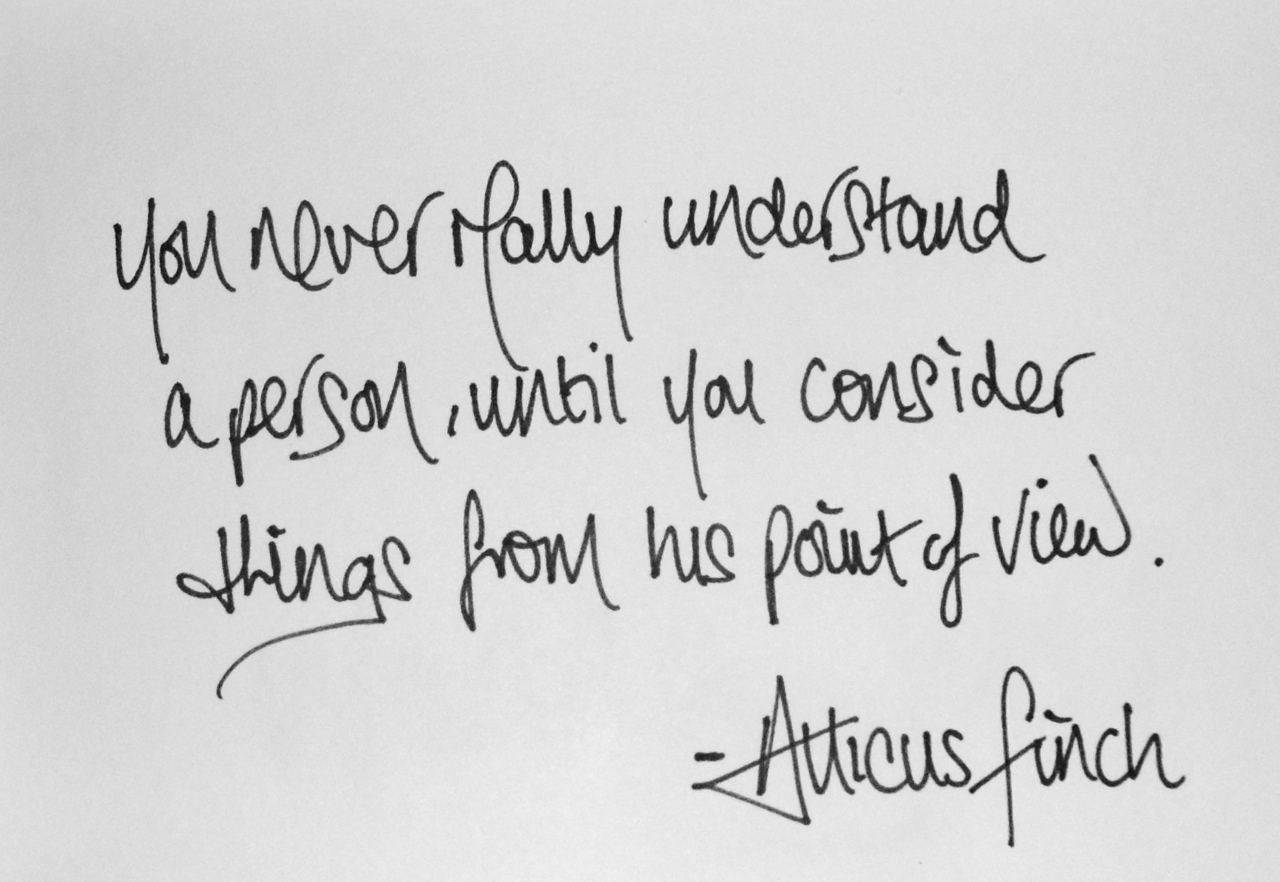
For Atticus, conscience isn’t an external force but an internal guide. He famously tells Scout, “You never really understand a person until you consider things from his point of view… until you climb into his skin and walk around in it.” This idea extends beyond empathy; it suggests that conscience is deeply personal. It requires us to reflect, to question, and to see the world through multiple lenses. Atticus’s words challenge us to move beyond surface judgments and to engage with the complexities of human experience—a lesson that remains vital in an era of instant opinions and polarized perspectives.
The Weight of Moral Responsibility
Atticus’s understanding of conscience is inseparable from his sense of duty. He accepts the defense of Tom Robinson not out of obligation but because it aligns with his deepest values. “Before I can live with other folks, I’ve got to live with myself,” he says, revealing that conscience is the foundation of self-respect. This quote speaks to the quiet strength required to live authentically. Atticus doesn’t seek praise or applause; he seeks peace with his own conscience, knowing that true fulfillment comes from aligning actions with beliefs. It’s a reminder that morality isn’t about perfection but about the courage to strive for it.
Conscience in the Face of Injustice
Perhaps the most powerful aspect of Atticus’s conscience is his refusal to compromise in the face of systemic injustice. His statement, “The handful of people in this town who say that fair play is not marked White Only; the handful of people who say a fair trial is for everybody, not just us,” captures the essence of moral defiance. Conscience, for Atticus, isn’t passive; it’s a call to action. He doesn’t just acknowledge injustice—he confronts it, even when the odds are stacked against him. This teaches us that conscience isn’t a luxury; it’s a necessity, especially when the world tries to normalize cruelty.
The Legacy of a Conscience-Driven Life

Atticus’s greatest lesson may be that conscience is a legacy. His children, Scout and Jem, learn from his example that integrity is a daily practice. “Shoot all the bluejays you want, if you can hit ‘em, but remember it’s a sin to kill a mockingbird,” he tells them. This metaphor extends beyond the literal; it’s a lesson in protecting the innocent and valuing what is pure. Atticus’s conscience isn’t just his own—it’s a gift he passes down, showing that the fight for justice and morality is a lifelong commitment. His words remind us that the choices we make today ripple through time, shaping not just our lives but the world we leave behind.