Aristotle, the ancient Greek philosopher, left behind a legacy of wisdom that continues to shape modern thought. His ideas on ethics, politics, and human nature remain subjects of lively debate, proving that his insights are as relevant today as they were over two thousand years ago. From the nature of happiness to the complexities of justice, Aristotle’s words challenge us to think deeply about the world and our place in it. Below, we explore ten of his most intriguing quotes—each a metaphorical key unlocking doors to enduring philosophical puzzles.
The Nature of Happiness: A Journey, Not a Destination
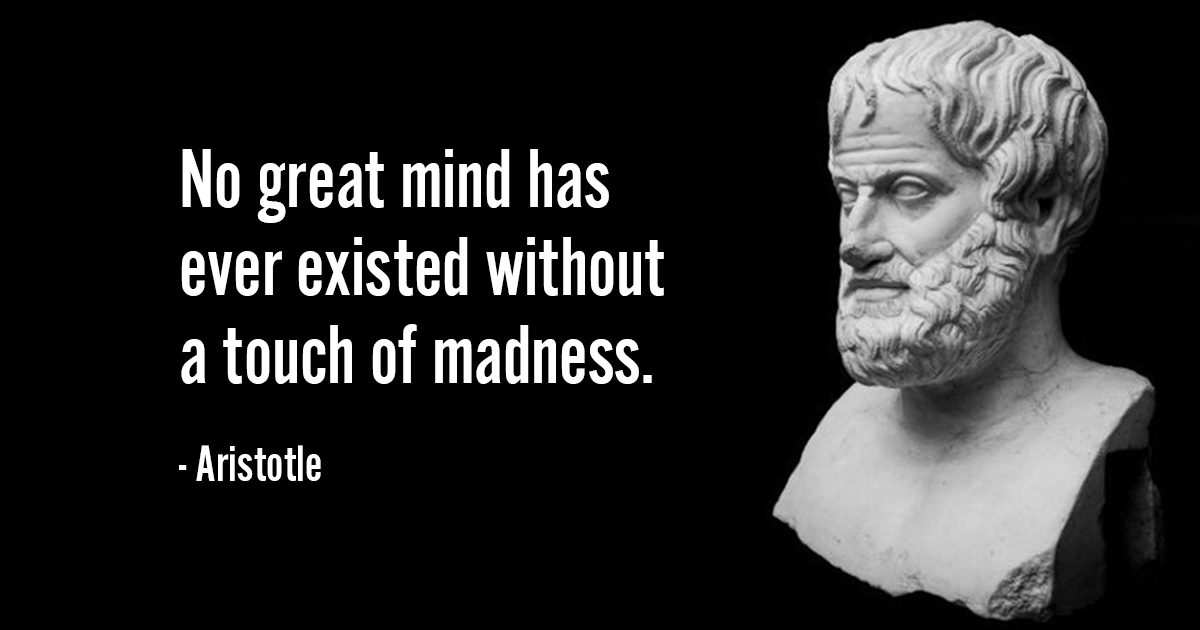
Aristotle famously declared that “happiness is the meaning and the purpose of life, the whole aim and end of human existence.” But this isn’t the fleeting joy of a momentary smile—it’s the enduring fulfillment of a life well-lived. Imagine happiness as a garden: it requires constant tending, patience, and the right conditions to flourish. Unlike pleasure, which flickers like a candle in the wind, true happiness is a cultivated masterpiece, built through virtue and purpose. Yet, what does this garden look like in a world obsessed with instant gratification? Aristotle’s words urge us to ask: Are we planting the seeds of lasting joy, or merely chasing the next bright distraction?
Virtue: The Golden Mean Between Excess and Deficiency
“Virtue is a mean between two vices, one of excess and one of deficiency.” This idea, known as the Golden Mean, is Aristotle’s blueprint for moral living. Picture a tightrope walker balancing between arrogance and self-deprecation, or generosity teetering between wastefulness and stinginess. The challenge? The mean isn’t a fixed point but a dynamic equilibrium, shifting with context and intention. In a world of extremes—where outrage and apathy often dominate—Aristotle’s metaphor reminds us that wisdom lies in the delicate art of moderation. But how do we find that balance when the world pulls us toward polarities? The answer may lie not in rigid rules, but in the wisdom of discernment.
The Polis: Where Citizens Shape Their Own Destiny

Aristotle saw the *polis*—the city-state—as the natural habitat of human flourishing. “Man is by nature a political animal,” he wrote, suggesting that our highest potential is realized not in isolation, but in community. The polis isn’t just a collection of buildings; it’s a living organism where citizens engage in dialogue, debate, and collective decision-making. Yet today, as polarization fractures societies and digital echo chambers replace town squares, Aristotle’s vision feels both radical and urgent. Can democracy thrive when citizens retreat into ideological bunkers? His words challenge us to ask: What kind of community are we building, and are we active participants in its evolution?
Friendship: The Mirror of the Soul

For Aristotle, friendship wasn’t just a pleasant social accessory—it was the cornerstone of a meaningful life. He categorized friendships into three types: those based on utility, those rooted in pleasure, and those forged in virtue. The first two are fleeting, like a cup of coffee shared with a colleague or a laugh with an old friend. But the third? That’s the friendship of souls, where two people uplift each other toward excellence. In an era where social media offers thousands of “friends” but often leaves us feeling profoundly alone, Aristotle’s distinction feels prophetic. How many of our connections are transactional, and how many are transformative? The answer might reveal the depth of our own character.
The Unmoved Mover: The Silent Architect of Motion

“The unmoved mover moves other things by being loved,” Aristotle mused, conjuring an image of a divine force that sets the universe in motion without itself being moved. Think of it as the first domino in an infinite chain, or a silent conductor guiding the orchestra without playing a note. This idea—later echoed in Christian theology—posits that all change originates from a single, eternal source of pure potential. But what does this mean for a world governed by science and empirical evidence? Aristotle’s metaphor invites us to ponder the invisible threads that weave through existence, asking whether purpose and motion are products of design or mere cosmic coincidence.
Education: The Sculpting of the Soul
“Educating the mind without educating the heart is no education at all,” Aristotle asserted, framing learning as a holistic endeavor. Education isn’t just the accumulation of facts; it’s the sculpting of character, the refinement of desires, and the cultivation of virtue. Imagine the mind as a block of marble, and education as the chisel that reveals the statue within. But in a world where standardized tests and vocational training often overshadow the arts and ethics, Aristotle’s vision feels radical. What if schools prioritized wisdom over data, and virtue over job readiness? His words challenge us to redefine success and ask: Are we educating students, or merely training them?
Justice: The Geometric Proportion of Society
Aristotle’s take on justice was refreshingly nuanced: “Justice is a matter of proportion.” Unlike the blunt instrument of equality, he argued that justice must account for merit, need, and context. Picture a banquet where portions are divided not equally, but according to each guest’s hunger and contribution. This idea—known as proportional justice—challenges modern debates about fairness, from taxation to affirmative action. In a society obsessed with “level playing fields,” Aristotle’s metaphor forces us to confront uncomfortable questions: Can justice ever be truly blind, or must it always see the nuances of human difference?
Poetry and Catharsis: The Alchemy of Emotion
Aristotle’s *Poetics* introduced the world to catharsis—the idea that art, particularly tragedy, purges the soul of destructive emotions. Imagine sitting in a theater, watching a hero’s downfall, and feeling a strange mix of pity and fear—only to emerge lighter, cleansed. This alchemy of emotion suggests that art isn’t just entertainment; it’s a form of emotional hygiene. In an age where algorithms feed us outrage and despair, Aristotle’s insight feels like a lifeline. What if we treated art not as a distraction, but as a necessary ritual for the human spirit?
The Final Cause: Why Things Exist
Aristotle’s “four causes” included material, formal, efficient, and final causes—the latter being the “why” behind existence. A seed’s final cause, for example, is to become a tree. This teleological view suggests that everything in nature has an inherent purpose. But in a post-Darwinian world, where randomness and survival often overshadow design, Aristotle’s idea feels both poetic and provocative. What if purpose isn’t just a human invention, but a fundamental force of the universe? His metaphor challenges us to look beyond the “how” and ask: What is the “why” of our own lives?