Antonin Scalia, one of the most influential Supreme Court justices in modern history, left behind a legacy of legal philosophy that continues to shape constitutional interpretation. At the heart of his judicial philosophy was originalism—the belief that the Constitution should be interpreted as it was understood at the time of its ratification. Scalia’s sharp intellect and unapologetic stance on originalism challenged conventional legal thinking, offering a fresh lens through which to view the law. His words, both in rulings and public speeches, remain a rallying cry for those who advocate for a strict adherence to the Constitution’s original meaning. Below, we explore ten of his most thought-provoking quotes on originalism, each one a testament to his unwavering commitment to the text.
The Constitution’s Meaning Doesn’t Evolve—It Endures

Scalia firmly rejected the idea that the Constitution is a living, breathing document that adapts to modern sensibilities. To him, the text’s meaning is fixed, and any deviation from its original understanding undermines the very foundation of the rule of law. This quote underscores his belief that power must remain dispersed to prevent corruption—a principle that extends to the judiciary’s role in interpreting the Constitution. For Scalia, the Founders’ intent was not a suggestion but a binding contract with future generations.
Originalism Isn’t About Personal Preferences—It’s About the Text

One of Scalia’s most compelling arguments for originalism was that judges should not impose their own policy preferences under the guise of constitutional interpretation. This quote highlights his view that the judiciary’s role is limited to enforcing the Constitution as written, not to correct perceived flaws in legislation. By separating constitutional questions from policy debates, Scalia advocated for a judicial philosophy that prioritizes the text over personal or political agendas—a stance that continues to resonate in legal circles today.
The Framers’ Wisdom Outlasts Modern Convenience
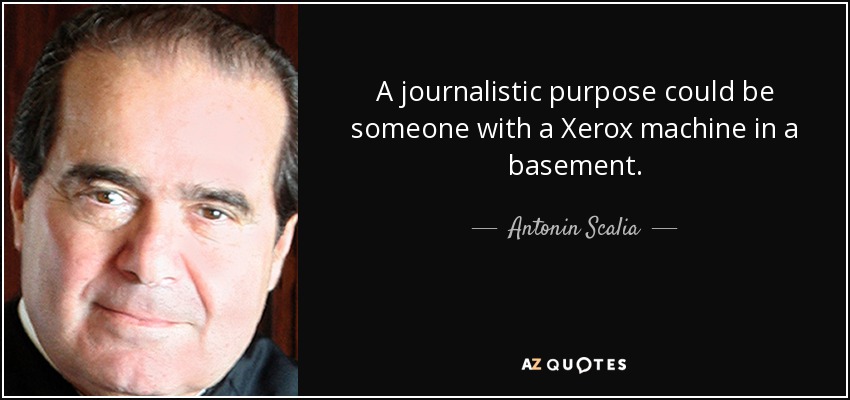
Scalia often pushed back against the notion that the Constitution should be reinterpreted to accommodate contemporary challenges. His sharp wit and blunt delivery made his point clear: the Framers crafted a document designed to endure, not to be reshaped by each generation’s whims. This quote, though delivered in a more casual context, encapsulates his broader argument that the Constitution’s durability is its greatest strength. For Scalia, originalism wasn’t a rigid dogma but a practical approach to preserving the Founders’ vision in an ever-changing world.
Judges Are Umpires, Not Players
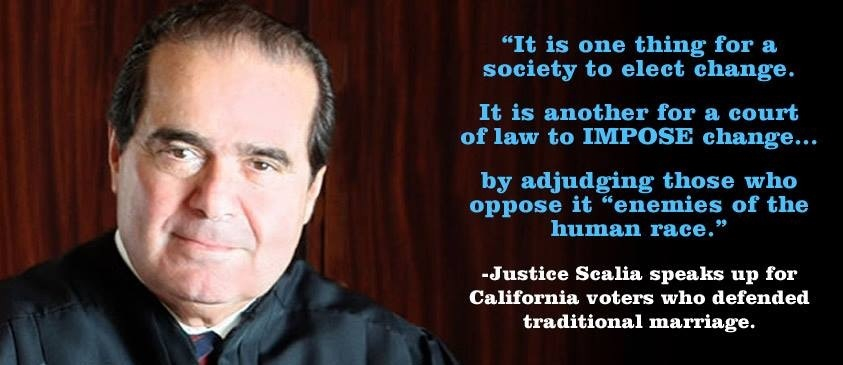
Scalia frequently compared judges to umpires in a baseball game—bound by the rules and not permitted to impose their own interpretations. This analogy underscores his belief that judicial restraint is essential to maintaining the separation of powers. A judge who allows personal preferences to influence rulings, Scalia argued, undermines the legitimacy of the legal system. His emphasis on impartiality serves as a reminder that the law, not individual judges, should dictate outcomes.
The Constitution’s Original Meaning Is the Ultimate Authority

Scalia’s skepticism toward judicial activism was rooted in his conviction that the Constitution’s original meaning is the only valid authority. This quote, delivered with his characteristic dry humor, highlights his view that sophisticated legal reasoning should align with the text’s plain meaning, not abstract theories. For Scalia, the separation of powers—a cornerstone of the Constitution—was not a flexible concept but a strict framework designed to prevent tyranny. His words challenge readers to reconsider whether modern judicial practices truly honor the Founders’ intent.
Originalism Prevents Judicial Overreach
Scalia warned that judges who interpret the Constitution based on contemporary values risk overstepping their constitutional authority. By adhering to originalism, he argued, the judiciary avoids becoming a super-legislature, where unelected officials impose their policy preferences. This approach, he believed, preserves democratic accountability and ensures that changes to the law come from the people’s elected representatives, not from the bench. For Scalia, judicial humility was not just a virtue but a necessity.
The Constitution Is Not a Blank Check
One of Scalia’s most enduring critiques of loose constitutional interpretation was that it turns the document into a blank check for judges to rewrite the law. Originalism, in his view, prevents this by anchoring judicial decisions to the text’s original understanding. This perspective forces judges to confront the limits of their power and to recognize that the Constitution’s meaning is not theirs to redefine. Scalia’s insistence on textual fidelity serves as a safeguard against judicial overreach and a bulwark for the rule of law.
Originalism Respects the Framers’ Intent
For Scalia, originalism was not just a legal theory but a moral obligation—to respect the Framers’ intent and the ratifiers who gave the Constitution its authority. He argued that ignoring the original meaning would amount to a betrayal of the democratic process that created the Constitution. By interpreting the text as it was understood at the time of its adoption, Scalia believed, judges honor the social contract between the government and the people. This commitment to historical fidelity sets originalism apart from other interpretive methods.
The Constitution’s Genius Lies in Its Clarity
Scalia often marveled at the Constitution’s clarity and foresight, attributes he attributed to the Framers’ wisdom. Originalism, in his view, allows this clarity to shine by preventing judges from obscuring the text with subjective interpretations. He believed that the Constitution’s enduring relevance stems from its precise language, which was crafted to guide future generations. For Scalia, the document’s genius was not in its ambiguity but in its ability to provide clear answers to legal questions when interpreted correctly.
Originalism Is the Path to a More Just Legal System
Ultimately, Scalia saw originalism as the surest path to a legal system that is fair, predictable, and accountable. By tying judicial decisions to the Constitution’s original meaning, originalism minimizes the influence of personal biases and ensures that the law remains stable and consistent. Scalia’s unwavering commitment to this philosophy challenges us to reconsider how we view the Constitution—not as a malleable document, but as a timeless covenant that binds us to the principles of liberty and justice. His words invite us to embrace a legal tradition that prioritizes the text over the whims of the moment.