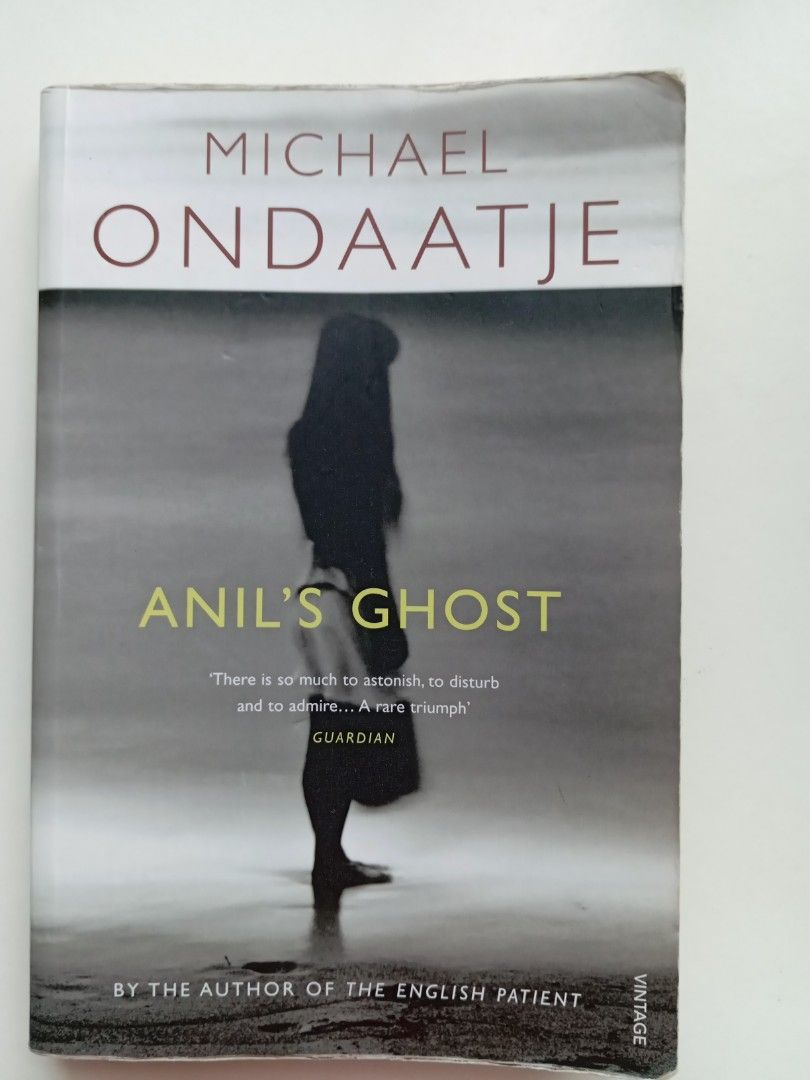
War leaves scars that run deeper than the battlefield—it carves into memory, identity, and the very fabric of truth. Michael Ondaatje’s Anil’s Ghost navigates these wounds through the lens of forensics, where bones whisper secrets and the past refuses to stay buried. The novel follows Anil Tissera, a forensic anthropologist returning to her war-torn homeland, Sri Lanka, to uncover the truth behind a series of mysterious skeletons. What unfolds is a haunting meditation on violence, justice, and the fragile line between history and myth. These quotes from the book peel back layers of its narrative, revealing how war distorts reality and how forensics becomes a desperate act of reclaiming it.
The Weight of Bones: Forensics as a Language of the Dead

Forensic work in Anil’s Ghost is more than science—it’s an act of translation. The bones Anil examines are not just evidence; they are silent witnesses to atrocities, their fractures and discolorations telling stories of torture, execution, and erasure. One of the novel’s most chilling lines captures this: *”The bones remembered.”* This idea lingers long after the reading, a reminder that the dead do not stay silent. Forensics, in Ondaatje’s hands, becomes a way to listen to the unheard, to give voice to those whose stories were buried with them.
War’s Erasure: The Invisibility of Violence
Ondaatje doesn’t shy away from depicting the banality of war’s destruction. The novel’s Sri Lanka is a place where violence has become so routine that it fades into the background, where bodies are discovered but forgotten, where truth is a casualty of indifference. A stark observation in the book underscores this: *”The war had made everyone blind in a different way.”* This blindness isn’t just physical—it’s a collective refusal to see, a numbing to the horrors unfolding in plain sight. The forensic work Anil undertakes is an attempt to pierce through this fog, to force a confrontation with what society has chosen to ignore.
The Body as a Site of Memory

The human body in Anil’s Ghost is a palimpsest, layered with the marks of history. Ondaatje uses forensic details to explore how trauma etches itself into flesh, how a single skeleton can hold the key to a nation’s unraveling. One poignant moment reflects this: *”A body is a message, an entire coded history.”* The novel suggests that healing begins when we learn to read these codes—not just as medical facts, but as narratives of survival and loss. For Anil, this decoding is both a professional duty and a personal reckoning, a way to reconcile with her own fractured past.
The Illusion of Neutrality in Forensic Work
Forensics is often framed as objective, a science untouched by bias. But Anil’s Ghost dismantles this illusion. Anil’s work is constantly politicized, her findings manipulated by those in power who seek to control the narrative of the war. A telling line captures this tension: *”The truth was a shape-shifter.”* This idea resonates beyond the novel’s pages, challenging the reader to question who gets to define truth in a conflict zone. Ondaatje forces us to confront the uncomfortable reality that even the most precise science is subject to the agendas of those wielding it.
The Ghosts We Carry: Personal and National Trauma
Anil’s journey is as much about her own ghosts as it is about the country’s. The novel weaves her personal history—her exile, her detachment, her fragmented identity—into the broader tapestry of Sri Lanka’s civil war. A line that lingers is: *”She had come back to find a body, but she was the one who was lost.”* This duality speaks to the universal experience of those returning to places of pain, whether literal or emotional. Ondaatje suggests that the work of forensics, in its rawest form, is also an excavation of the self—a search for pieces of a past that refuse to stay buried.