Ever wondered what the man who literally gave the Americas its name had to say about the New World? Amerigo Vespucci wasn’t just an explorer—he was a storyteller, a dreamer, and, if his words are any indication, a man who saw both wonder and strangeness in the lands he encountered. His quotes offer a glimpse into a time when the world was expanding faster than a mapmaker’s ink could keep up. So, let’s dive into 10 quotes that reveal his thoughts on the New World—some profound, some puzzling, and all fascinating.
“The manner of their living is very barbarous”
Vespucci’s observations often reflected the European perspective of his time, and this quote is no exception. He marveled at the indigenous peoples’ customs, which seemed alien to him—like eating whenever hunger struck rather than at set times. While his wording might raise eyebrows today, it’s a reminder of how cultural norms shape our perceptions of the world.
“I found a very great quantity of gold”
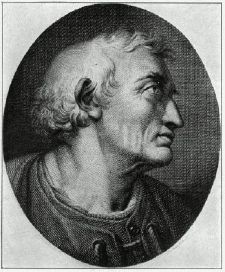
Gold was the ultimate treasure for explorers, and Vespucci wasn’t shy about his finds. His accounts of vast quantities of gold in the New World fueled the imaginations of European powers and set off a frenzy of exploration. But was it all hype, or did he truly stumble upon riches beyond his wildest dreams? The answer might surprise you.
“The air is so temperate that it is neither hot nor cold”
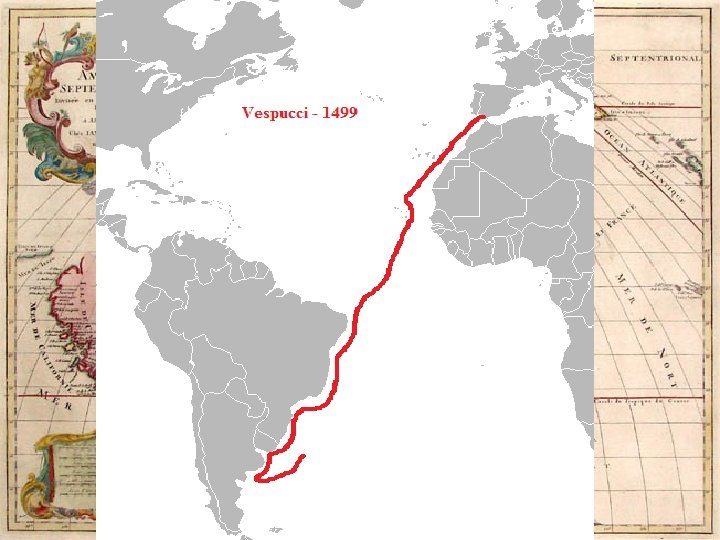
Vespucci’s descriptions of the New World’s climate were almost poetic. He painted a picture of lands where the air was perfectly balanced—never too hot, never too cold. For someone used to the extremes of Europe, this must have felt like stepping into paradise. But was his assessment accurate, or was he just dazzled by the novelty of it all?
“They are not accustomed to wear clothes”

This quote highlights the stark contrast between European and indigenous cultures. Vespucci was struck by the lack of clothing among native peoples, a detail that fascinated—and perhaps unsettled—him. Today, we see it as a reflection of cultural diversity, but in his era, it was often judged through a lens of “civilization” versus “savagery.”
“The people are very gentle and kind”

Not all of Vespucci’s observations were critical or dismissive. He also noted the kindness and gentleness of the indigenous peoples he encountered. This duality in his writings—both admiration and judgment—shows the complexity of his perspective. Were these people truly gentle, or was he projecting his own ideals onto them?
“The land is so fertile that it produces everything in abundance”
Vespucci’s descriptions of the New World’s fertility were a siren call for settlers and colonizers. He painted a picture of lands so rich that crops grew effortlessly, a stark contrast to the often-harsh conditions of Europe. But was this abundance real, or was it exaggerated to lure more people across the Atlantic?
“They have no knowledge of weapons or warfare”
This quote reveals Vespucci’s assumption that the indigenous peoples were peaceful and unprepared for conflict. While some groups were indeed non-violent, others had complex societies with their own forms of warfare. Vespucci’s words reflect the European bias of the time, which often underestimated the sophistication of native cultures.
“The stars in the sky are different from those in Europe”
Vespucci’s astronomical observations were groundbreaking. He noticed that the constellations in the Southern Hemisphere were entirely different from those in Europe. This was a revelation that expanded humanity’s understanding of the cosmos. But how did this discovery shape the way Europeans viewed the New World?
“The people here are very superstitious”
Superstition was a common European critique of indigenous cultures, and Vespucci was no exception. He saw their beliefs as primitive, a stark contrast to the “enlightened” European worldview. But who was really more superstitious—the people who saw magic in nature or those who saw only empty skies?
“I am certain that this is a new world”
Vespucci’s most famous claim was that he had discovered a new world, not just a route to Asia. This declaration changed history forever, giving the Americas their name and reshaping global geography. But was he the first to realize this, or was he building on the work of others?