


What if the most revolutionary words in early American history were penned not by a president, general, or philosopher—but by a woman writing to her husband from the quiet of her home? Abigail Adams, the First Lady of the United States and a sharp-witted observer of her time, famously urged John Adams in 1776 to “Remember the Ladies” when drafting the new nation’s laws. Her plea wasn’t just a polite suggestion—it was a radical call for equality, justice, and recognition in a world that too often overlooked women’s voices. Over two centuries later, her words still echo, challenging us to ask: Are we truly remembering the ladies today?
“Remember the Ladies”—A Challenge That Still Stands
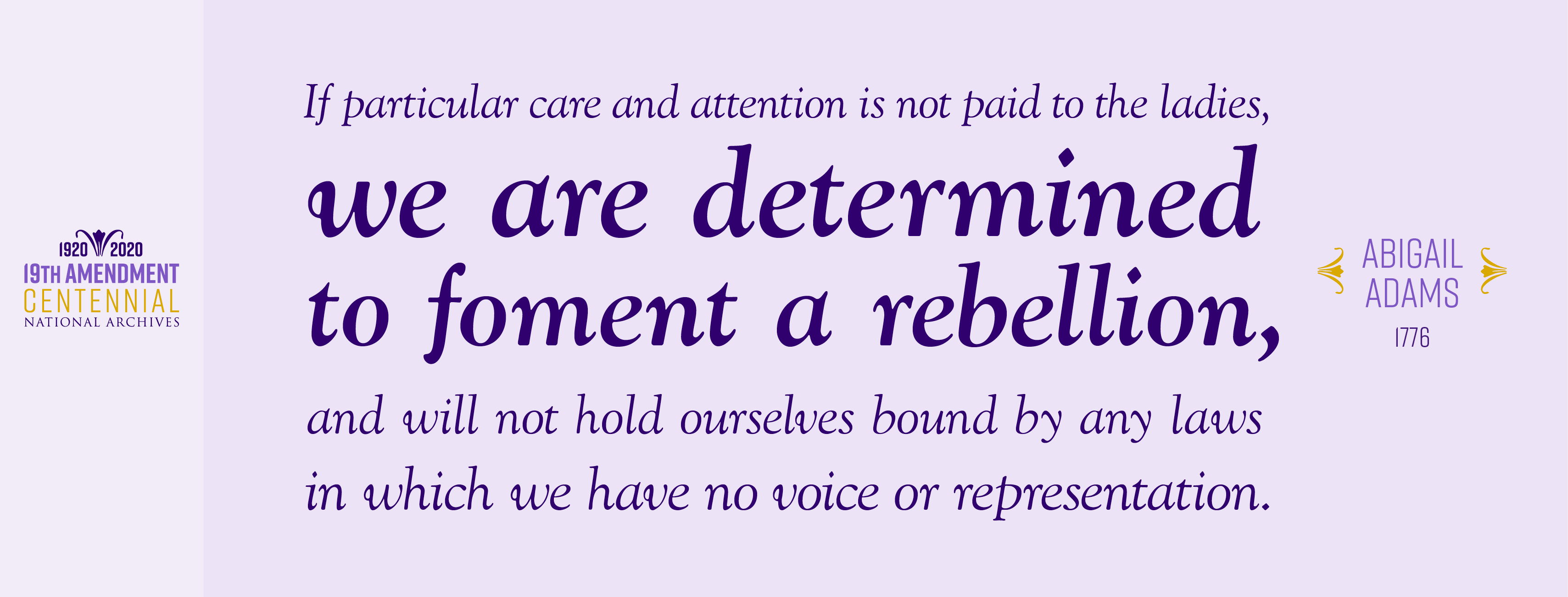
Abigail Adams didn’t just ask for a seat at the table—she demanded the table be rebuilt. In a letter to John Adams, she wrote, “Remember the Ladies, and be more generous and favorable to them than your ancestors.” With those words, she laid the foundation for a conversation about gender equality that continues today. But here’s the kicker: if she walked into a modern boardroom or government chamber, would she see real change—or just polished versions of the same old power structures?
“All Men Would Be Tyrants If They Could”
Abigail wasn’t afraid to call out hypocrisy. She recognized that even in a revolution built on liberty, many men still clung to oppressive traditions. Her words, “All men would be tyrants if they could,” cut to the heart of systemic power imbalances. It’s a statement that feels just as urgent now as it did in 1776. When we see women still fighting for equal pay, representation, and safety, we have to ask: are we really living up to Abigail’s challenge?
“I Can Not Say That I Think You Are Very Generous”

Abigail’s letters were often sharp, witty, and unapologetically honest. When she wrote to John, “I Can Not Say That I Think You Are Very Generous,” she wasn’t just venting—she was holding him accountable. Her tone reminds us that progress isn’t given; it’s demanded. If Abigail could challenge a Founding Father, shouldn’t we challenge our leaders, our institutions, and even our own biases with the same boldness?
“It Is Not in the Power of Man to Make Women Equal”
Abigail understood something profound: equality isn’t a gift—it’s a right that must be claimed. Her statement, “It Is Not in the Power of Man to Make Women Equal,” flips the script. It’s not up to men to grant women rights; it’s up to society to recognize and uphold them. So, who’s really holding the power here? And why does it still feel like women have to prove their worth in spaces built by and for men?
“We Have Too Many High-Sounding Words, and Too Few Actions”

Abigail’s words cut through empty rhetoric like a knife. “We Have Too Many High-Sounding Words, and Too Few Actions” is a challenge to all of us. How many times have we heard promises of equality, only to see the same old patterns repeat? If Abigail were alive today, she’d probably roll her eyes at performative allyship and demand real, measurable change. So, what are we waiting for?
Abigail Adams didn’t just leave us quotes—she left us a legacy of defiance, intelligence, and unshakable conviction. Her words remind us that progress isn’t inevitable; it’s intentional. So the next time you hear “Remember the Ladies,” don’t just nod in agreement—ask yourself: What am I doing to make sure the ladies aren’t just remembered, but truly seen, heard, and valued?
