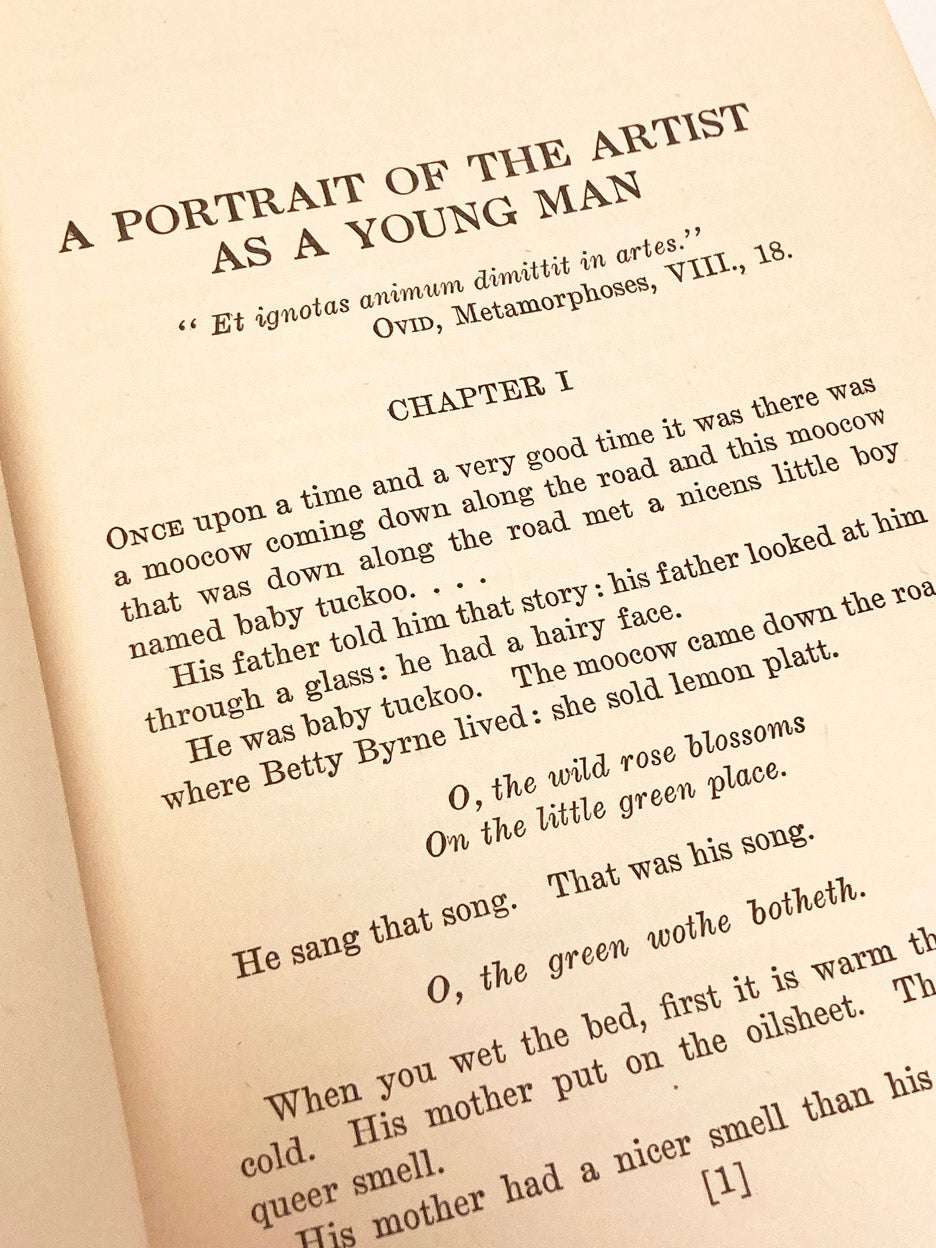
Ever feel like your identity is a patchwork quilt stitched together from other people’s expectations, societal norms, and your own messy, beautiful chaos? James Joyce’s A Portrait of the Artist as a Young Man doesn’t just ask that question—it rips it open, shakes out the threads, and hands you a mirror. The novel follows Stephen Dedalus as he grapples with religion, family, and the suffocating weight of becoming “someone.” But here’s the twist: Joyce doesn’t just tell you about identity. He makes you *feel* it, in all its glorious, cringe-worthy, and sometimes painful glory. And art? Oh, art is the escape hatch, the rebellion, the thing that saves Stephen from drowning in the expectations of others. So, let’s dive into 10 quotes that cut straight to the heart of identity and art—because if you’ve ever felt like an outsider in your own life, you’re in good company.
Who Am I, Really? The Identity Crisis That Won’t Quit

Stephen Dedalus isn’t just confused about his future—he’s questioning whether he even has one. In one of the novel’s most haunting lines, he thinks, “I am not afraid to make a mistake, even a great mistake, a lifelong mistake and perhaps as long as eternity too.” Identity isn’t something you’re handed at birth; it’s something you wrestle with, fail at, and sometimes stumble into by accident. Joyce forces us to confront the terrifying freedom of self-definition. Are you the sum of your past, or are you the person you choose to become?
The Church’s Grip: When Belief Becomes a Cage

Stephen’s upbringing is steeped in Catholicism, but the Church’s rules start to feel like shackles. He realizes, “I will not serve,” a declaration that’s equal parts defiance and desperation. Identity isn’t just about who you are—it’s about who you refuse to be. Joyce captures the moment when a young person realizes that the roles they’ve been handed—devout son, obedient student—might not fit. The quote isn’t just a rejection of religion; it’s a rejection of any system that demands you shrink to fit its mold.
Art as Salvation: The Artist’s Sacred Duty
For Stephen, art isn’t just a hobby—it’s a lifeline. He declares, “I will try to express myself in some mode of life or art as freely as I can and as wholly as I can, using for my defence the only arms I allow myself to use—silence, exile, and cunning.” Art becomes his rebellion, his sanctuary, and his way out of the suffocating expectations of family and society. Joyce frames art as both a weapon and a shield, a way to carve out space in a world that wants to define you before you’ve even figured yourself out.
The Artist’s Burden: Why Creation Hurts

Creating art isn’t all inspiration and epiphanies—it’s also doubt and despair. Stephen muses, “The artist, like the God of the creation, remains within or behind or beyond or above his handiwork, invisible, refined out of existence, indifferent, paring his fingernails.” The quote drips with irony; the artist is both the creator and the ghost haunting their own work. Joyce captures the loneliness of the creative process, where the artist must step back from their creation to let it breathe—but also the agony of realizing that no matter how much you pour into your art, you’re still just a human, flawed and uncertain.
Family Ties: The Invisible Chains of Blood
Stephen’s relationship with his family is a minefield of obligation and resentment. He thinks, “History was a nightmare from which I am trying to awake.” Family isn’t just a source of love—it’s a chain dragging you into the past, forcing you to relive the mistakes and expectations of generations before you. Joyce doesn’t let us romanticize family ties; instead, he shows how they can become prisons of memory and duty. The quote isn’t just about Stephen’s personal struggle—it’s about anyone who’s ever felt trapped by their roots.