


There’s something almost sacred about the moment you crack open a fresh notebook for the first time. The crisp pages, the unblemished margins, the way the spine creaks with promise—it’s as if the book itself is whispering, *Write your story here.* A blank notebook isn’t just a tool; it’s a sanctuary for dreams, a vault for secrets, and a canvas for the untold. It holds the potential to capture fleeting thoughts before they vanish, to sketch the blueprints of future adventures, or to spill out emotions that words alone can’t contain. In its pristine state, it’s a silent promise: that every idea, every dream, every half-formed thought deserves a home. And when you finally place pen to paper, the magic begins.
The Blank Page as a Blank Canvas of Possibility
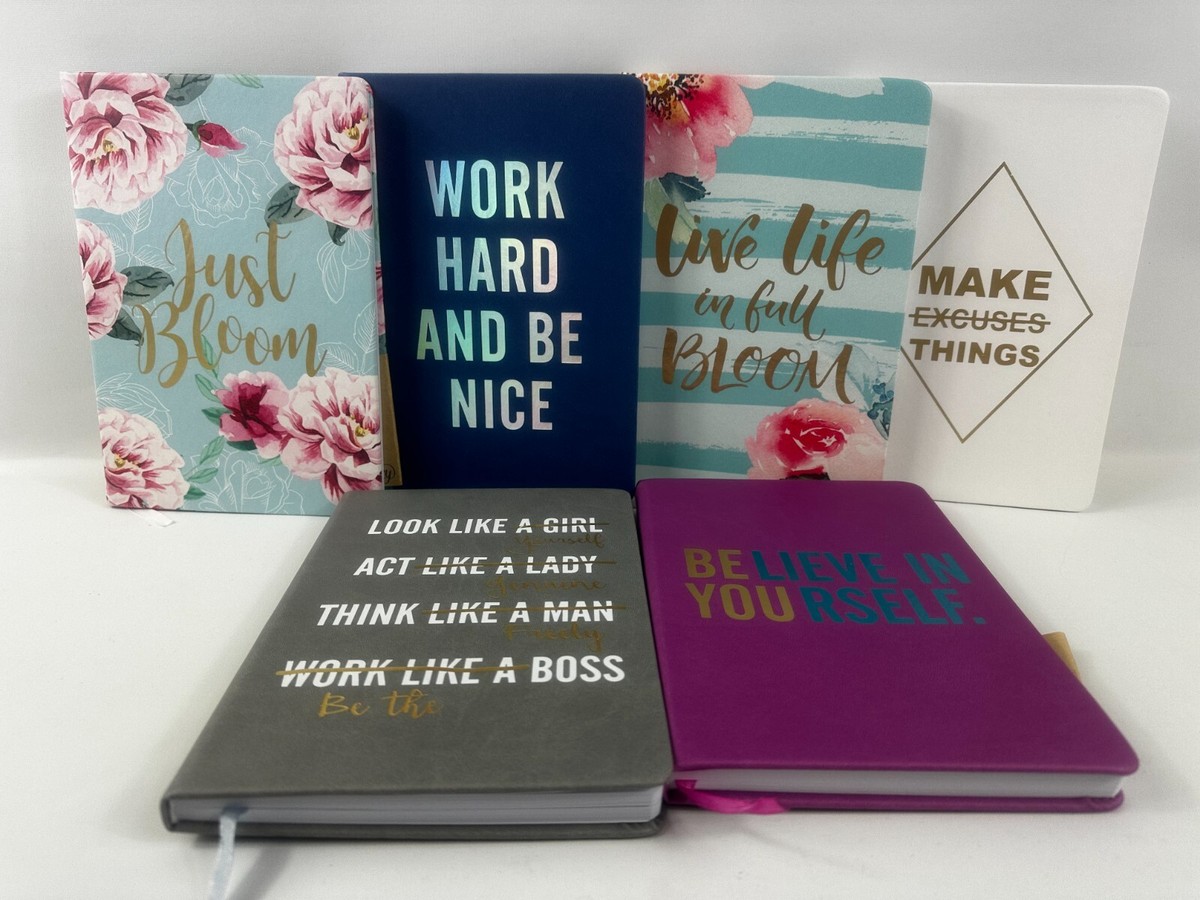
The first page of a fresh notebook is like the first brushstroke on a blank canvas—full of potential, untouched by doubt or hesitation. It’s where the chaos of the mind meets the order of creation, where every doodle, scribble, or carefully crafted sentence feels like a step toward something greater. Unlike the cluttered pages of a well-used journal, the blank page doesn’t judge. It doesn’t demand perfection; it simply invites. Whether you’re mapping out a novel, jotting down grocery lists, or scribbling a poem in the margins, the act of filling those pristine pages becomes a ritual of transformation. The notebook doesn’t just hold your words—it holds the very essence of your imagination, waiting to be unleashed.
A Sanctuary for the Unspoken

There’s a quiet intimacy to a fresh notebook—it’s a place where you can speak without being heard, where your most vulnerable thoughts can exist without judgment. It’s the confidant that never interrupts, the therapist that never charges, and the friend that never forgets. In its pages, you can confess your fears, celebrate your victories, or simply vent about the day’s frustrations. The act of writing becomes a form of release, a way to untangle the knots in your mind and make sense of the world. And when you revisit those pages years later, you’re not just reading words—you’re reliving a piece of yourself, preserved in ink and paper. A notebook doesn’t just document your life; it becomes a part of it.
The Ritual of Beginnings

Every fresh notebook marks the start of a new chapter, whether it’s a new year, a new project, or a new phase of life. The crisp pages feel like a fresh start, a chance to leave behind the clutter of the past and embrace the unknown with open arms. There’s a ritual to it—the sharpening of pencils, the choosing of a pen, the first careful strokes of ink. It’s a moment of intention, a declaration that this time, things will be different. The notebook becomes a witness to your growth, a silent partner in your journey. And as you fill its pages, you’re not just writing; you’re evolving. Each word, each sketch, each doodle is a step forward, a testament to the fact that beginnings, no matter how small, are always worth celebrating.
The Notebook as a Time Capsule

A notebook is more than just a collection of pages—it’s a time capsule, a vessel for the moments that shape you. The first entry might be a simple grocery list, but over time, it becomes a map of your life: the books you’ve read, the dreams you’ve chased, the lessons you’ve learned. It holds the raw, unfiltered version of you—the you before the edits, before the second-guessing, before the world told you to be anything less than authentic. And when you flip through its pages years later, you’re not just reading words; you’re reliving a version of yourself that no longer exists. The notebook becomes a bridge between who you were and who you’ve become, a tangible reminder that every moment, no matter how small, is worth preserving.
The Promise of Potential

The allure of a fresh notebook lies in its promise—the promise of what could be, of the stories yet to be told, the ideas yet to be explored. It’s the thrill of the unknown, the excitement of possibility. Every blank page is an invitation to create, to dream, to become. It’s where the most brilliant ideas are born, where the seeds of future masterpieces are planted. And even if those ideas never come to fruition, the act of writing them down is enough. The notebook doesn’t care if your prose is perfect or your sketches are rough. It only cares that you showed up, that you dared to put something—anything—on its pages. Because in the end, a notebook isn’t just a collection of words and drawings. It’s a testament to your courage, your curiosity, and your willingness to embrace the unknown.
