William J. Brennan, Jr. was a towering figure in American constitutional jurisprudence, renowned for his progressive interpretation of the Constitution as a living document. His views challenged static readings of the law, urging us to see the Constitution not as a relic but as a dynamic framework adaptable to the evolving needs of society. Below are ten thought-provoking quotes from Brennan that invite us to reconsider how we engage with the Constitution and its role in shaping our democracy.
The Vital Role of Justices in Reading the Constitution

“We current justices read the Constitution not as a fixed text but as one infused with meaning that evolves over time.” This perspective encourages us to imagine the Constitution as a breathing document, alive with the promise to address woes and advancements unforeseen by its framers. Brennan’s approach places immense responsibility on justices to interpret laws with a mindful eye on contemporary realities.
Understanding the Constitution Beyond Limitations
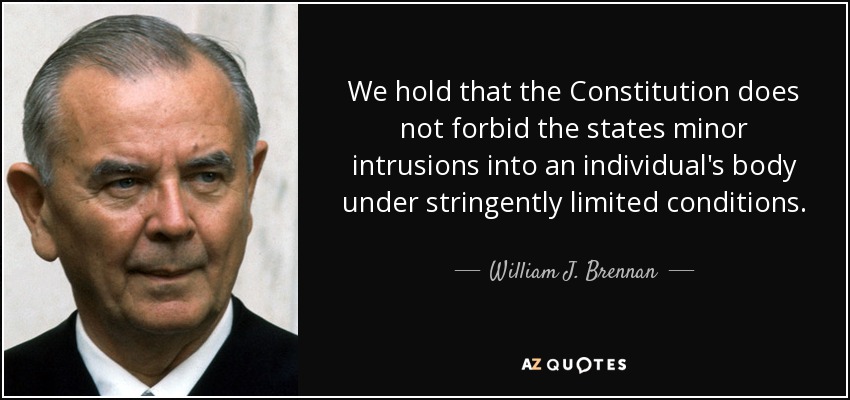
Brennan famously stated, “We hold that the Constitution does not forbid the States minor intrusions into an individual,” which underscores a nuanced balance between individual rights and governmental interests. This reminds us that the Constitution is not an impermeable fortress but a structure allowing room for societal governance to function adaptively while respecting individual freedoms.
A Policeman’s Need to Understand the Constitution
“If a policeman must know the Constitution,” Brennan implores, “why not a planner?” This rallying call expands constitutional knowledge beyond courtrooms into daily civic responsibilities. It casts the Constitution as an essential guidebook for all public servants, ensuring justice and constitutional ethics permeate all levels of government action.
The Constitution’s Fundamental Framing
“The Constitution was framed fundamentally as a mechanism for progress,” Brennan insists, inviting us to see its articles and amendments as tools for societal growth. This concept pushes back against rigid interpretations and encourages a visionary understanding that honors the document’s capacity to serve current and future generations alike.
Why Constitutional Literacy Should Extend Beyond Law Enforcement
“If a policeman must know the Constitution, then why not a planner?” This provocative question sparks curiosity about who should bear the responsibility of constitutional literacy. Brennan suggests that civic officials in various roles must be equally grounded in constitutional principles to foster a more just and informed governance structure.