William Butler Yeats, one of the most profound poets of the 20th century, often used vivid imagery to explore complex themes of control, freedom, and perception. Among these, the iconic metaphor of the falcon and the falconer captures a compelling dynamic—a relationship that blurs the lines between power and loss, guidance and chaos. The following quotes dive deep into this imagery, offering a shift in how we might understand not only dominance but the unexpected consequences it entails.
The Falcon’s Silent Revolt
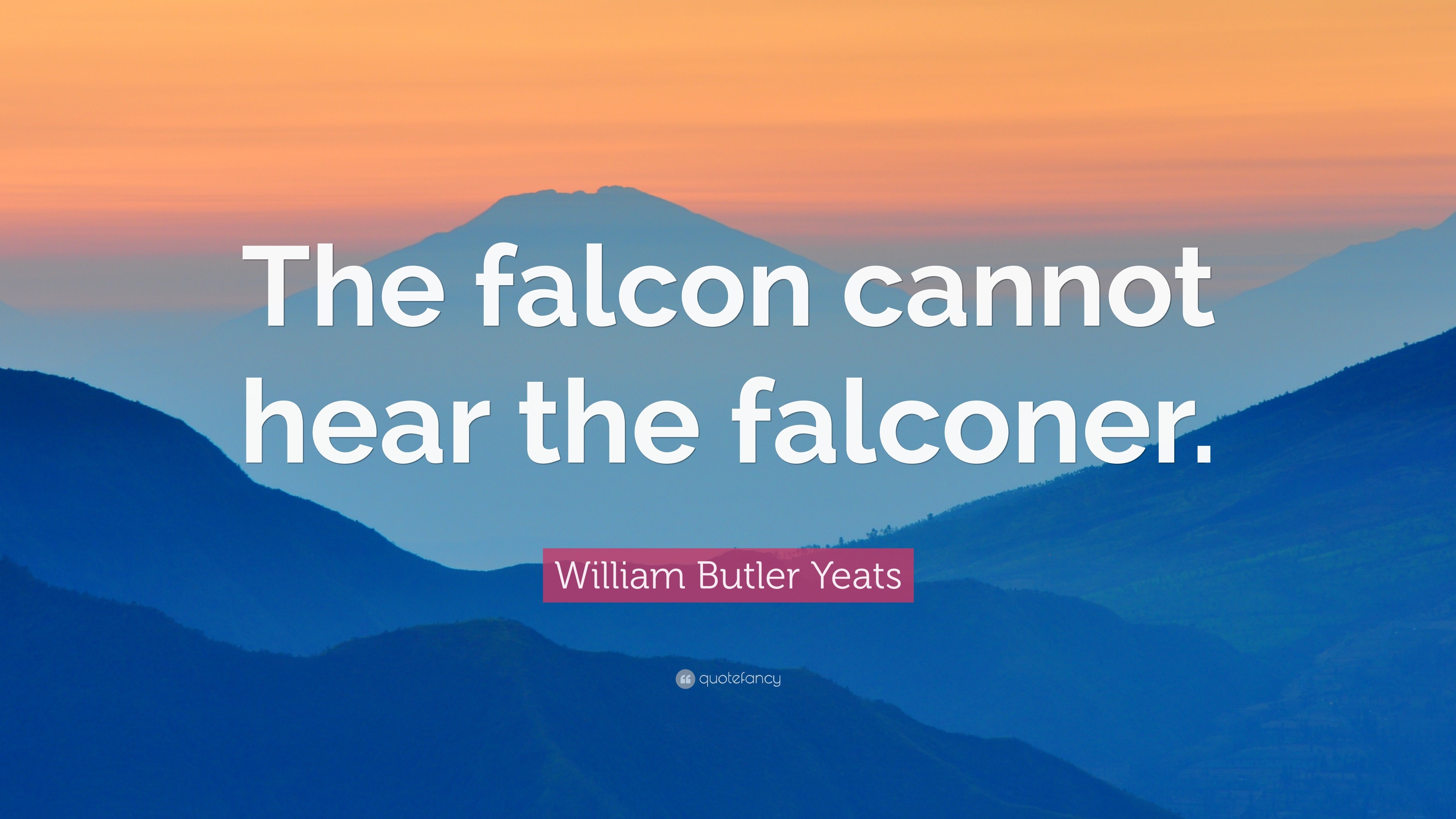
“The falcon cannot hear the falconer.” This evocative line captures the moment when control slips away, and the intended signals are lost amidst chaos or distance. It suggests a fracture in communication, hinting at the falcon’s growing independence and the falconer’s diminishing influence.
Freedom’s Price in the Sky

Yeats explores freedom not as a gentle luxury but as a fraught journey. The falcon’s flight toward autonomy may lead to a loss of connection, symbolizing how breaking free from authority can awaken new challenges and unforeseen consequences.
Symbols Beyond the Surface

The falcon and falconer transcend their literal depiction, becoming symbols that question the grasp we have over our lives and the illusions of control we maintain. Yeats invites us to decipher the hidden messages in this intricate dance between master and bird.
The Delicate Balance of Power

Power is rarely absolute, Yeats implies, and the falcon’s inability to hear its falconer speaks of power’s fragility. This delicate balance asks us to reconsider how dominance operates and how easily it might transform into something uncontrollable.
Echoes of Disconnection

Distance creates silence and disconnection, serving as a haunting reminder of the isolation that can come with independence. Yeats’s metaphor challenges us to reflect on the consequences when communication is severed, whether in nature or in human relationships.