


Can we ever truly undo the frameworks that decide whose lives are seen as grievable and whose existences slip silently into the margins? The concept of grievability challenges us to reconsider the ways society validates pain, loss, and the very value of different lives. Drawing from the provocative ideas in “Undoing Gender,” here are 10 quotes that invite you to reflect on the politics of grievability—each paired with a compelling image to spark deeper thought. Ready to question what (and who) deserves to be mourned?
Challenging the Boundaries of Recognition

When we ask which lives are grievable, we’re poking at society’s boundaries of recognition. This image reminds us of the ongoing fight for equality and inclusion—yet how often do these ideals clash with the reality that some losses feel less worthy of public grief? Undoing gender means unsettling these limits and demanding a world where every life counts equally.
Examining the Invisible Lines of Grievability

Is grief truly universal, or do invisible lines drawn by gender norms decide whose pain is visible? This handwritten quote encapsulates the tension between identity and recognition, asking us to question whether societal scripts confine our ability to empathize fully.
Gender Discrimination and the Politics of Loss
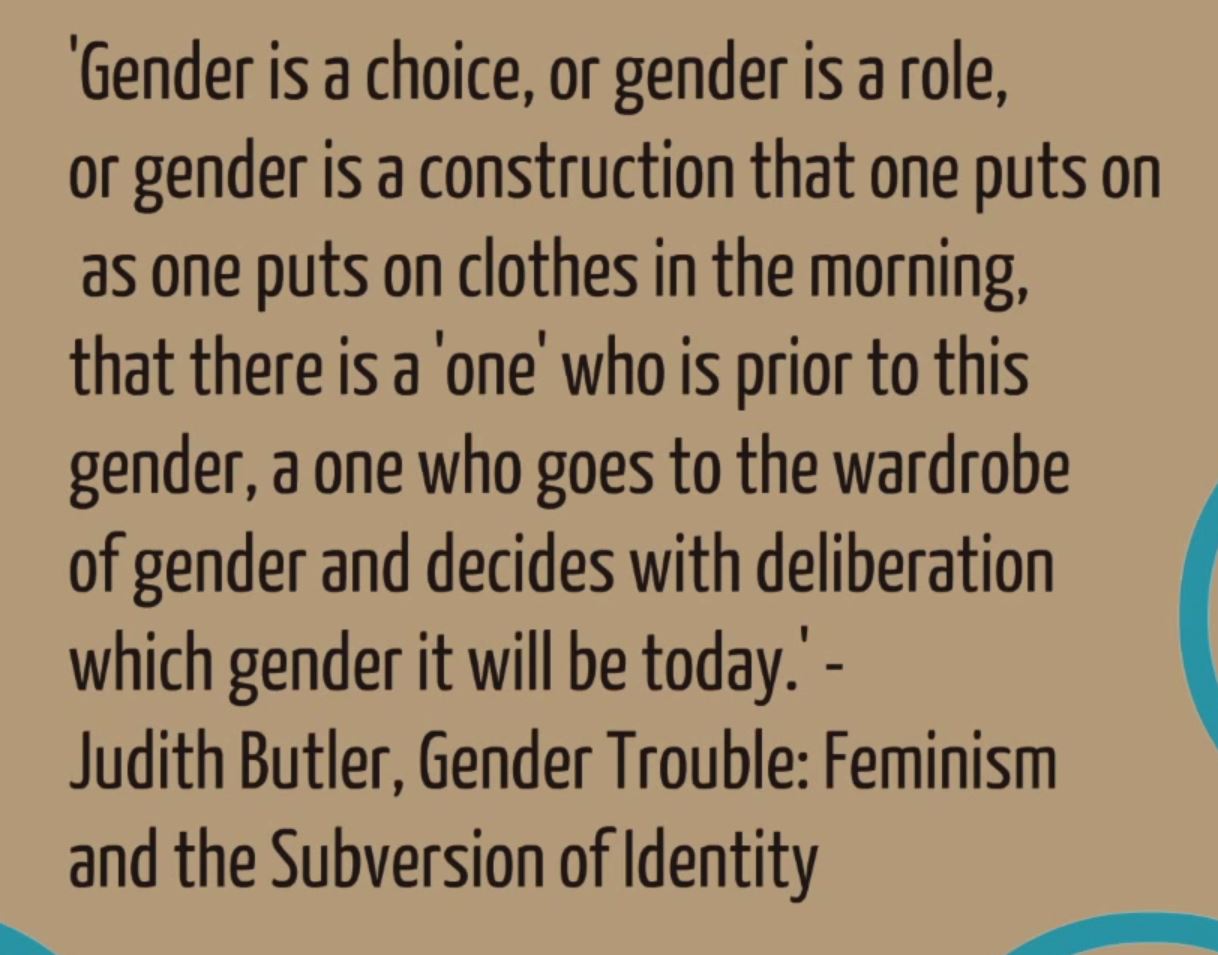
Gender discrimination often dictates not only social opportunities but also the way grief is expressed and validated. These powerful visuals underscore the systemic barriers that frame the conversations around loss—compelling us to ask: Whose tragedies are chronicled, and whose are erased?
Undoing Gender, Rewriting Grievability

This evocative photograph of solidarity reminds us that undoing gender is not just academic—it’s a lived, collective struggle. When the bounds of grievability begin to shift, communities can reclaim their narratives and resist systems that silence or marginalize them.
Beyond Stereotypes: Expanding Who We Mourn
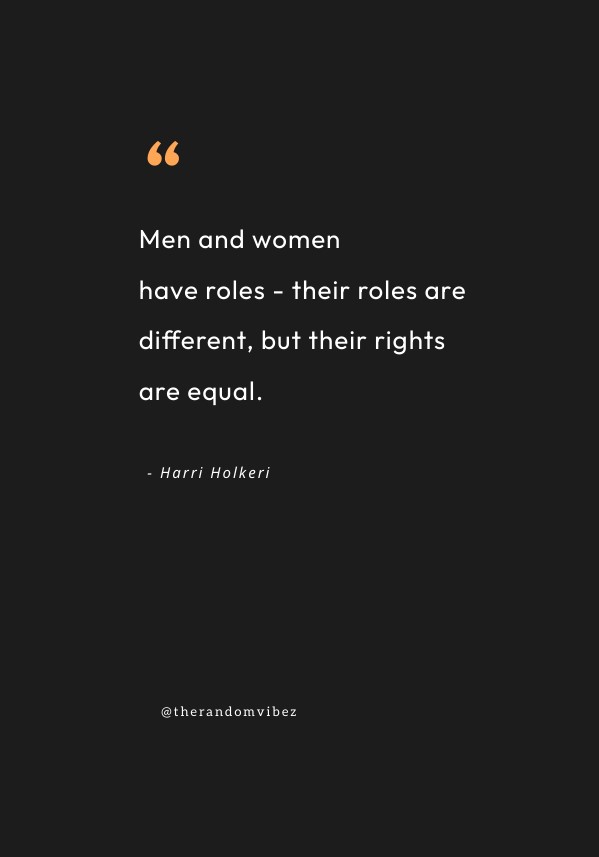
If we dare to go beyond entrenched stereotypes, what new forms of grief emerge? This image provocatively suggests men’s grief, often dismissed or overlooked, also deserves space in the conversation—an essential step for truly undoing gender and expanding the reach of grievability.
