Is violence the inevitable price of freedom, or can decolonization take another path? Frantz Fanon’s seminal work, The Wretched of the Earth, boldly confronts this dilemma with a piercing clarity that challenges our most comfortable assumptions about liberation. Through his vivid and often unsettling observations, Fanon reveals the complex relationship between violence and the struggle to reclaim dignity under colonial rule. Let’s explore 10 profound quotes that delve into the heart of this fight and provoke us to rethink what it truly means to break free.
The Unthinking Machine of Colonialism
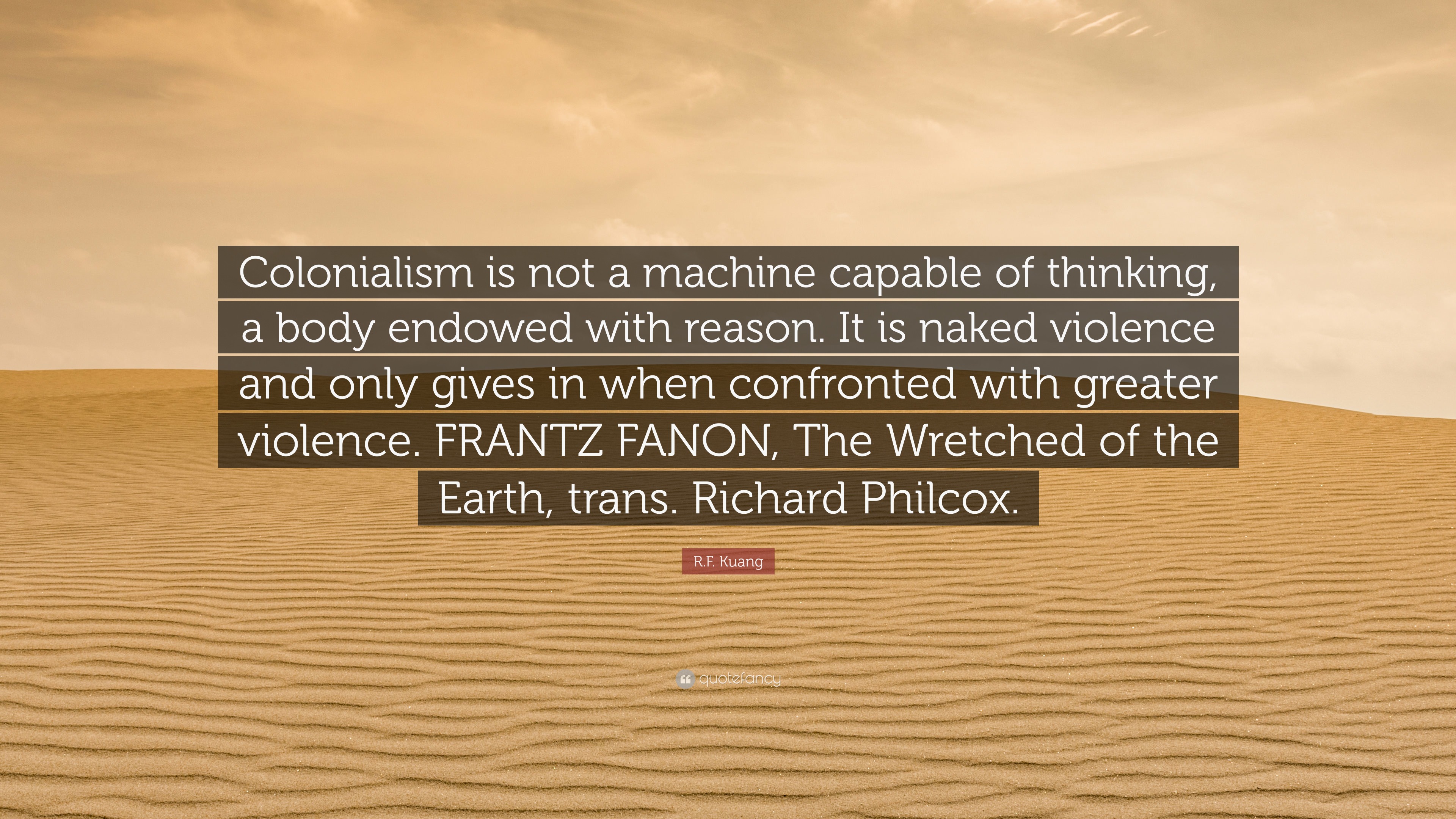

“Colonialism is not a machine capable of thinking,” Fanon implies that colonial systems are not just cold institutions but relentless forces driven by oppressive logic. This sets the stage for understanding why violence erupts—because colonialism is an unwavering engine that crushes human spirit without mercy, lacking empathy or reason.
The Psychological Scars of Violence
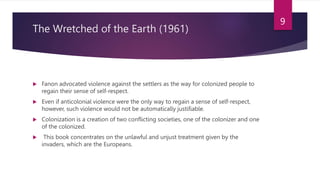
Fanon doesn’t just talk about physical violence but addresses its psychological consequences. The violence of colonization spawns internalized oppression and trauma, making the path to decolonization as much a battle within minds as across territories. This psychological framing forces us to question how healing happens after the storm of conflict.
The Deadly Logic of Decolonization
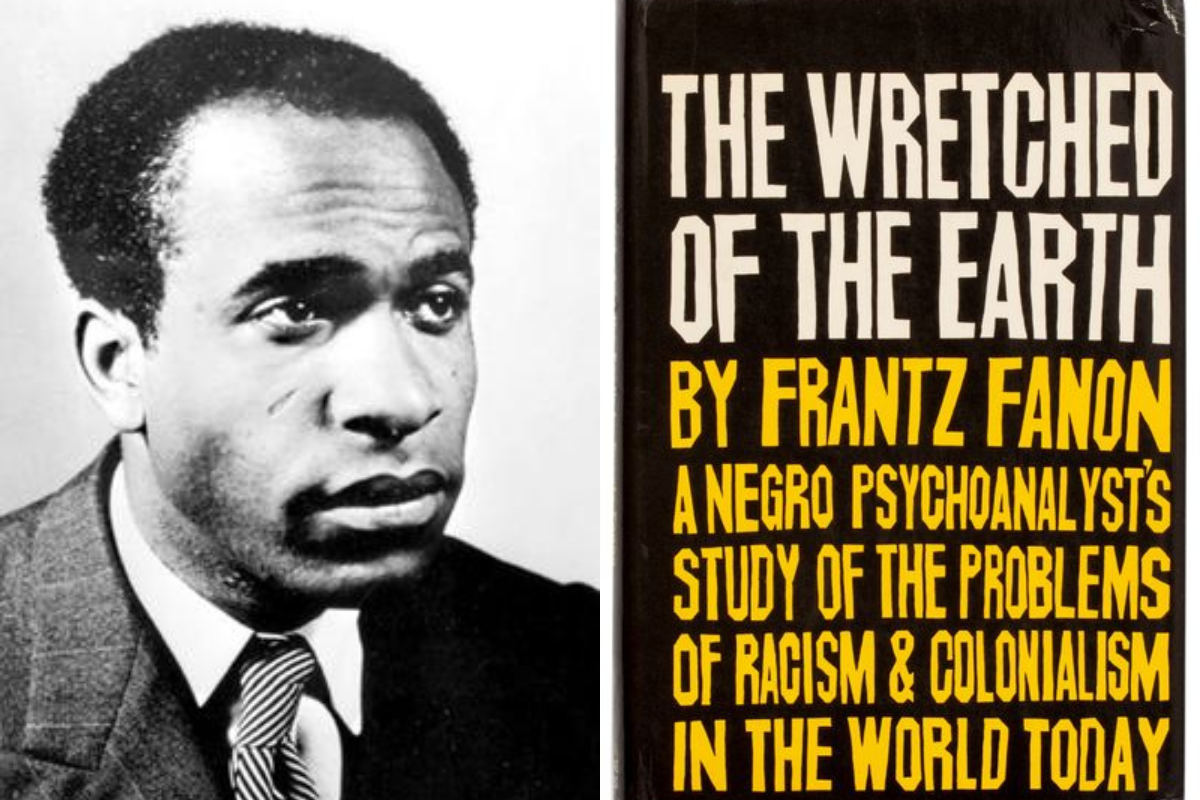
Is upheaval an acceptable means to achieve justice? Fanon dares to suggest that the process of decolonization carries a deadly logic of its own—one where the existing power structures must be violently uprooted to forge new realities. It’s a stark reminder that the fight for freedom rarely unfolds peacefully when built on the shattered bones of the past.
Colonial Violence and the Wretched of the Earth
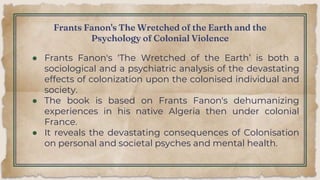
Fanon’s powerful analysis stresses that colonial violence doesn’t just impose physical suffering but cultivates a pervasive culture of fear and submission. However, the “wretched” are not passive victims—they become actors in reclaiming their agency, often through violent means that mirror the brutality they oppose. It’s a brutal cycle, yet an essential one for true liberation.
The Written Word as a Weapon

Fanon’s text itself becomes a weapon, cutting through colonial myths to expose harsh realities. His words rally the oppressed and challenge complacency across the globe. In understanding these quotes, we encounter not just historical reflection but a call to awaken from passive acceptance—inviting us to consider how violence, though destructive, may sometimes be the catalyst for new beginnings.