Have you ever wondered how the timeless story of the prodigal son can challenge the way we see family, forgiveness, and even ourselves? Henri J.M. Nouwen’s reflections on this parable dive deep into the roles of the father and the elder brother, pushing us to reconsider who we really are in this dynamic. Let’s explore 10 insightful quotes, accompanied by meaningful visuals, that invite us to face the playful yet profound challenge of embracing mercy and understanding in our relationships.
The Father’s Embrace: A Love Beyond Expectations
“The story of the prodigal son is the story of a father who never stopped loving his son, even when the son rejected that love.” Nouwen challenges us here: can we embody a love that is relentless and unconditional, even when it seems undeserved? This is the father’s radical invitation to us all.
The Challenge of the Elder Brother’s Resentment

What about the elder brother, who watches forgiveness with suspicion? Nouwen points out that “the elder brother resents the father’s mercy.” It’s a challenge to those of us who may identify with his struggle—can we resist the temptation to hold grudges or feel entitled to love?
Return and Vulnerability Hand in Hand

“The prodigal son returns home humbled, upheld by his vulnerability.” Nouwen’s perception invites us to see our own wounds not as failures, but as the very place where healing and grace begin. Are we brave enough to return and be vulnerable in our own lives?
The Father’s Silent Waiting
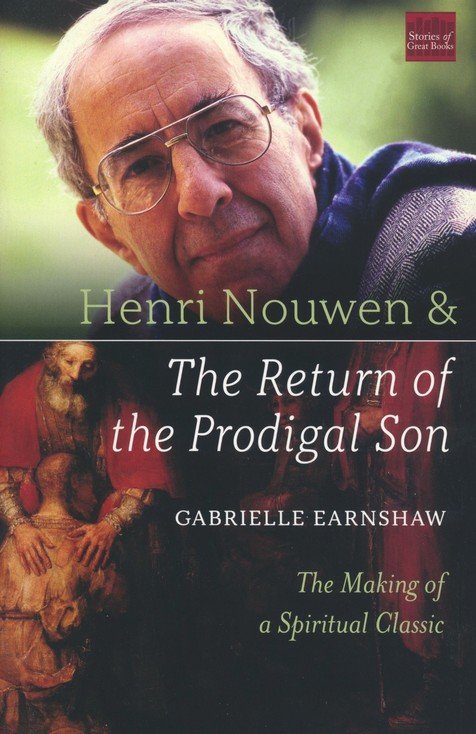
In a culture that demands quick results, the father’s patient waiting is revolutionary. Nouwen reminds us that “God waits patiently for our return, longing without pressure.” Could embracing this patience challenge your own expectations in relationships?
The Elder Brother’s Hidden Longing
“Behind resentment lies a secret longing for recognition and love.” Nouwen gently nudges us to look beneath the surface of the elder brother’s anger. What might we discover if we dared to acknowledge our own hidden desires for acceptance?