What does “home” truly mean when your roots are tangled in displacement and your heart carries the weight of exile? Warsan Shire, a voice of immense power and vulnerability, confronts this very question through her poetry, exploring the fragile intersection of home, identity, and refuge. Let’s delve into 10 compelling quotes from her work that challenge our perceptions and invite us to feel the profound complexities of being unmoored yet yearning for belonging.
1. Home as Both Sanctuary and Battlefield
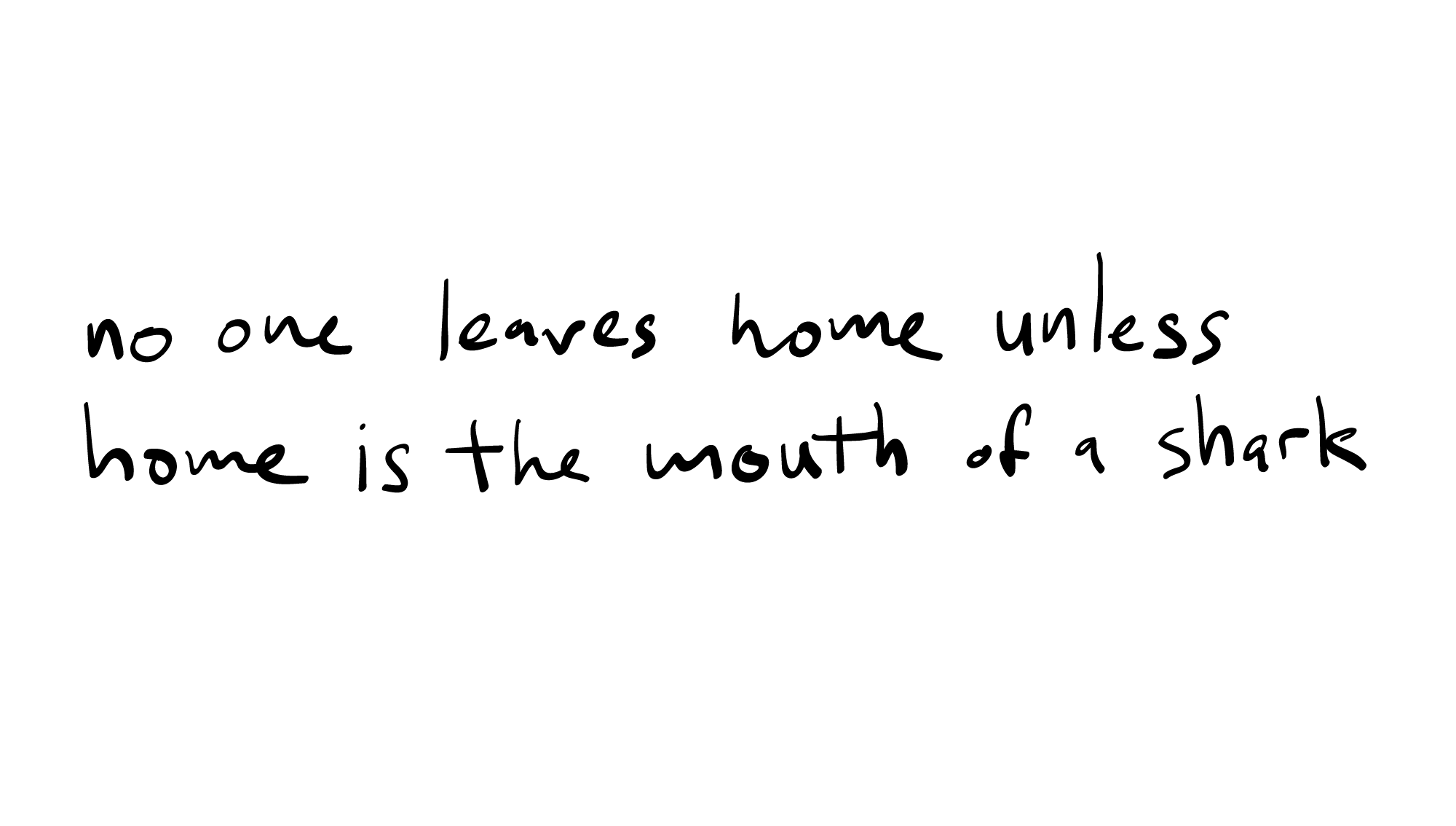
“No one leaves home unless home is the mouth of a shark.” This haunting line encapsulates the agonizing choice faced by refugees—home is not always safe. Shire turns home from a place of comfort into a site of conflict, forcing us to rethink what drives displacement.
2. Carrying Your Home Within

“You have to understand, that no one puts their children in a boat unless the water is safer than the land.” This quote challenges us to confront the desperation behind fleeing, highlighting that refugees often carry a psychological home—a collection of memories and hopes that cling tightly despite upheaval.
3. The Weight of Words Left Unspoken

Shire’s work often speaks through quiet pain. “You only leave home when home won’t let you stay.” This stark statement reframes the narrative from choice to necessity, underscoring the exhausting invisibility refugees endure.
4. Refuge as a Fleeting Illusion

“They say ‘home is where the heart is’ but what if your heart is left behind?” Shire probes the tension between physical refuge and emotional home, posing a question that may not have a kind answer.
5. The Resilience to Rebuild
“You are terrifying and strange and beautiful—something not everyone knows how to love.” This powerful assertion reveals that identity forged through trauma has complexity and strength, asserting dignity despite hardship.
6. The Invisible Scars of Displacement
“Home is not a place, it’s a feeling you’re too scared to lose.” Shire voices what many refugees carry silently—the fear not just of losing a dwelling but of losing self and history.
7. The Journey’s Unseen Burdens
“The tears of the lost carry salt from the ocean they crossed to escape.” This vivid metaphor twists pain into a tangible and active force, symbolizing both suffering and perseverance.
8. The Double Bind of Identity
“You don’t have to be what they said you were.” Shire’s words crack the mold of imposed identity, inviting refugees to reclaim narrative power against labels and stereotypes.
9. Home as Memory Despite Distance
“I’m the one who left and the one who was left behind.” This poignant duality reflects the simultaneity of absence and presence in exile—both in leaving and being left for those who remain.
10. The Hope of Arrival
“Someday, the map will no longer erase your name.” Here, Shire’s hope flickers through the darkness, suggesting that recognition and belonging may eventually replace erasure and invisibility.
Warsan Shire’s poetry challenges us: can we redefine home when the old definitions break down? Through her verses, we glimpse the resilience, heartbreak, and defiance etched into the stories of those seeking refuge. Perhaps the question isn’t only about where home is, but who we become in the pursuit of it.