What exactly is freedom, and can a state truly guarantee it without stepping on its citizens’ toes? It’s a puzzle that philosophers of right have been wrestling with for centuries. The balance between individual liberty and state authority isn’t just a political debate—it’s the ongoing dance of civilization itself. Let’s dive into 10 compelling reflections on freedom and the role of the state, each offering a nudge or a challenge to how we think about these fundamental ideas.
Freedom as a Fundamental Right
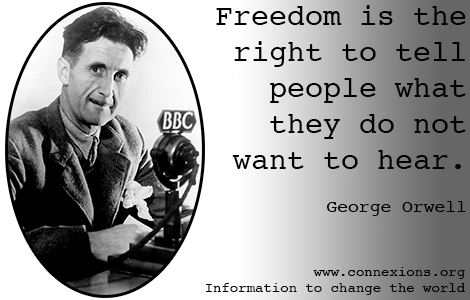
Is freedom simply the absence of restraint, or does it encompass something deeper? This quotation pushes us to consider freedom as an essential human right—one that must be fiercely protected. But what happens when protecting freedom turns into restricting others? The tension is real and unavoidable.
Faith and Freedom: The Invisible Bond
Can faith be a vehicle for true freedom, or a chain disguised as liberation? This quote invites us to reflect on how inner beliefs fuel our sense of independence. Yet, in a state, balancing faith-driven freedoms against secular laws adds a whole new layer of complexity.
The State’s Duty to Protect Beliefs
A democratic state promises to protect freedoms—especially the freedom to hold any belief, no matter how fringe or mainstream. But can a state remain neutral and unbiased in this task? The subtle challenge lies in drawing the line between protection and control.
The Liberty and Its Limitations
Freedom isn’t just about doing whatever you want, whenever you want. It comes with boundaries—sometimes imposed by the state to ensure collective well-being. This quote invites us to ask: how much liberty should we really claim before it encroaches on others’ rights?
Freedom’s Fragile Balance
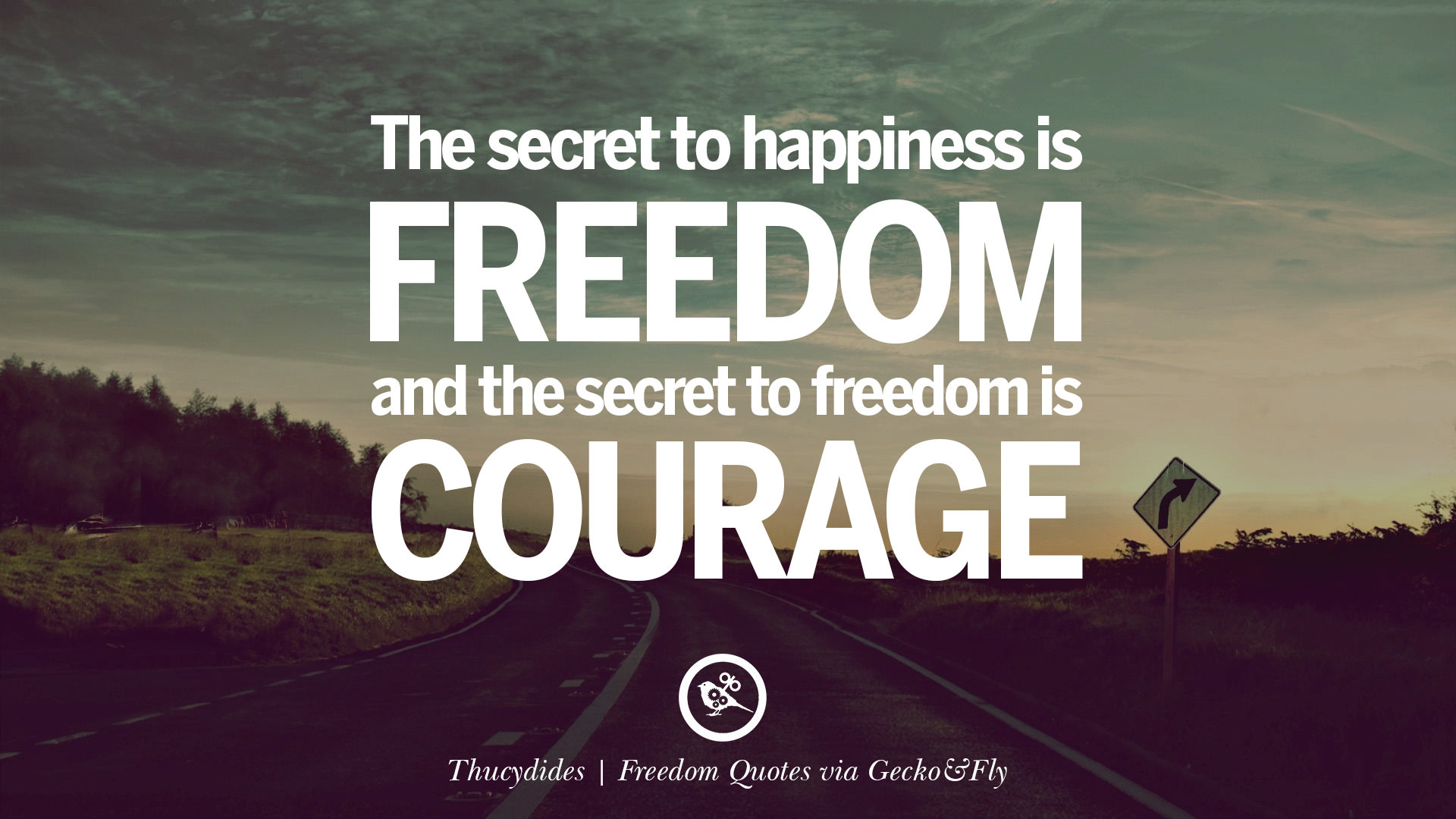
Here lies the paradox: too much state interference can suffocate freedom, while too little can lead to chaos. This reflection stirs the question—how does one achieve that elusive sweet spot where freedom thrives and the state remains a helpful guide rather than a controlling overlord?