The Metamorphosis by Franz Kafka remains an enduring exploration of isolation and the absurdity that punctuates human existence. Kafka’s surreal narrative unfurls the profound loneliness that accompanies transformation—both literal and existential—and the baffling disconnection between the individual and society. The quotes drawn from this seminal work echo like haunting refrains, each a metaphorical window into the psyche of Gregor Samsa, whose bewildering change into an insect is less a physical anomaly and more a symbol of alienation. Here are ten mesmerizing reflections on isolation and absurdity, each captured in Kafka’s evocative prose and paired with striking imagery that deepens their resonance.
“It is not necessary that you leave your room.”
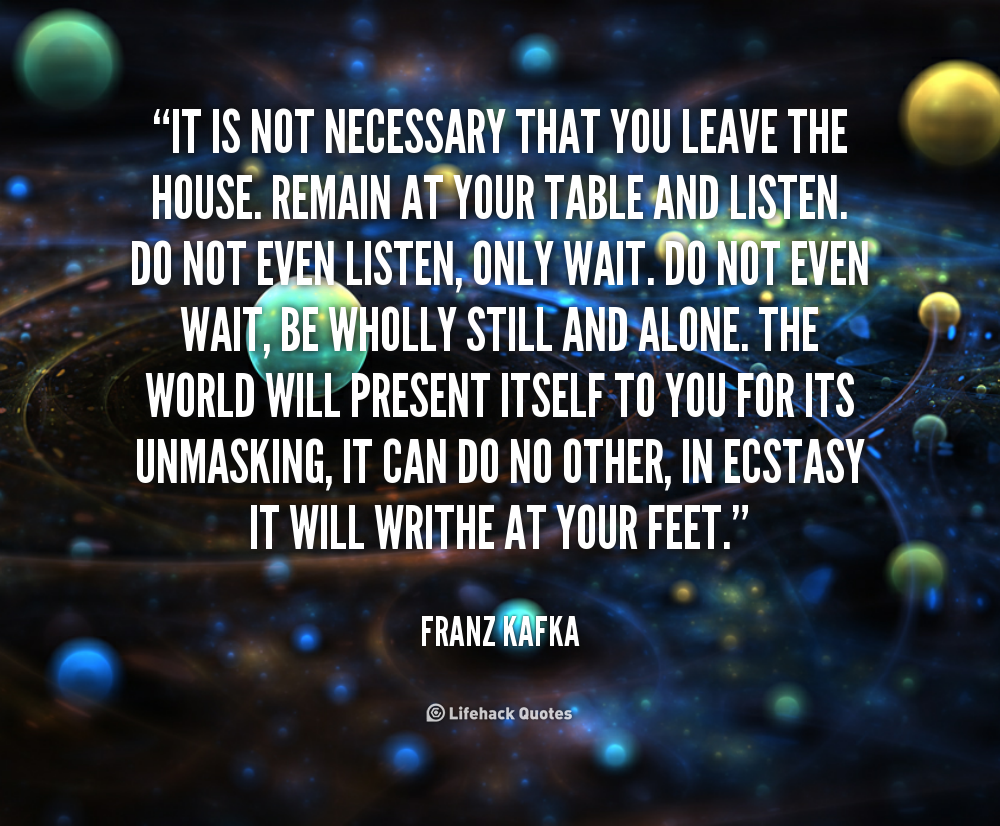

This deceptively calm statement serves as a metaphor for the self-imposed exile that Kafka’s protagonist endures. The boundaries of Gregor’s room become a prison of the mind as much as of the body—a space where isolation is both a refuge and a sentence. It hints at the paradox of isolation, where safety and suffocation exist in delicate balance, embodying the absurdity of finding oneself trapped within the familiar.
“I cannot make you understand. I cannot make anyone understand what is happening inside me.”

The tragic sense of incomprehension is a cornerstone of Kafka’s absurd world. This quote illustrates the emotional and linguistic chasm separating Gregor from those around him, emphasizing the alienation not only in appearance but in communication. The absurdity of existence is laid bare: even the most painful experiences are locked within a personal fortress, leaving the individual profoundly alone.
“Was he an animal, that music could move him so?”

This line encapsulates the blurred threshold between humanity and monstrosity, a core theme of The Metamorphosis. The absurdity emerges from Gregor’s simultaneous recognition of beauty and detachment from it—a creature touched by music yet estranged from the human world that cherishes it. It’s a metaphor for the profound disconnect that isolates sensory perception from social belonging.
“He was a tool of the boss, without brains or backbone.”

This quote reflects Gregor’s existential predicament intertwined with societal expectations. Reduced to a mere instrument of labor, his identity is eroded by the absurd machinery of capitalism. Isolation here is externalized in mechanization, underscoring a loss of self that Kafka grimly highlights—man becomes insect, tool, and alien, trapped in a relentless cycle devoid of meaning.
“He felt integrated into human society only as a nightmare.”

Perhaps the most chilling metaphor of all, this line captures the paradox of belonging through repulsion. Gregor’s presence within society is marked solely by discomfort and fear, a kaleidoscope of isolation that transforms humanity into a haunting nightmare. Kafka’s language twists the familiar into the absurd, a surreal reflection of social estrangement that feels both vivid and intangible.