


Can art and politics truly coexist without stepping on each other’s toes, or are they destined to be frenemies forever? This playful tug-of-war invites us to examine how creative expression and political discourse entwine, clash, and sometimes harmonize. Let’s dive into 10 thought-provoking quotes that reveal the complexities of art and politics, sparking a challenge to our perspectives and perhaps even our beliefs.
Politics Meets the Canvas: Is Art More Than Science?

Politics is often seen as a rigid system governed by rules and facts, but here, it’s likened to art – fluid, interpretive, and expressive. This raises the question: if politics is an art, does it offer the same room for creativity and emotion as painting or music? Or does the political arena demand a different kind of artistry, one where strategy and persuasion paint the picture?
Can an Art Critic Truly Ignore Politics?

It’s tempting to believe that art criticism should focus solely on technique and aesthetics, free from political bias. Yet, is it possible to divorce politics from art critique when creativity often reflects social conditions and personal beliefs? This quote challenges us to consider if silence on politics is a neutrality or an evasion.
Art as Expression: Bridging Politics or Building Walls?

Art quotes abound, but the unspoken ones tell us much about the interplay between art and politics. Art serves as a potent medium for political voices to be heard, yet it also risks alienating audiences who see politics differently. Is art a unifying force, or does it deepen the divides it portrays?
Life Is Politics, But What About the Gallery?

Luc Tuymans prods us to think twice before injecting politics into every corner of art spaces. Life undeniably breathes politics, but art galleries might remain sanctuaries to escape or rethink those realities. How much political content should art spaces carry before art becomes a battlefield rather than a sanctuary?
Democracy’s Double-Edged Sword on Artistic Expression
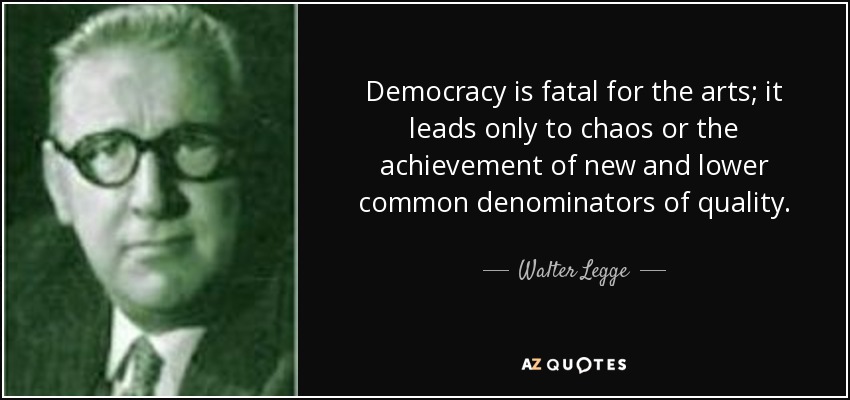
Walter Legge’s comment is a striking critique: democracy, often celebrated for freedom, might lead to chaos in the arts or push new extremes. Could an excess of voices and opinions dilute artistic purity, or does democracy simply mirror the messy, vibrant nature of society itself? This paradox challenges us to rethink the role of artistic freedom in democratic societies.
