


Hannah Arendt’s profound exploration of the human experience in The Human Condition offers a timeless reflection on labor, work, and action. These fundamental activities shape our lives in ways both visible and subtle, inviting us to consider their deeper meanings. The allure of these concepts lies not only in their familiarity but in the complex relationships they unveil between necessity, creativity, and freedom. Below, we delve into 10 compelling quotes that illuminate the richness of these themes.
The Essence of Labor: Sustaining Life
Labor, by Arendt’s definition, is the repetitive activity tied closely to life’s biological processes. It represents the eternal cycle of necessity, a relationship marked by its unending nature. This ceaseless repetition may seem mundane, yet it forms the foundation of human existence, reminding us why we are continually engaged in sustaining life.
Work: Creation Beyond Survival
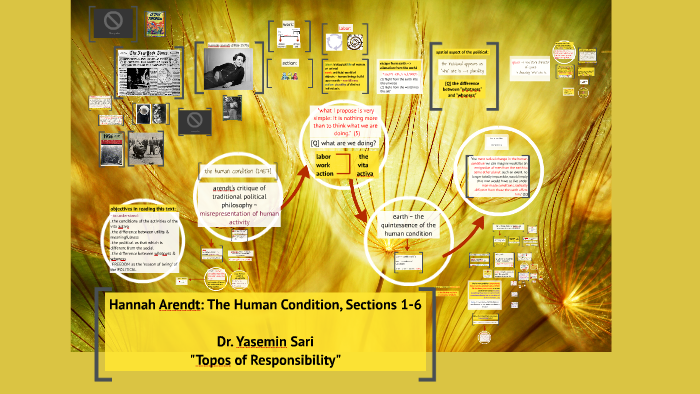
Unlike labor, work builds the human-made world, creating a tangible and durable environment. It transcends biological necessity, reflecting human creativity and intellect. This quote hints at why work fascinates us: it embodies permanence and craftsmanship, the ability to shape the world differently from mere survival.
Action: The Realm of Freedom and Plurality

Action is the most spontaneous and unpredictable activity. It occurs in the public sphere, involving speech and interaction with others. This dimension of human life highlights our freedom and initiates change, which explains our endless fascination: action reveals who we are, not just what we do.
The Triad that Defines Human Life

Arendt’s tripartite model—labor, work, and action—provides a profound lens through which to view human activity. These categories underscore the balance between biological necessity, durability, and freedom. Their interplay mirrors the complexity of life itself, illuminating why these concepts persist in our collective consciousness.
Labor as the Most Ancient Activity
Labor is depicted as the oldest human activity, linking us across time as beings who must continually maintain life. Arendt’s reflections urge us to recognize labor’s humble yet indispensable role, distinguishing it from transient pleasures or achievements.
Work Creates a World of Things
Through work, humans fabricate a world characterized by permanence and utility. This act of making sets us apart from mere survival; it grants humans the capacity for legacy, reflected in the artifice we leave behind for future generations.
Action as the Birthplace of History
Action embodies unpredictability; it is through meaningful deeds and discourse that history unfolds. The essence of politics and community life, action reveals the potential of individuals to initiate new beginnings and influence the collective fate.
The Vulnerability of Human Plurality
Action requires others; it is inherently social and exposes us to the unpredictability of response and interpretation. This vulnerability is a source of fascination—it highlights the fragility and resilience embedded in human relationships.
Labor and the Illusion of Progress
While labor maintains life’s continuity, it also traps humanity in cycles, sometimes creating an illusion of endless progress. Arendt’s insight invites reflection on how escape from this cycle may lie in the realms of work and, more profoundly, in the realm of action.
Freedom Through Action and the Human Condition
The most evocative dimension of Arendt’s philosophy centers on freedom embodied in action. It is here that individuals genuinely reveal themselves and exercise creativity. This understanding enriches our appreciation of political life and human dignity.
