


Have you ever wondered if there’s a secret blueprint hidden within the heart of Buddha’s wisdom that could challenge the way you see life’s ups and downs? The Four Noble Truths might just be that roadmap, revealing insights that are as timeless as they are transformative. Let’s take a vibrant dive into 10 quotes from the core of Buddha’s teachings, each opening a door to understanding suffering, desire, and liberation.
Understanding Suffering: The First Noble Truth

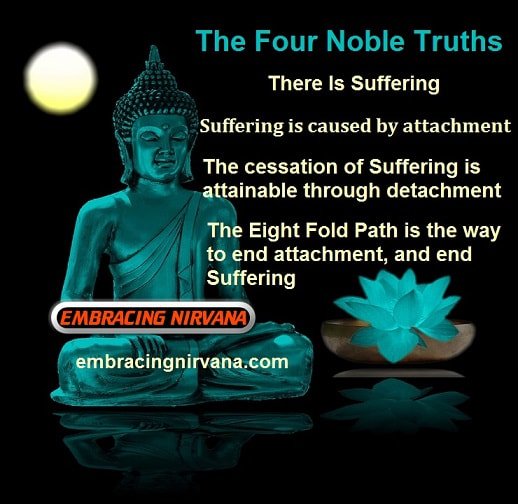
“Life is marked by suffering.” This simple yet profound recognition begins Buddha’s teaching. It’s not a downer but an invitation to face reality squarely. Can you name moments where pain or dissatisfaction pushed you to deeper insights? The First Noble Truth urges us to acknowledge suffering without denial, setting the stage for transformation.
The True Cause of Our Struggles

“Desire is the root of suffering.” It’s a challenging thought—are our cravings and attachments the very source of our distress? This call-to-action from the Buddha invites you to ponder what you cling to and why. Could releasing certain desires actually free your mind?
Freedom Lies Beyond Suffering

“There is a way to stop suffering.” This hopeful promise is the heart of the Third Noble Truth. It hints at liberation—not as a distant dream but as a reachable possibility. What if peace is not about escaping life’s challenges but embracing a new way of seeing them?
The Path to Liberation: Walking with Purpose

The Fourth Noble Truth outlines the Eightfold Path, a practical guide to ethical living, mental discipline, and wisdom. Can following such a path really transform daily life, or is it just an idealistic notion? Exploring these steps opens up a dialogue between intention and action.
The Courage to Face Reality
“To understand everything is to forgive everything.” This insight from the Buddha challenges us to cultivate compassion—for ourselves and others. When you face your own suffering with kindness, can you imagine how the world around you might change? The Four Noble Truths don’t just teach; they invite a revolution of the heart.
