


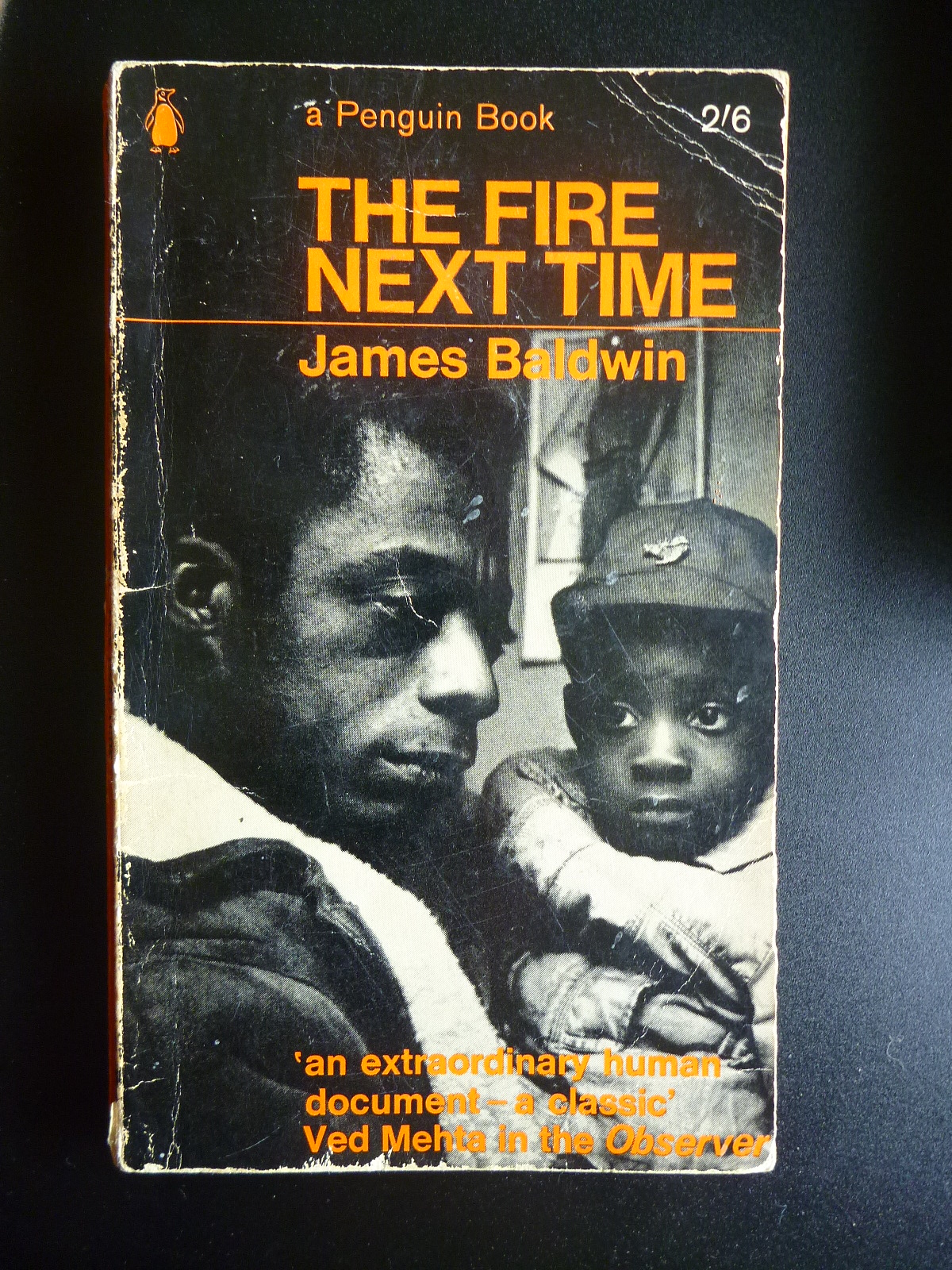
Can love and anger truly coexist without tearing us apart? James Baldwin’s The Fire Next Time confronts this fiery question head-on, challenging us to rethink how these powerful emotions shape our lives and society. Through profound reflections, Baldwin explores the intricate dance between affection and fury, especially within the context of racial injustice and personal identity. Let’s dive into 10 unforgettable quotes from this landmark work that illuminate love and anger in all their complexity.
Love as the Path to Redemption

“Love takes off the masks that we fear we cannot live without and know we cannot live within.” Baldwin reminds us that love has the power to expose our true selves, breaking down the barriers we hide behind, even in the face of anger and sorrow. Can embracing vulnerability through love soften the edges of rage?
The Complexity of Anger in the Fight for Justice
“To be a Negro in this country and to be relatively conscious is to be in a rage almost all the time.” Here Baldwin acknowledges the constant presence of anger in the struggle against oppression. But he also poses a challenge: how can we channel this anger constructively without letting it consume us?
Love’s Power to Transform Anger

Baldwin posits that “Not everything that is faced can be changed, but nothing can be changed until it is faced.” Love compels us to confront the hard truths behind our anger. Are we brave enough to love in a way that demands honest reckoning?
The Danger of Suppressed Anger

“Hatred, which could destroy so much, never failed to destroy the man who hated.” This warning rings true today—anger that is not understood or expressed can corrode the soul. Could love offer a healing balm, or does it demand that we first face the fire of our rage head-on?
Intertwining Love and Responsibility

“Love does not begin and end the way we seem to think it does.” Baldwin challenges the simplistic notion of love as mere feeling. Instead, it’s a constant act of responsibility—especially when anger threatens to uproot our shared humanity. Will we accept love’s demanding challenge?
