Robert Frost’s poetry often brings readers face to face with the quiet, profound beauty of nature, particularly woods and roads. These simple elements serve as powerful symbols in his work, reflecting life’s choices, contemplations, and mysteries. His words invite us to pause and look beyond the surface, exploring the deeper reasons why woods and roads hold such a captivating place in our imaginations. Below, we explore ten quotes from the complete poems of Robert Frost that highlight this timeless fascination.
The Allure of Quiet Woods
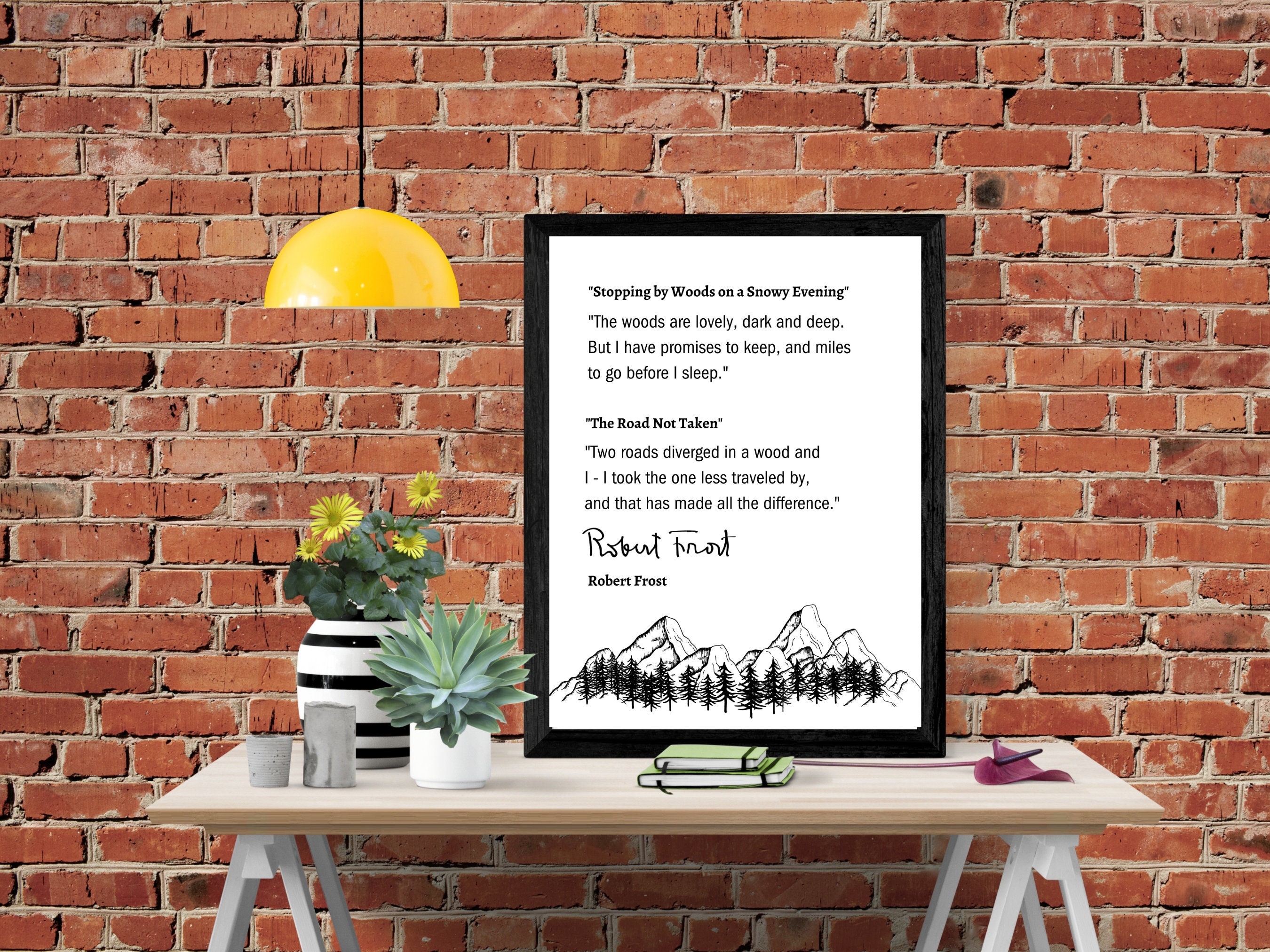
The woods, in Frost’s poetry, symbolize solitude and introspection. They are often depicted as quiet sanctuaries away from the rush of daily life. This idea echoes the common observation that humans are drawn to nature for solace, yet Frost hints that this attraction runs deeper—a place where one can confront inner thoughts and untapped mysteries of existence.
Two Roads Diverged in a Yellow Wood
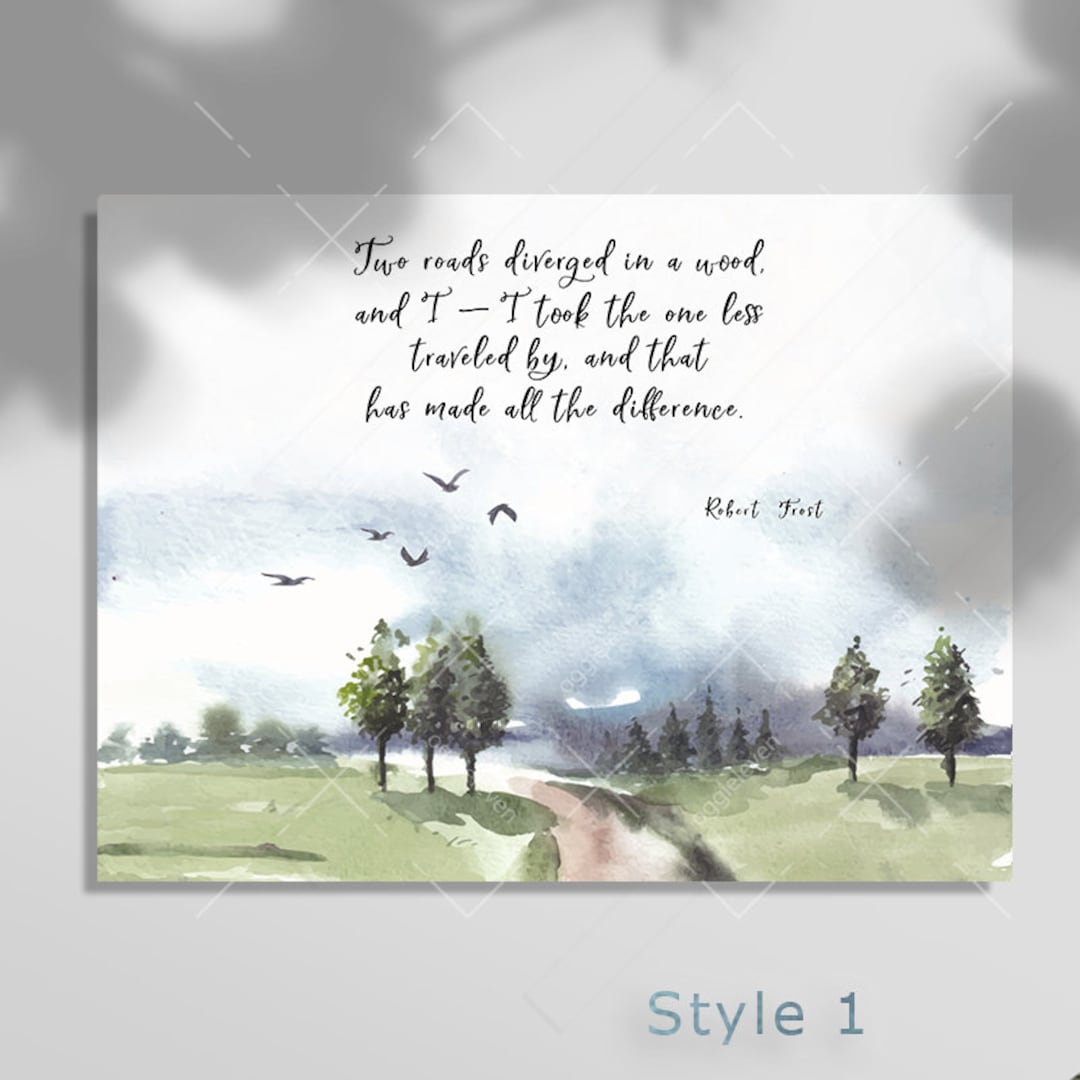
“Two Roads Diverged in a Yellow Wood” is perhaps Frost’s most famous meditation on choice, uncertainty, and consequence. The roads symbolize life’s decisions, each path tempting yet mysterious. The forest setting deepens the metaphor, suggesting that each choice leads into an unknown world, a new set of challenges and wonders, resonating with the universal human experience of making difficult decisions.
The Woods Are Lovely, Dark and Deep

One of Frost’s most haunting lines captures the woods’ enchantment and danger: “The woods are lovely, dark and deep.” This paradoxical attraction to beauty and mystery captures why many feel drawn to the forest. It isn’t simply a physical place but a metaphorical space where our minds wander, confronting temptations, fears, and desires beneath the surface calm.
Every Road Has Its Secret
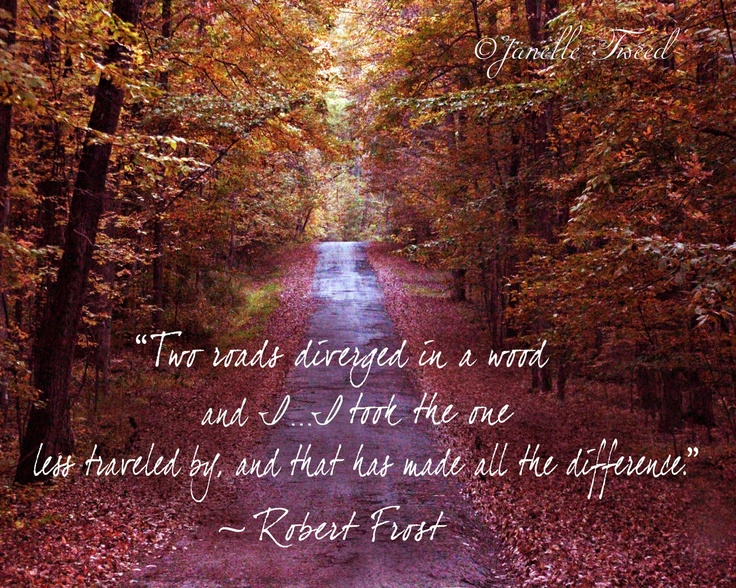
Frost sketches the road as more than just a path—it holds secrets and stories. The common observation that roads lead somewhere is complicated by the poet’s suggestion that every road carries hidden meaning beyond its physical destination. This reflects a deep human curiosity to uncover the unknown and understand the journey itself, not just the endpoint.
Stopping by Woods on a Snowy Evening

In this serene poem, Frost’s narrator stops to admire the woods’ beauty on a snowy evening, highlighting a shared human urge to pause and appreciate quiet moments. But beneath this surface lies a hint of melancholy and contemplation of life’s promises and responsibilities—the lights in the village remind us of the worlds we leave behind to wander into peaceful woods.
The Path Less Traveled
The notion of the path less traveled is a compelling symbol of individualism and nonconformity. Frost’s words suggest that what makes one road more meaningful is not the path itself but the choice to take it. This speaks to the shared experience of navigating life’s unpredictable terrain and finding identity through the roads we decide to follow.
The Mystery Hidden in the Woods
Woods in Frost’s work often hold a mysterious quality, hinting at secrets that nature keeps from human understanding. This mystique draws readers to examine what lies beneath the surface, embodying our fascination with nature as both comforting and unknowable, a place where reality and imagination blend.
Roads as Metaphors for Life’s Journey
Frost’s roads symbolize the continuous journey of life with its inevitable choices and consequences. They reflect a common observation: life is a path with many forks, each road promising different futures. The deeper allure lies in how those choices define us, illustrating our hopes, regrets, and growth over time.
Temptation and Duty in the Woods
While the woods beckon with beauty and calm, Frost simultaneously reveals a subtle tension between temptation and duty. The woods may coax us to stay and dream, but there is always the pull of obligations beyond. This duality addresses why people find woods fascinating: they embody both escape and responsibility.
The Enduring Power of Frost’s Natural Symbols
Frost’s enduring use of woods and roads as natural symbols invites us to revisit these images repeatedly, each time discovering new layers of meaning. Their fascination lies not only in their physical presence but in their ability to inspire reflection on choice, solitude, nature, and the human condition itself—a timeless reminder of the quiet power held in simplicity.