Emily Dickinson’s poetry often dances delicately between the realms of hope and death, weaving a tapestry that promises transformation and new ways of seeing the world. These 10 quotes from her complete poems invite us to reconsider our most profound emotions and the mysteries that surround them. Each verse is a beacon, illuminating the shadowy spaces where hope meets mortality, and urging us toward a deeper understanding of both. Let’s dive in and explore these powerful insights through evocative images that capture the essence of her words.
Hope Is the Thing With Feathers
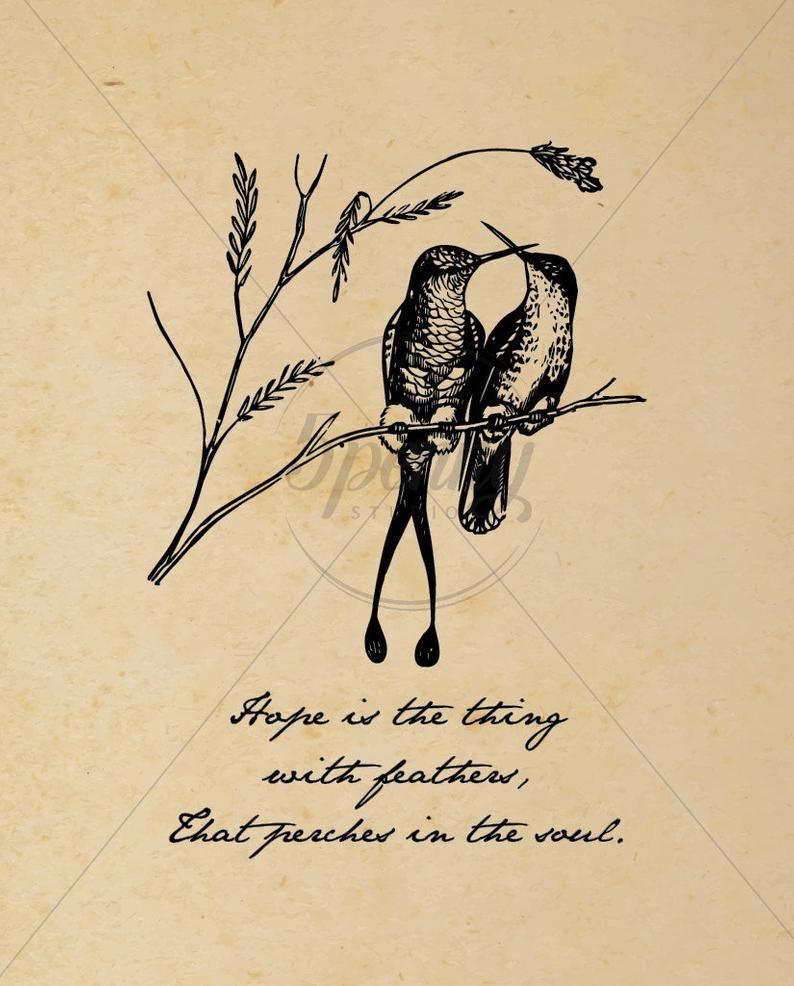
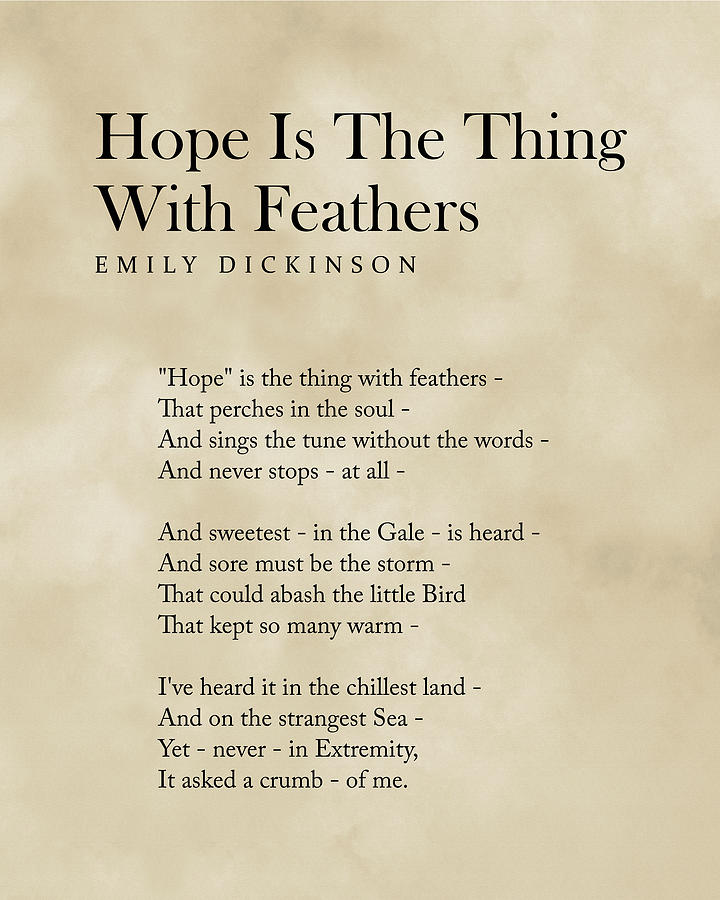
“Hope is the thing with feathers / That perches in the soul — / And sings the tune without the words — / And never stops — at all —” This iconic metaphor transforms hope into a living, breathing entity that resides within us. Dickinson suggests that hope is not fragile but persistent, offering an unending song even in the face of hardship. It shifts our perspective from seeing hope as passive to recognizing its dynamic, almost tenacious nature.
The Unseen Strength of Hope

In her poetry, hope is often portrayed as a force that quietly endures, outlasting even the darkest of moments. Dickinson’s words remind us that hope does not demand constant attention; it exists silently, building our inner resilience. By imagining hope as an ever-present energy, she encourages a new way to embrace the unseen but undeniable power it holds over despair.
Hope’s Persistence Against the Odds

“And sweetest — in the Gale — is heard — / And sore must be the storm — / That could abash the little Bird / That kept so many warm.” Dickinson reminds us that hope shines brightest amid adversity. The storm, a symbol of life’s challenges and even death, cannot silence this inner bird. This image invites us to reconsider the fragility of hope—realizing instead its remarkable tenacity and warmth.
Hope and the Imminence of Death
Emily Dickinson often paired the certainty of death with the subtle, enduring nature of hope. By placing these themes side by side, she exposes a profound tension: death is inevitable, yet hope remains unyielding. This juxtaposition suggests that hope offers a kind of promise—perhaps of transcendence or of peace—that shifts how we confront mortality.
The Quiet Power of Hope in Everyday Life

Beyond the grand themes, Dickinson’s reflections on hope seep into the ordinary moments of life and poetry alike. Her words coax us to appreciate how hope infuses even the smallest experiences with meaning. By viewing hope as a companion throughout life’s journey, we shift our gaze, finding light in places we once overlooked.
Embodying Hope as a Form of Defiance
Emily Dickinson’s poems encourage readers to see hope as an act of rebellion—an undying resistance against despair and finality. When faced with death, hope turns into an assertive claim that life, in its essence, persists. This perspective transforms hope from a passive feeling to an active stance that defies oblivion.
The Paradox of Hope and Death Intertwined
The interlacing of hope and death in Dickinson’s poetry presents a paradox: the more palpable the shadow of death, the more luminous the spark of hope. This tension invites us to rethink our attachment to mortality. Hope, in this light, is not denial but a nuanced acceptance—a promise that something beyond our fear resides beneath the surface.
Hope as a Source of Eternal Warmth
Through her delicate verse, Dickinson portrays hope as an internal fire, offering warmth even when all seems cold and final. This heat is not fleeting but enduring—illuminating the soul in times when the chill of mortality seems overwhelming. It compels us to consider how hope sustains us beyond the physical limits of life.
Discovering Hope in Silence and Solitude
In the quiet spaces of Dickinson’s poetry, hope often thrives silently and unseen. It thrives in solitude, providing comfort without fanfare or announcement. This subtle presence challenges our conventional ideas of hope as loudly proclaimed, inviting a more intimate and personal relationship with it.
Hope’s Song as an Invitation to Transformation
The persistent, wordless song of hope that Dickinson describes is more than a metaphor—it is an invitation. An invitation to transform our outlook, to embrace uncertainty with courage, and to find renewal where it was previously unimaginable. Her poetic vision assures us that amidst death’s certainty, hope’s melody offers a profound promise of change and continuation.