The Color of Water by James McBride is a profound memoir that delves into themes of race, identity, and family. Through vivid storytelling and honest reflection, McBride explores the complexities of racial identity and the search for belonging in a divided world. In this post, we uncover 10 powerful quotes from the book that speak to the nuances of race and identity, offering insight into the author’s experiences and the broader conversation about cultural identity in America.
The Intersection of Heritage and Self-Discovery
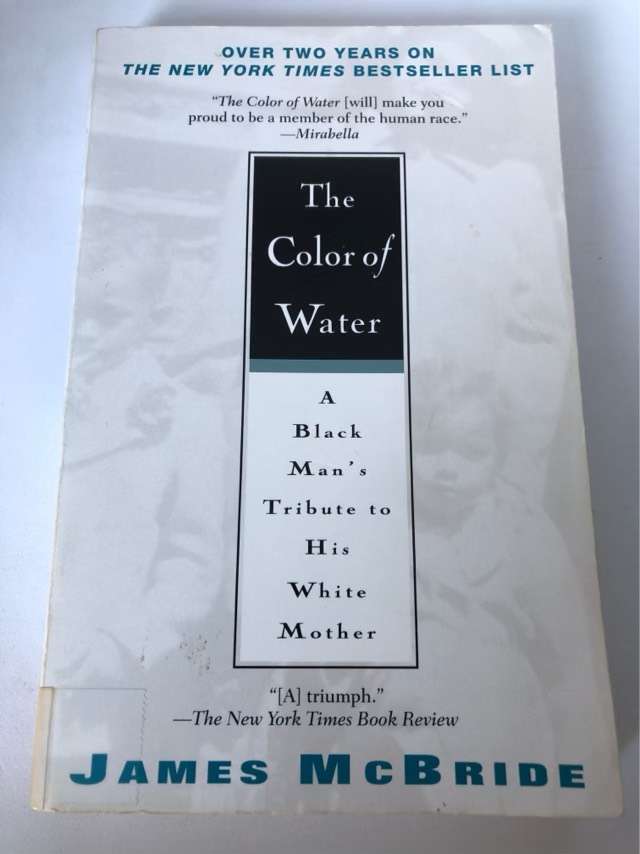
McBride’s journey is not just about racial identity but about understanding the multiple layers that shape who we are. He navigates the intersection of his Jewish and Black heritage with a raw honesty that challenges readers to think deeply about what identity truly means.
Exploring Identity Through Literary Reflection

The book serves as both a memoir and a reflective study on race and identity. Each chapter reveals McBride’s evolving understanding of himself as a biracial individual. These reflections prompt readers to consider the fluidity and complexity of identity beyond fixed societal categories.
The Power of Personal Narrative in Defining Race

Through excerpts, readers experience the power of narrative as a tool for understanding race. McBride’s vivid storytelling personalizes the challenges, contradictions, and triumphs that come with living between cultures and races, making abstract concepts tangible and relatable.
Insights from Emotional Reflections on Race
James McBride’s emotional reflections give readers a window into the internal conflicts many face when grappling with racial identity. The memoir captures moments of confusion, pride, pain, and acceptance, illustrating that race is not just a social label but a deeply personal journey.
The Enduring Relevance of Race in American Identity

The Color of Water stands as a timeless reminder of the ongoing dialogue about race in America. McBride’s story resonates with anyone seeking to understand the cultural and societal forces that shape identity, demonstrating how individual experiences reflect larger patterns of race and belonging.