


Forgiveness is a powerful gift we give ourselves and others, allowing wounds to heal and relationships to strengthen. The 5 Languages of Apology offer insightful ways to express remorse and seek forgiveness effectively. Understanding these languages can help you communicate your apologies sincerely and meaningfully. Below are 10 inspirational quotes drawn from the essence of the 5 Apology Languages, each highlighting different facets of forgiveness and apology.
Accepting Apology and Embracing Forgiveness

“An apology is the superglue of life. It can repair just about anything.” This quote reminds us that forgiveness begins with accepting a genuine apology. When we welcome apologies with an open heart, we create space for healing and trust to rebuild.
The Psychological Foundation of Apology Languages

The 5 Apology Languages — Expressions of Regret, Accepting Responsibility, Making Restitution, Genuinely Repenting, and Requesting Forgiveness — help us understand how people perceive apologies differently. Recognizing these languages is key to making your apologies authentic and effective.
Inspiring Quotes on Forgiveness and Apology
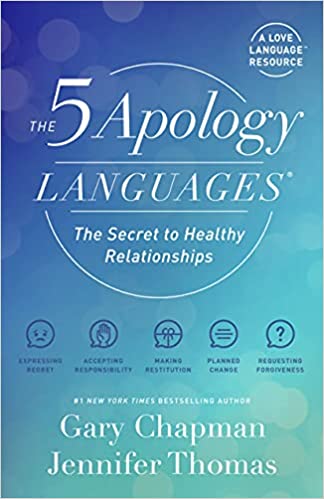
“Forgiveness does not change the past, but it does enlarge the future.” This quote highlights how embracing apology and forgiveness can transform relationships, making them healthier and more resilient over time.
Expressing Genuine Regret in Apologies

“I never intended to hurt you, and I’m truly sorry for the pain I’ve caused. Please give me a chance to make it right.” Genuine regret is the first step in any meaningful apology and it paves the way for forgiveness to take place.
Building Healthy Relationships Through Apology

“The secret to a healthy relationship lies in knowing how to apologize in a way that your partner understands.” Using the right apology language shows respect and love, helping to restore and strengthen connections.
Accepting Responsibility: The Heart of True Apologies
“Taking responsibility for your actions is the first step toward making amends. Without it, no apology can truly heal.” This quote emphasizes that owning up to mistakes is essential for forgiveness and reconciliation.
Acts of Making Restitution as Apology
“Words alone are not enough; sometimes actions must accompany apologies to show true sincerity.” Meaningful apologies often involve making restitution—tangible efforts to repair what was broken.
Repentance: A Transformative Part of Forgiveness
“Repentance changes the trajectory of our relationships and our lives. It not only seeks forgiveness but commits to change.” True repentance reflects a deep desire to grow and prevent future hurt.
Requesting Forgiveness: The Courage to Heal
“To ask for forgiveness is to be brave enough to admit our faults and hopeful enough to mend what is broken.” This quote reminds us that seeking forgiveness is an act of humility and strength.
Forgiving Others: Freedom for Both Parties
“Forgiveness liberates the soul. It removes fear. That is why it is such a powerful weapon.” Forgiveness is a gift that frees both the giver and receiver, allowing peace to take root in relationships and within ourselves.
