Rosi Braidotti is a prominent philosopher whose work on posthumanism has reshaped contemporary thought on identity, subjectivity, and the future of humanity. Her insights challenge traditional human-centered perspectives, inviting us to reconsider our relationships with technology, environment, and each other. In this post, we explore 10 powerful quotes from Braidotti that illuminate her vision of posthumanism, accompanied by diverse content readers can explore to deepen their understanding.
The Posthuman Perspective
“The posthuman condition acknowledges that we are not separate from technology or nature but entangled with both in complex and transformative ways.” This quote highlights how Braidotti’s theory challenges the traditional divide between human and non-human, emphasizing a blended existence. In this podcast episode, listeners can expect a deep dive into the foundational principles of her philosophy and how the posthuman condition reshapes our understanding of self and society.
Summary and Insights

“Posthumanism is not about obliterating humanity but about reconfiguring it creatively, embracing difference, and fostering new modes of existence.” This succinct quote encapsulates Braidotti’s optimistic approach to the future of humanity. Summaries and audio versions provide accessible ways for readers to grasp her complex ideas, often paired with compelling quotes and frequently asked questions that guide newcomers through the nuances of posthuman thought.
Posthumanism in Scholarship
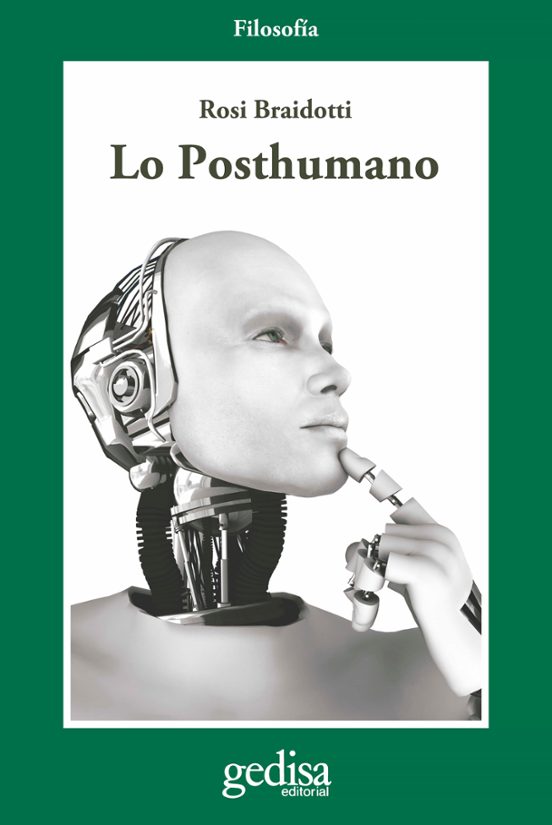
“Subjects are no longer fixed identities but are becoming through processes of transformation and relation.” Braidotti’s scholarship posits a fluid concept of identity, situating subjectivity within ongoing interactions and transformations. Her book displayed here provides rigorous academic engagement with posthuman themes, offering well-developed concepts that challenge readers to think critically about identity, ethics, and power in a posthuman context.
Posthuman Knowledge

“Knowledge itself must be rethought beyond humanism, incorporating multispecies, ecological, and technological dimensions.” This quote presents Braidotti’s call for an interdisciplinary, boundary-crossing approach to knowledge production. Here, readers can explore how the posthuman paradigm expands intellectual horizons and fosters an inclusive understanding of knowledge that transcends traditional human-centered epistemologies.
Posthuman Feminism
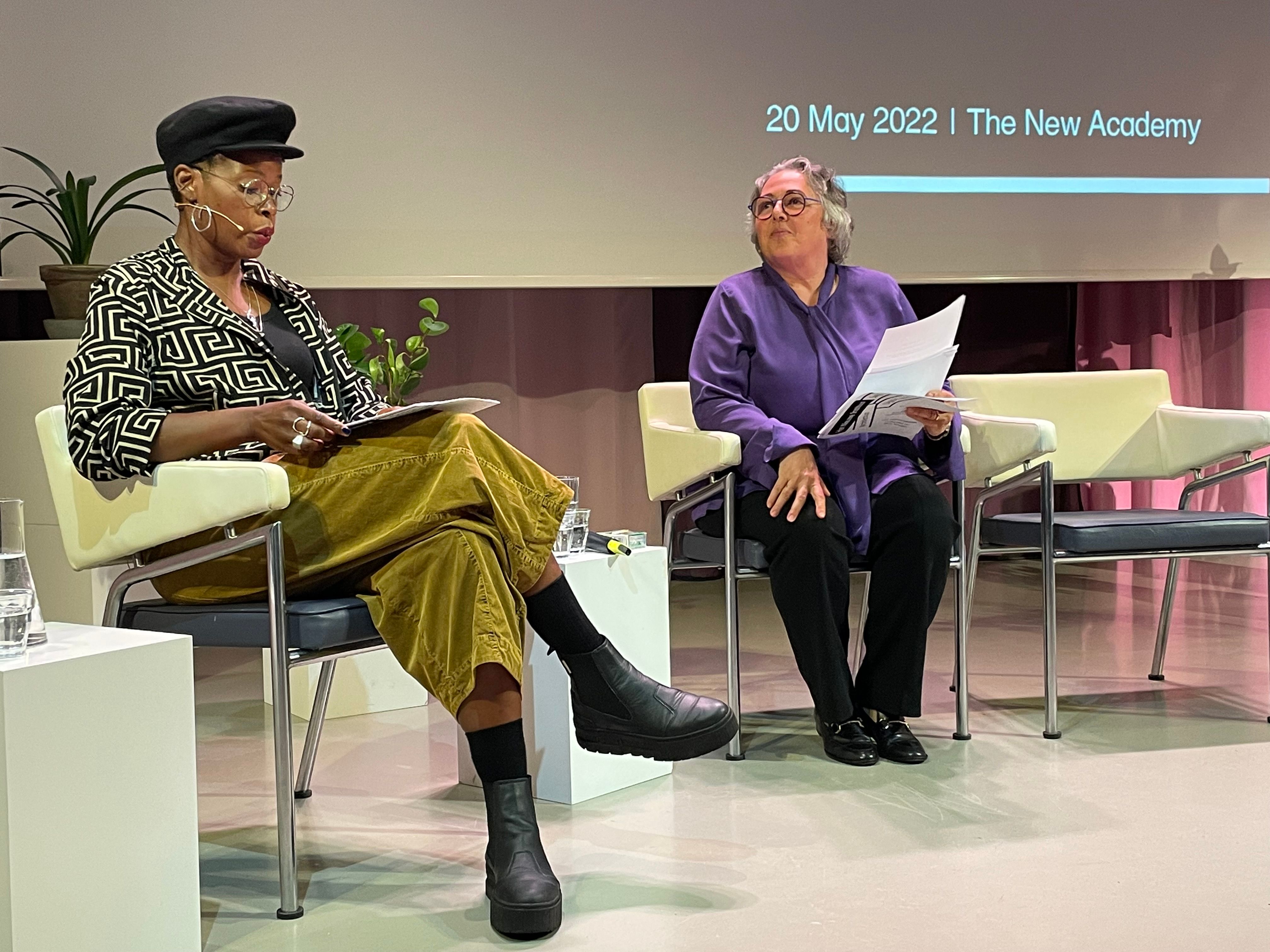
“Posthuman feminism challenges anthropocentric and patriarchal paradigms, envisioning a world where difference and connection coexist powerfully.” Braidotti integrates feminism and posthumanism to critique dominant social structures and propose new frameworks for thinking about gender, embodiment, and agency. This resource highlights her key contributions to feminist theory within the posthuman debate, encouraging engagement with alternative approaches to social justice and identity politics.