When Robert Kiyosaki’s Rich Dad Poor Dad first hit the shelves, it didn’t just promise a new way to build wealth—it challenged the very foundation of how we think about money. Central to Kiyosaki’s teachings is the powerful distinction between assets and liabilities, a concept that can revolutionize your financial future if really understood. Here are 10 compelling quotes, accompanied by thought-provoking insights, that delve into the essence of assets and liabilities and invite you to rethink what you thought you knew about financial freedom.
Understanding the True Meaning of Assets
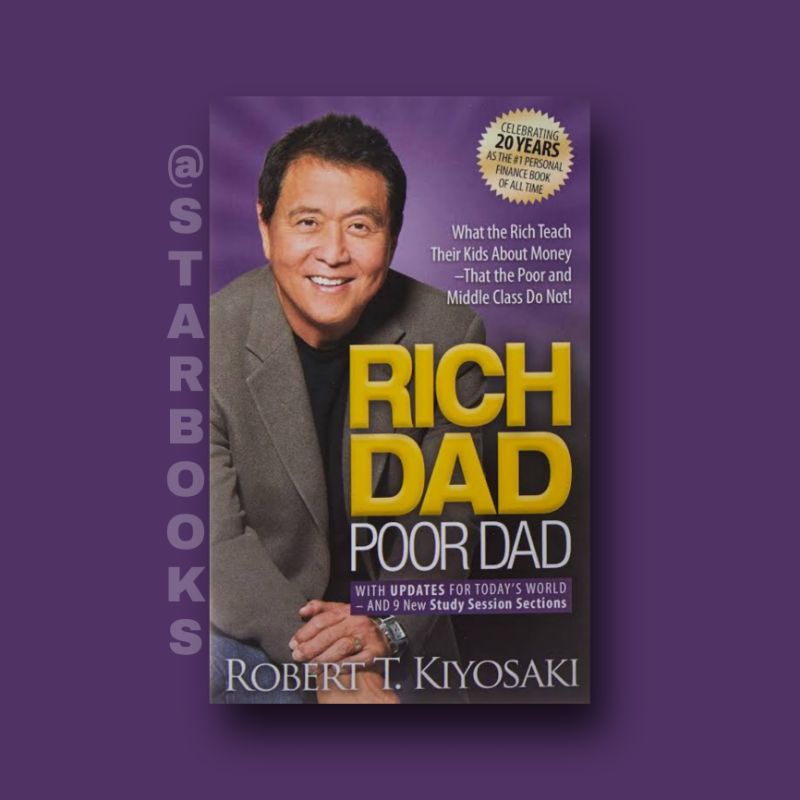
Kiyosaki famously defines assets not as material possessions, but as things that put money into your pocket. It’s a mindset shift that challenges the traditional view of wealth, pushing you to focus not on what you own, but on what your assets generate. As he explains, “An asset is something that puts money in your pocket.” This simple but profound idea flips the traditional financial wisdom on its head, prioritizing cash flow over accumulation.
Distinguishing Liabilities: More Than Just Debt

Many people mistakenly believe that liabilities are only loans or debts. However, Kiyosaki broadens the term to include anything that takes money out of your pocket. This expanded perspective makes it clear why some expenses, like a fancy car, can be liabilities if they don’t generate income. Understanding this distinction can save you from costly financial traps and reshape your spending habits.
The Power of Financial Education in Recognizing Assets

Kiyosaki reminds us that traditional schooling often neglects the teaching of financial literacy, especially the clear identification between assets and liabilities. “The lack of financial education is the single biggest obstacle to building wealth.” This quote challenges the notion that your job or income alone can build your financial empire: understanding money’s vocabulary is just as critical.
Why Paying Yourself First Builds Real Assets

“Rich people buy assets. The poor and middle class buy liabilities thinking they are assets.” This compelling insight reveals the behavioral patterns that keep many stuck financially. Kiyosaki emphasizes the importance of diverting income first to asset acquisition rather than spending on immediate pleasures disguised as assets. This approach plants the seeds for sustainable financial growth.
The True Wealth Lies in Passive Income
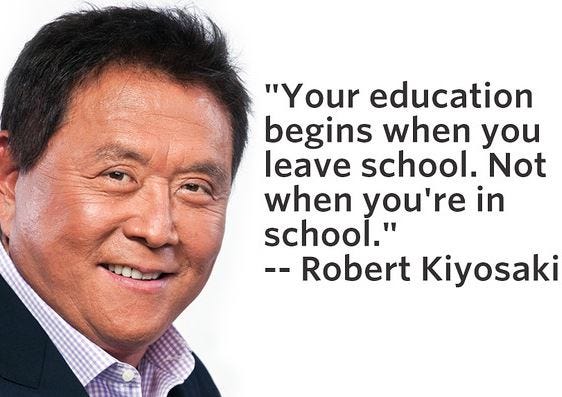
“If you want to be rich, you need to be financially intelligent.” This concise directive links back to financial education but focuses specifically on creating passive income streams. Kiyosaki points out that assets that generate passive income free you from the traditional cycle of working for money, allowing wealth to grow independently through wise investments.
The Danger of Treating Home as an Asset
Kiyosaki controversially argues that a personal residence can often be a liability, not an asset, because it costs money to maintain and does not generate income. This quote encourages a reevaluation of the homeownership dream and invites the reader to consider strategies that turn real estate into income-generating assets instead of financial drains.
Assets Versus Liabilities: A Daily Choice
Every day, financial decisions implicitly choose between acquiring assets or liabilities. Kiyosaki’s insight about the daily financial choices you make highlights the importance of intention and awareness in money management. Each purchase potentially strengthens or weakens your financial future, making this a critical, ongoing practice for wealth creation.
Building Assets Through Entrepreneurship
“The rich don’t work for money; they have money work for them.” Entrepreneurship is a key vehicle for building assets according to Kiyosaki. This quote inspires the reader to consider business ownership and other income-generating ventures as avenues to create assets that keep producing wealth long-term.
The Role of Mindset in Managing Assets and Liabilities
Kiyosaki stresses that how you think about money heavily influences your financial outcomes. By shifting your mindset toward valuing assets over liabilities, you start a transformation that reflects not only in your bank account but also in your financial confidence and decisions.
Financial Freedom Through Asset Accumulation
The ultimate promise of understanding and applying the assets versus liabilities concept is achieving financial freedom. Kiyosaki’s closing thoughts urge readers to make conscious, informed choices that prioritize building a strong asset base, paving the way for a future where money works for you, not the other way around.