Ever wondered how ancient words can still pack a punch, stirring our emotions and challenging our understanding of life’s most intense moments? Aristotle’s Poetics dives deep into the realms of tragedy and catharsis, offering insights that are as relevant now as they were millennia ago. But can these old ideas really explain why we cry at plays or feel cleansed after witnessing tragedy? Let’s explore 10 powerful quotes from Poetics that reveal the enigmatic dance between tragedy and catharsis—are you ready to challenge your perspective?
The Art of Catharsis Through Tragedy

“And it is through fantasy that children achieve catharsis; it is the best means they…” Though Maurice Sendak isn’t Aristotle, his words echo the heart of Aristotle’s idea: tragedy purges emotions by allowing us to experience fear and pity in a contained space. Can we really say we “cleanse” our emotions, or does tragedy just stir them anew?
Understanding Catharsis and Tragedy

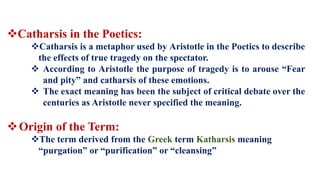
Aristotle famously defined tragedy as an imitation of an action that is serious and complete, evoking pity and fear to achieve catharsis. But what exactly happens in this emotional “cleansing”? Does catharsis leave us relieved, wiser, or something else entirely? This challenge to the psyche may be why tragedy has endured throughout history.
The Role of Pity and Fear

“Pity and fear, properly aroused, bring about catharsis of such emotions.” Aristotle’s pinpointing of these emotions invites a tricky question: are we truly moved because we recognize ourselves in the characters, or because we relish the spectacle of misfortune? The ambiguity fuels the timeless intrigue surrounding tragedy.
Tragedy’s Imitation of Action
Aristotle stressed that tragedy presents an imitation of a serious and complete action. But how does this “imitation” differ from mere storytelling? It’s a deliberate crafting to stir emotions purposefully—making us question: do we respond simply to the plot, or to the universal truths hidden in the narrative’s structure?
The Structure and Unity of Tragedy

The unity of plot is central to Aristotle’s theory—every event should follow logically and inevitably from the last. Could this strict structure be the secret ingredient to triggering catharsis? Or is it the unpredictability within that framework that truly grips our hearts and minds?