Communication is much more than just exchanging words; it’s a complex dance of signals, interpretations, and meanings that shape our realities. Paul Watzlawick, a pioneering thinker in the field of communication theory, offers insights that not only challenge our understanding of interaction but also reveal the deeper layers of human connection. Here are 10 eye-opening quotes from Watzlawick that promise a shift in perspective on communication, inviting you to explore its subtle power and profound impact.
The Inescapable Nature of Communication
“There is in the nature of human communication” a truth we tend to overlook: communication is constant. Even silence or absence of speech conveys a message. Watzlawick reminds us that we cannot not communicate. This means every behavior, deliberate or accidental, contributes to the communication mosaic.
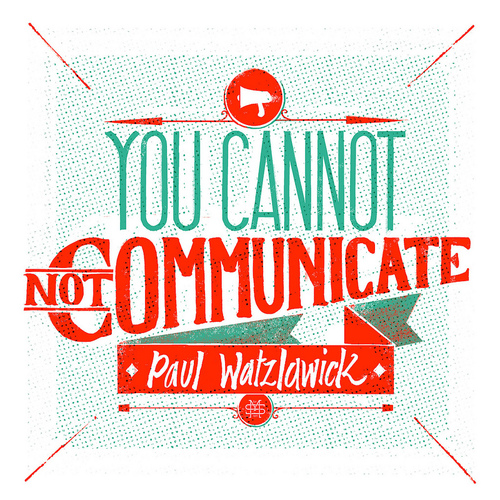
You Cannot Not Communicate
This famous paradox emphasizes the inevitability of communication. Even if you try to withhold your messages, your posture, facial expressions, or mere presence still send information to those around you. Recognizing this opens up new levels of awareness about the impact of our actions.
The Power Behind Propaganda
Watzlawick sheds light on propaganda’s secret: the manipulation of communication’s subtle nuances. It’s not just about what is said but how repetition, framing, and emotional appeals create persuasion and influence. This insight challenges us to become more critical and mindful of the messages we consume.
Breaking Convention with Radical Constructivism
Radical constructivism, as framed by Watzlawick, invites us to question the “truths” we hold about communication. It breaks away from traditional conventions and views reality as constructed through interactions. This perspective revolutionizes how we understand meanings and relationships.
Understanding Context is Key
The context in which communication occurs shapes its meaning profoundly. Watzlawick urges us to look beyond words and recognize the situational and relational layers influencing how messages are delivered and interpreted. This deeper understanding teaches empathy and patience in dialogue.