In the vast ocean of information, where waves of news crash and retreat with relentless force, Noam Chomsky’s words emerge as a steady lighthouse, guiding us through the stormy seas of media and truth. His insights reveal the subtle currents beneath the surface, urging us to navigate carefully and remain vigilant against the tides of misinformation. Here are 10 profound quotes that illuminate the fragile dance between media narratives and the pursuit of truth.
The Unpoured Truth: Mind as a Garden, Not a Vessel
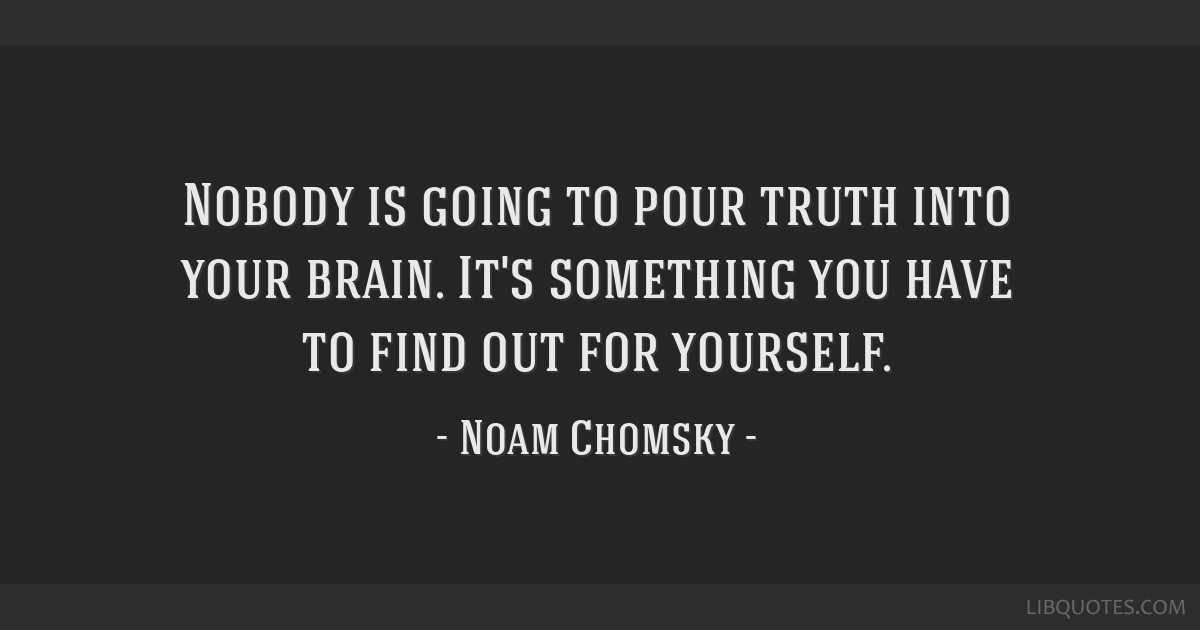
“Nobody is going to pour truth into your brain.” Chomsky reminds us that the mind is not a passive jar to be filled but a fertile garden to cultivate. Truth requires active engagement and growth, not passive absorption. In the realm of media, this means questioning, exploring, and nurturing skepticism as the roots of understanding.
Media as Battlefield: The War Over Reality

The media landscape is often portrayed as a battlefield where narratives clash for dominance. Chomsky’s discourse on media war unveils the strategic shaping of public perception, encouraging us to discern between propaganda and authentic journalism. Truth becomes a prize fought over by competing interests, not a given fact.
The Intellectual’s Vigil: Guardians of Truth’s Gateway
Chomsky places a heavy mantle on intellectuals, describing them as sentinels charged with guarding the gates of truth. In an era where facts can be malleable, their duty transcends mere observation—they must speak, provoke, and illuminate. The media’s power is tempered by those willing to lift their voice against the tide of complacency.
The Hidden Face of Society: Media’s Double Mirror

Peering through the media’s double mirror, Chomsky reveals how societal truths are often distorted reflections shaped by vested interests. This distortion can camouflage systemic inequalities and mask inconvenient realities, challenging us to look beyond the glossy surface and uncover the harsher truths beneath.
The Quiet Oblivion: Public’s Blindfold
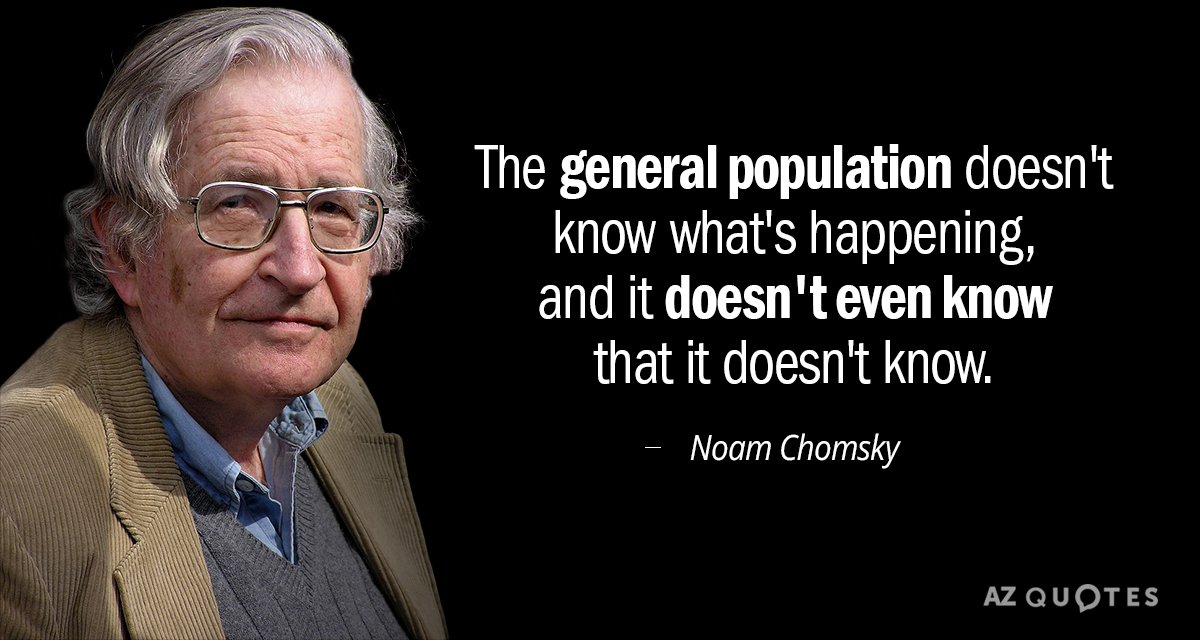
“The general population doesn’t know what’s happening,” Chomsky warns. The cloak of ignorance is often woven by selective media coverage and complex jargon, leaving the public blindfolded amid critical issues. Recognizing this blindness is the first step in reclaiming agency and demanding transparency.
The Manufactured Consent: Puppet Strings of Power
Chomsky’s concept of “manufactured consent” unveils how media can subtly choreograph public opinion, manipulating emotions and perceptions as if they were puppet strings. This spectacle of consensus is less about truth and more about maintaining the status quo, urging observers to question the authenticity behind widely accepted narratives.
Language as a Prism: Refracting Reality
Words carry weight, but Chomsky highlights their role as a prism refracting reality into selective spectra. The media’s choice of language shapes how events are understood, influencing emotions and judgments. Decoding these linguistic filters helps untangle fact from framing and exposes media bias.
The Silent Majority: Voices in the Margins
While media often amplifies dominant voices, Chomsky draws attention to the silent majority—those marginalized perspectives omitted or overshadowed. Their stories are crucial threads in the fabric of truth, urging a media landscape that listens beyond the center stage.
Education as Armor: Empowering the Informed
In Chomsky’s vision, education fortifies us with critical armor against misinformation’s arrows. It cultivates independent thought and analytical skills necessary to sift through media noise, empowering individuals to become architects of their own understanding rather than passive consumers.
The Continuing Quest: Truth as a Horizon
Finally, Chomsky portrays truth not as a static treasure but as a distant horizon on an endless voyage. The media’s shifting tides and societal complexities ensure this journey remains ongoing, demanding perpetual vigilance, inquiry, and courage to sail forward despite uncertainty.