Michel Foucault’s reflections on power continue to captivate thinkers across disciplines, not just for their incisive insight but also because they unveil the complex and often paradoxical nature of power itself. Those who encounter his ideas recognize a truth that is both unsettling and enlightening: power is everywhere, woven into the fabric of our social existence, yet it remains elusive and multifaceted. The following quotes invite us to reconsider the common assumptions about power and reveal why this subject remains a critical point of contemplation.
Where There Is Power, There Is Resistance
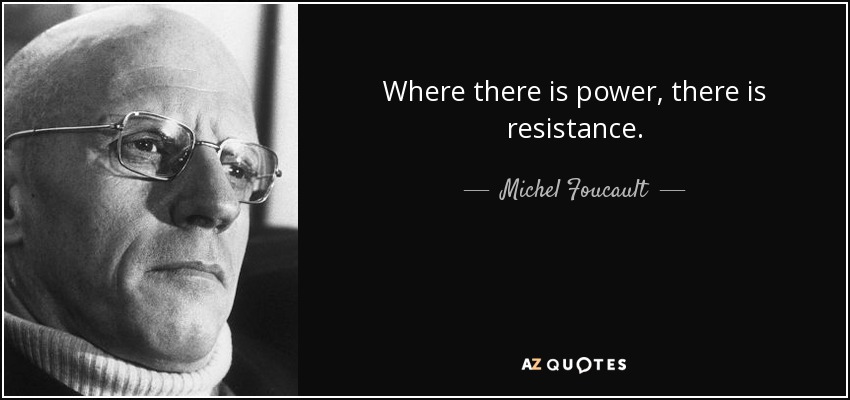
Foucault’s assertion that power inherently provokes resistance challenges the conventional view of power as unilateral domination. Instead, it suggests a dynamic relationship where power and resistance are inseparable. This idea clarifies why movements for change emerge continuously wherever power is asserted, underscoring power’s inherent instability and the constant negotiation shaping social relations.
The Power to Punish Is Not Simply Repressive

Power is often seen as a harsh tool of repression, but Foucault reframes it by emphasizing its productive dimension. The power to punish, for example, not only restricts behavior but also produces new forms of knowledge, control, and social discipline. This nuanced view compels us to rethink punishment’s role in society—not merely as a response to crime but as a mechanism deeply embedded in the organization of power itself.
Power Is Tolerable Only on Condition That It Hides a Mystery
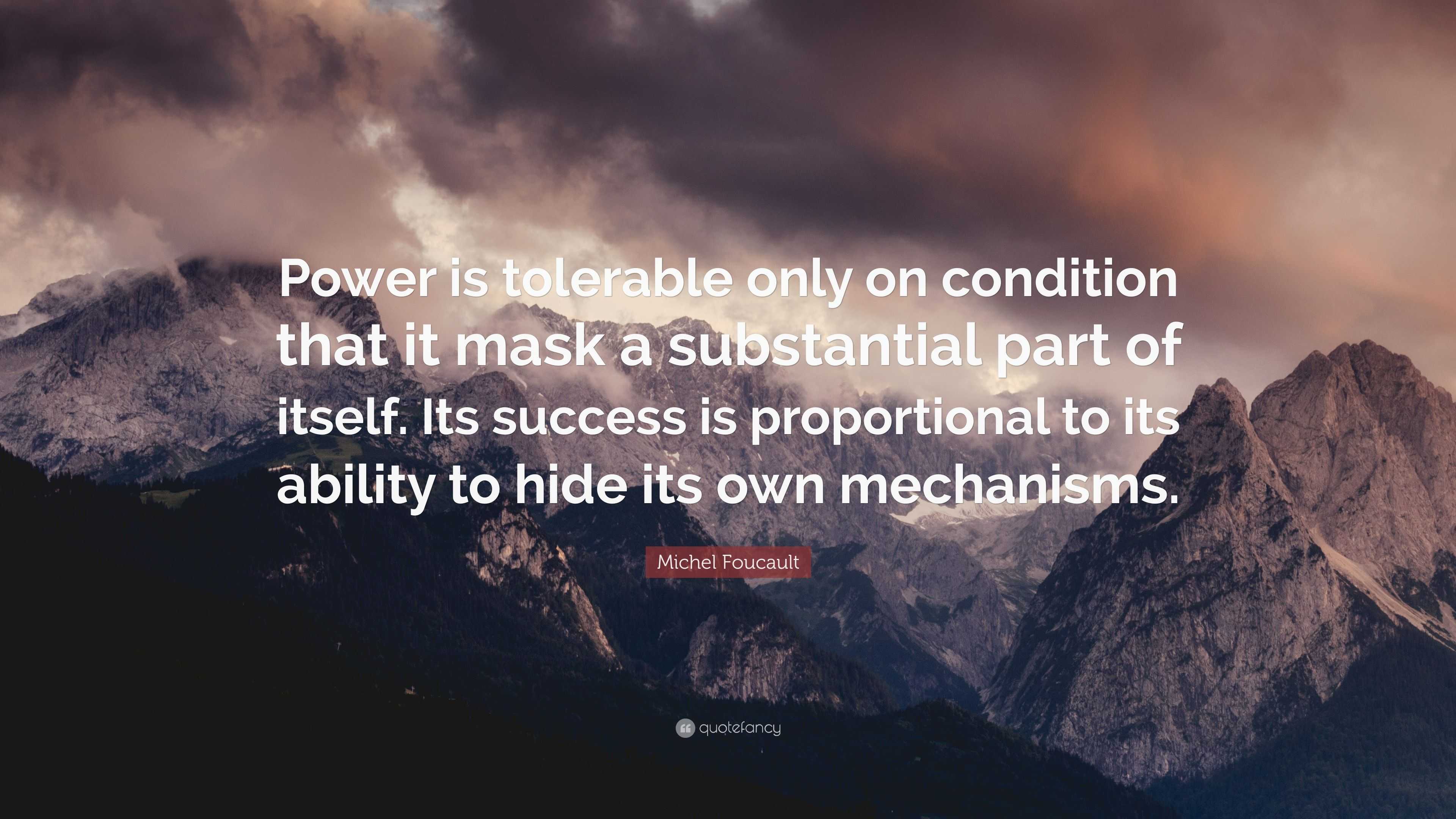
The observation that power’s endurance depends on its concealment hints at its subtle operation. Power often functions through invisible networks and accepted norms that mask its influence, making it not only more effective but also more accepted by those subject to it. This mysterious quality feeds the fascination with power as it both mystifies and commands obedience.
Disciplines Shape the Individual and Society

Though closely linked to the second quote, this image reflects a core Foucauldian theme: power works through disciplines that define and regulate individuals. Normalizing judgments and surveillance form a complex web of control that not only limits but also constructs identities. This insight reveals how deeply power penetrates personal and social levels, influencing behavior and thought.
Power Operates in Networks, Not Just Through Institutions

Rather than locating power solely within institutions like governments or prisons, Foucault points to its diffusion across societal networks. This understanding explains the pervasive influence of power and why it can persist even in the absence of overt authority figures. It is this web-like nature of power that continues to draw intellectual inquiry and debate.