In the labyrinth of human history, the Great Confinement emerges as a shadowy corridor where madness was boxed, cataloged, and locked away from the burgeoning light of civilization. This era, with all its complexities and contradictions, invites reflection through a mosaic of profound quotes that unravel the invisible chains linking society, sanity, and seclusion. Here are ten thought-provoking glimpses into the enigmatic dance between madness and civilization, each quote a lantern illuminating the dark corridors of confinement.
The Cage of Civilization’s Progress


“Civilization is the progress toward a society of privacy. The savage’s whole existence is public, ruled by the laws of his tribe.” This quote pierces the veil of societal development, revealing confinement not just as physical but as a shift into invisible prisons of privacy and isolation. The mad are not simply locked away; they are consigned to the margins of private shadows where their silent cries echo behind closed doors.
Madness as a Mirror to Civilization

The great philosopher Foucault once turned madness into a reflection of civilization’s own fractures. Madness stands as civilization’s distorted mirror, showing the unease beneath its polished veneer. The confinement of the mad was less about safety and more about suppressing what society feared to confront within itself—a haunting, unyielding truth.
The Invisible Bars of Cultural Confinement
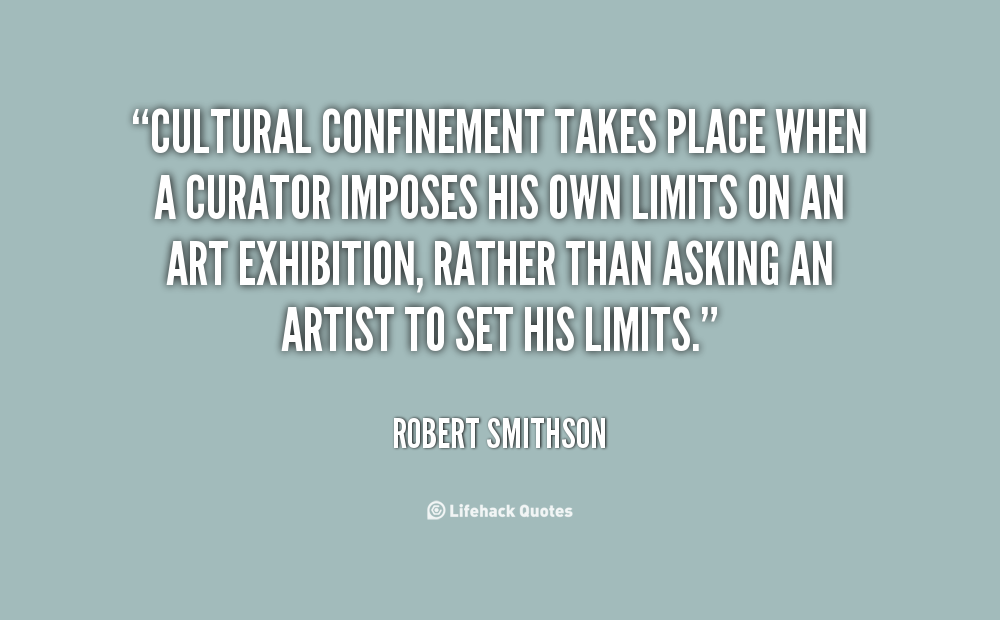
“Cultural confinement takes place when a curator locks away what does not fit their narrative.” This metaphor turns the physical cells of asylums into galleries of selective history. The mad were not only confined by brick and mortar but also by the cultural frames that dictated which voices were permitted and which were silenced forever.
Confinement: The Silent Scream of Modernity

“It is so stupid of modern civilisation to have given up…” echoes a lament for the cost of progress. Modernity’s great leap forward cast aside many in the name of order, sanity, and progress. The mad, once integrated as part of the societal chorus, became silent notes on the forgotten sheet of civilization’s symphony.
The Architecture of Madness

The walls of confinement stood not merely as barriers but as architectural embodiments of fear and misunderstanding. As Charles Lindbergh’s era dawned, these walls were symbols entangled with civilization’s quest to propel forward while pushing backward those destabilized by its own creations.
Madness as Civilization’s Forgotten Shadow
In the glow of civilization’s achievements, madness lingers like a forgotten shadow—ignored, cast aside, and confined. It reminds us that progress often walks hand-in-hand with exclusion, separating those who conform from those who challenge the delicate balance of order.
The Silent Testimony of Confined Minds
Within each confined mind lies a silent testimony, non-verbal yet searing. Confinement becomes more than physical segregation; it transforms into an erasure of narratives that dare to question the legitimacy of imposed rationality.
From Public Madness to Private Isolation
The journey from public madness to private isolation is the shadowy path taken by those labeled as mad. This migration reflects a civilization that prefers its disorder bottled away, hidden from the communal eye under the guise of “care” and “control.”
Confinement as a Social Contract Breach
When society confines its own, it breaches the social contract binding humanity. Madness becomes a casualty of civilization’s attempt to sanitize existence, sacrificing empathy on the altar of perceived normalcy and order.
The Echoes of Forgotten Voices
In the silence that follows confinement, echoes of those forgotten voices reverberate. Their stories, once stifled, are now calls to reconsider the shadows cast by the Great Confinement—reminders that civilization’s light is brightest when it embraces rather than excludes the madness within.