


Few songs have captured the complex spirit of a generation quite like Nirvana’s “Smells Like Teen Spirit.” Behind the anthem’s grunge-fueled exterior lies a labyrinth of emotions about fame, creativity, and burnout. Kurt Cobain’s reflections on the song reveal a much deeper story—one that shifts our understanding from mere rebellion to a poignant commentary on artistic pressure and exhaustion. Here are 10 compelling insights from Cobain that shed light on his evolving relationship with “Smells Like Teen Spirit” and the toll it took on him.
The Hidden Disdain Behind the Anthem
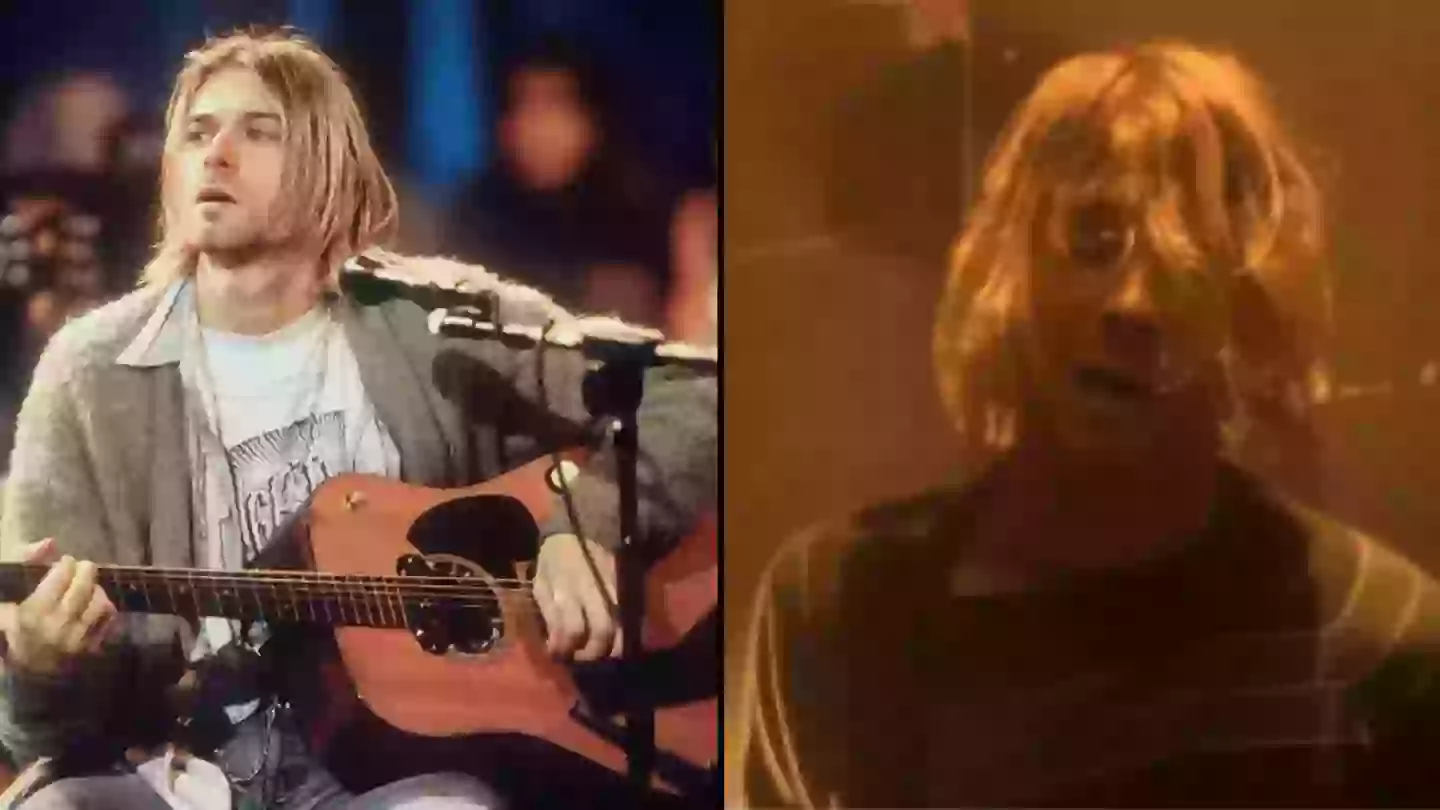
Kurt Cobain once explicitly expressed a complex aversion to “Smells Like Teen Spirit,” a song that skyrocketed his band to superstardom but left him feeling trapped. Rather than embracing their hit, he confessed that it felt like a double-edged sword, a reminder of both rapid success and loss of control. This paradox captured the essence of burnout, revealing how the very thing that brought fame also carried a heavy emotional price.
Iconic Yet Uncomfortable: The Song’s Face to the World
While millions celebrated the explosive energy of “Smells Like Teen Spirit,” Kurt’s viewpoint was more conflicted. He often spoke about how the overwhelming attention to the song overshadowed the band’s broader artistic goals. This collision between public perception and personal intent highlights the exhaustion that comes when creativity becomes co-opted by external demands and expectations.
The Vocal Rawness: A Window Into Exhaustion

Isolated tracks of Kurt’s vocals reveal not only his raw talent but also a subtle weariness in his voice. The imperfection and vulnerability conveyed through his singing can be interpreted as an audible marker of the strain he endured. It’s in these moments that the façade of grunge rebellion gives way to the reality of a creative spirit pushing against exhaustion.
Apathy as a Form of Revolution

“Smells Like Teen Spirit” has often been described as an apathetic revolution—an anthem for those disillusioned with societal norms. Kurt himself reflected on this theme, suggesting that the song was born from a place of emotional disconnect and fatigue rather than youthful exuberance. This perspective transforms the song from a simple youth protest into a profound expression of emotional burnout.
Behind the Curtain: Struggles with Depression

The personal battles Cobain faced with depression undeniably influenced his relationship to “Smells Like Teen Spirit.” He candidly discussed how the pressures of sudden fame exacerbated his mental health struggles. The song became a symbol not only of a generation’s angst but also of the invisible weight carried throughout his creative journey, emphasizing how burnout can manifest in deeply personal and often hidden ways.
The Irony of Success
Despite being labeled as a “rebel,” Cobain was painfully aware of the ironies surrounding his success. The anthem meant to unify the disaffected instead placed him squarely under the spotlight he so often wanted to escape. This duality reveals the cost of artistic success on mental wellness—how public adoration can sometimes amplify inner turmoil rather than alleviate it.
Creative Static: When Inspiration Runs Dry
Kurt spoke about the fatigue that came from constantly trying to replicate or live up to the smash hit. The song’s massive popularity created an overwhelming expectation that sapped his motivation. His reflections invite us to consider the subtle ways burnout can quietly choke creative growth even amid accolades.
The Burden of Legacy
Over time, Cobain’s relationship with “Smells Like Teen Spirit” evolved into one marked by a sense of burden rather than pride. He recognized that the song’s legacy, while monumental, was an anchor weighing him down, muting new expressions and confining him to a past moment. This shift challenges us to rethink legacy—not just as fame but as an ongoing negotiation with personal identity and well-being.
Silence as Resistance
In moments of silence or withdrawing from the public eye, Kurt found a way to reclaim himself from the overwhelming narrative spun by “Smells Like Teen Spirit.” His sporadic retreats suggest that sometimes the bravest act is choosing rest over relentless output—an essential insight into battling burnout in any field.
Lasting Echoes beyond the Music
Kurt Cobain’s quotes and reflections on “Smells Like Teen Spirit” extend beyond just music. They challenge us to question how society venerates cultural icons while often ignoring their humanity. By exploring his candid thoughts on burnout, we’re invited to rethink how we support creative souls and the meaning we ascribe to artistic milestones.
