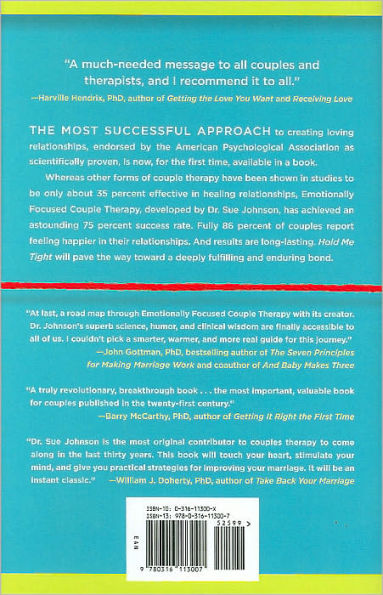
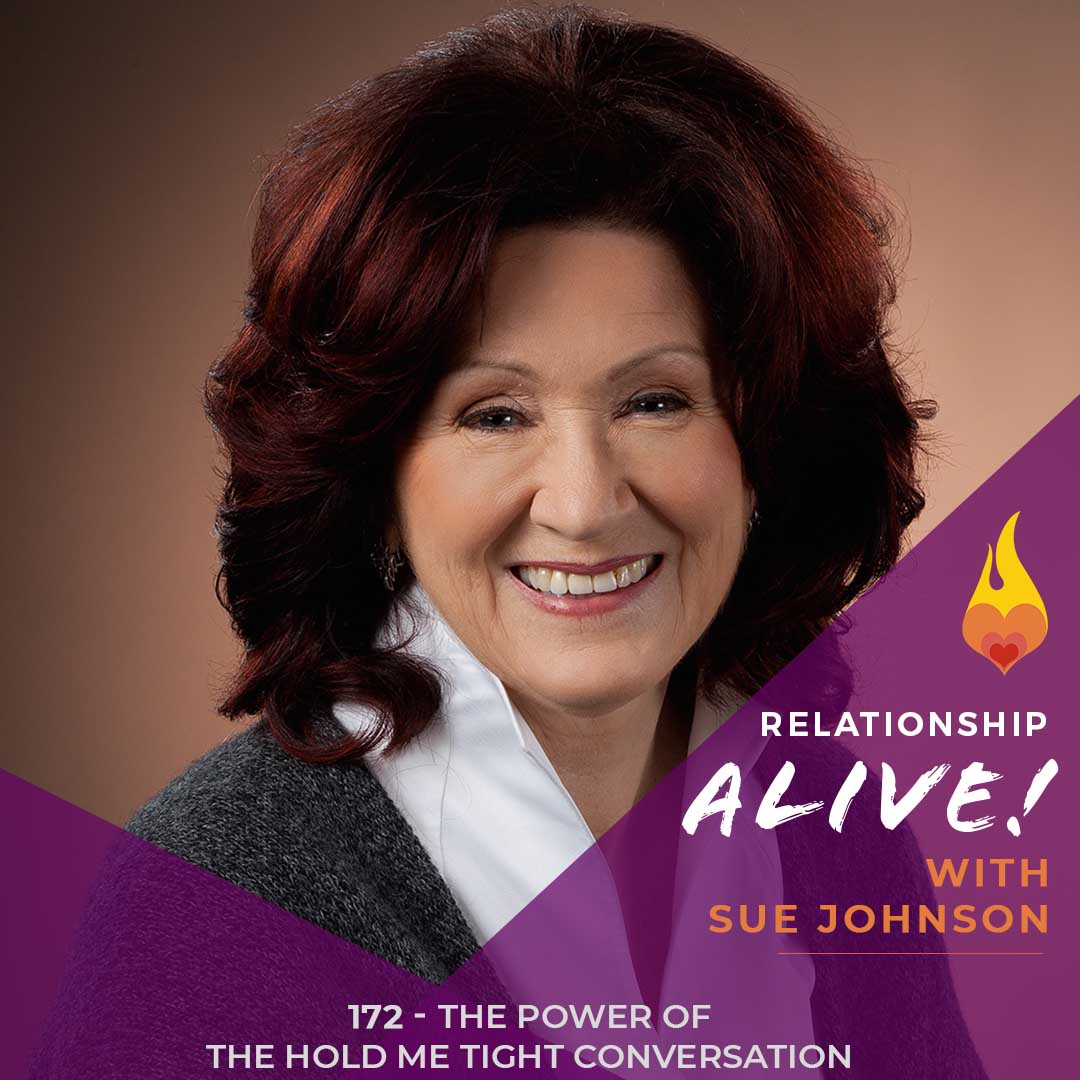
Are we truly as connected as we think, or are there unseen gaps in how we bond with those we love? Sue Johnson’s Hold Me Tight invites us to explore the emotional dance of bonding through Emotionally Focused Therapy (EFT), challenging us to deepen our attachments and nurture relationships that endure. Here are 10 unforgettable quotes from the book that pulse with wisdom about EFT and bonding, each accompanied by thought-provoking imagery to ignite your journey toward emotional intimacy.
The Foundation of Emotional Bonding
“Love is not just a feeling; it’s an attachment bond. It is a secure connection that we nurture and protect.” This quote lays the groundwork for understanding that at the core of love lies a bond that demands attention and care. Are we ready to see love as a living connection rather than a fleeting sensation?
The Power of Vulnerability in Connection
“Vulnerability is the doorway to emotional closeness. Opening up fosters trust and rewires connection.” This perspective flips the script on vulnerability as weakness and instead reveals it as the daring act that strengthens our emotional bonds. Can we dare to be truly seen?
Creating Safe Emotional Spaces

“To allow love in, we must first feel safe. Safe connections give us the confidence to express our deepest needs.” Safety here isn’t just physical—it’s profoundly emotional. The challenge is maintaining this safe space consistently amid life’s storms. How stable is your emotional haven?
The Role of Conversations in Healing Bonds

“It’s the conversations we return to again and again that shape the health of our relationships.” Effective communication underpins all lasting attachments. Notice how this quote spotlights the power of dialogue in unraveling pain and knitting hearts. Are your conversations healing, or wounding?
Attachment Needs Are Universal

“We all have the same yearnings — to be seen, soothed, and safe in the arms of another.” This reminds us that at the core, attachment is a shared human experience, not a luxury reserved for the few. Does this universality challenge the way you approach your own relationships?