


Have you ever found yourself stuck in a situation where every choice seems to trap you deeper, like walking in a circle without knowing it? Gregory Bateson’s concept of the “double bind” challenges us to think about communication, contradictions, and the perplexing traps our minds can fall into. What if the very signals meant to guide us are the ones holding us back? Dive into these ten thought-provoking insights inspired by Bateson’s work and see if you can unravel the puzzle.
Bateson’s Intricate View on Complex Ideas
Gregory Bateson urges us to see beyond the obvious in complex communication patterns. In his exploration of double binds, the contradictions in communication are not mere errors but integral parts of human psychological experience. Are we always aware when our interactions carry hidden traps?
Understanding the Double Bind Theory

The double bind theory highlights how conflicting messages create tension that often leaves individuals confused and paralyzed. Bateson illustrated this with examples from family dynamics, where contradictory demands from parents could send mixed signals to children. Could it be that our subconscious weighs these invisible pressures more heavily than we realize?
Exploring the Mind Through Double Bind Challenges

Bateson’s double bind forces us to question how we process conflicting information. Sometimes, the mind’s attempt to find a resolution to paradoxical messages creates a psychological bind. How often do you find yourself guessing what the ‘right’ choice is when the signals you receive contradict each other?
The Lingering Power of Language and Its Limits

“Language commonly stresses only one side…” Bateson noted how language itself may never fully capture complex human experiences — especially those involving contradictory messages. Could the limitations of language be itself a core cause of the double bind phenomenon?
Quotes That Sketch the Dance of Imbalance
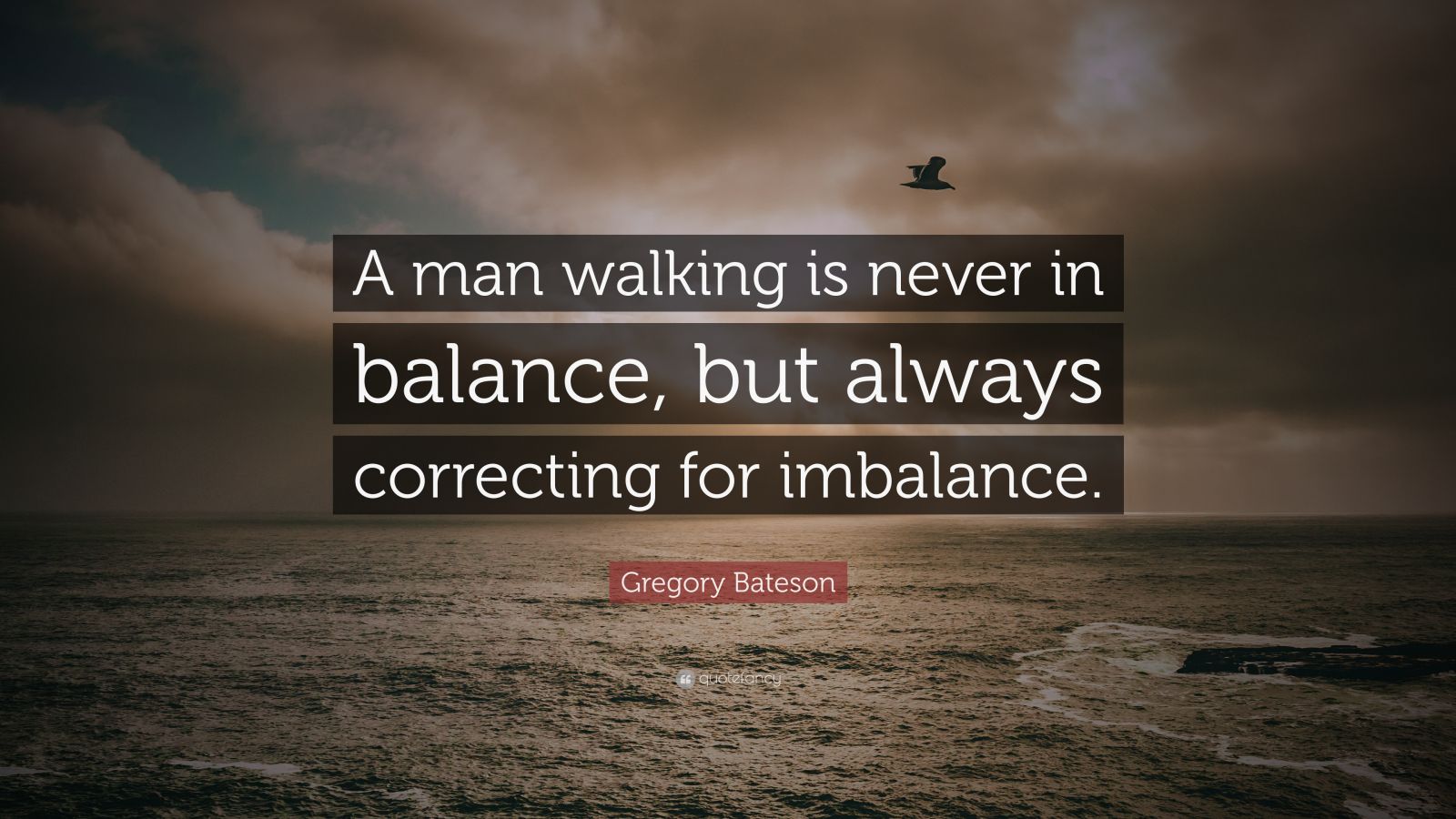
Bateson reminds us that life is an ongoing dance of imbalance and adjustment. The famous idea that “a man walking is never in balance but always moving towards it” hints at the complexity of human experience and the paradoxes we navigate daily. Does recognizing this dance help us untangle the binds we find ourselves caught in?
