Ever wondered how a nanosecond could change the entire course of programming history? What if the power of compilers, those magical tools that translate human ideas into machine commands, was fully realized in that blink of time? Grace Hopper, a pioneer in computer science, captured the essence of speed, innovation, and logic through her unforgettable words. Let’s dive into 10 remarkable quotes from Grace Hopper that intertwine nanoseconds and compilers and see how her insights challenge us to rethink the pace of progress.
Grace Hopper and the Logical Move of Developing Compilers
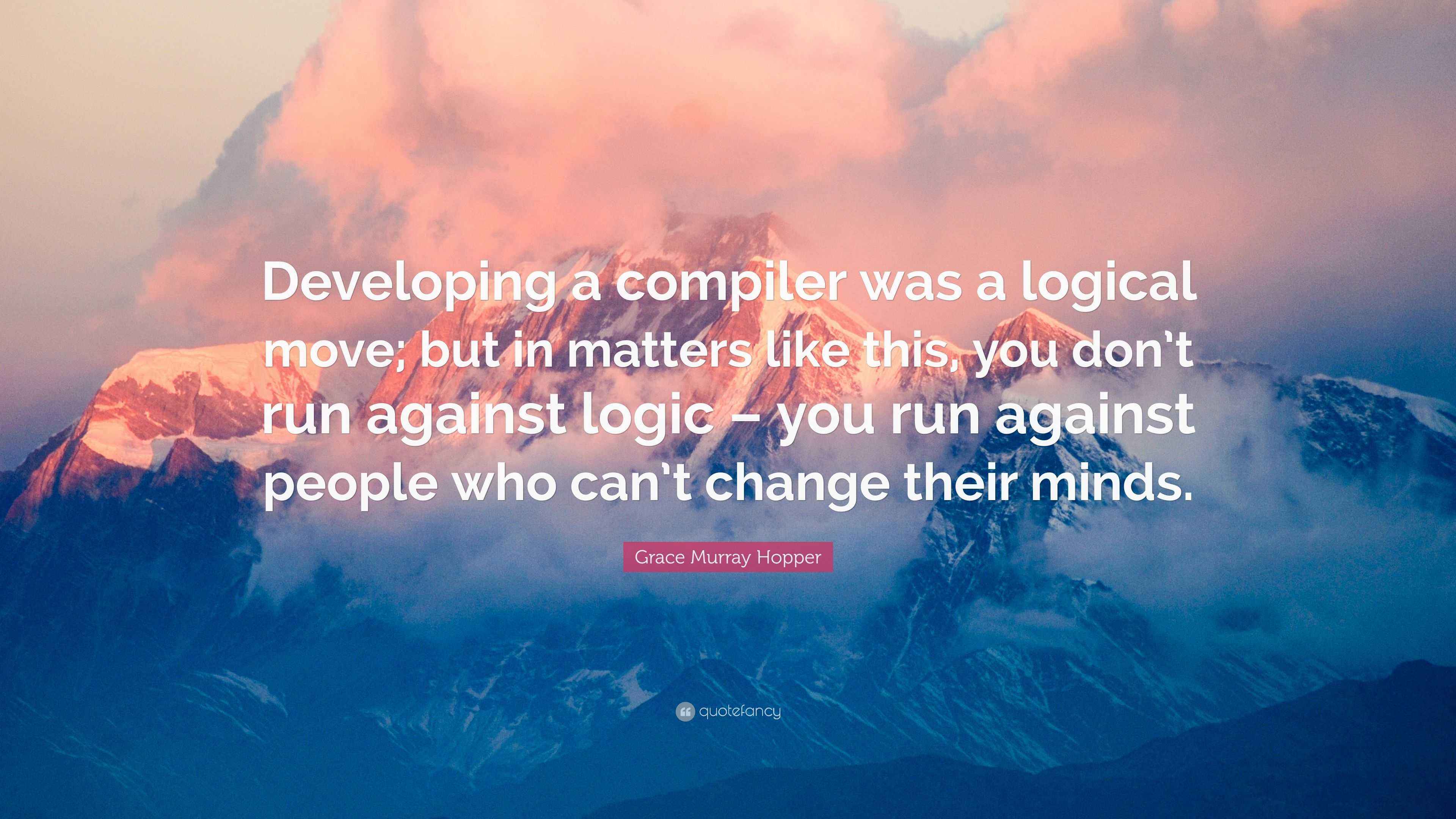
“Developing a compiler was a logical move,” Grace Hopper famously said. This statement reflects more than just a technical milestone; it challenges us to consider how stepping into new territories with logic and foresight can transform technology. The compiler was her brainchild to reduce human error and code faster than ever—shrinking hours to mere nanoseconds of computing time. Can we, today, match that mindset of innovation?
Inspirational Sayings Sparked by Hopper’s Vision

Hopper’s profound sayings inspire programmers to think beyond the current capabilities. Her thoughts encourage patience blended with rapid execution—the paradox of needing speed yet accuracy within those tiny fractions of a second. How do we measure success when the clock ticks so fast, and we strive to keep up with the unfolding future?
Programming the First Computer — A Hidden Hero’s Story
Grace Hopper’s pioneering work in programming one of the first computers stands as a testament to foresight in an era when computing was measured in seconds, not nanoseconds. Her ability to translate complex ideas into executable code underscores the compiler’s role as a bridge between human thinking and machine language. Isn’t it fascinating how these early efforts now seem like ancient history against today’s lightning-fast digital landscape?
Grace Hopper on Education and Programming

Education, for Hopper, wasn’t just learning syntax—it was about understanding the importance of speed and precision in the new digital age. Her quotes emphasize the need to grasp even the smallest units of time, like nanoseconds, because every micro-advancement in compiler technology accelerates progress. Are we embracing these moments enough to outpace technological challenges?
Did Grace Hopper Actually Create the First Compiler?

The debate about who created the first compiler often highlights Grace Hopper’s name, and rightly so. Thanks to her innovative thinking, compilers evolved from experimental tools to essential pillars of computing. Her efforts shrank processing times drastically, turning what once took seconds into nanoseconds. Could modern compilers ever reach their full potential without her foundational work?
Nanoseconds: The Invisible Advantage in Programming
Grace Hopper’s recognition of the importance of tiny time increments urged programmers to chase efficiency. She knew that every nanosecond saved on computation multiplied across billions of cycles could change the performance landscape drastically. In the race for speed, are we appreciating the smallest units enough to make the biggest difference?
Compiler Development as a Catalyst for Speed
Hopper’s work on compilers was not just about translation—it was about speed and accuracy. She envisioned a future where programs weren’t written in cumbersome machine code but in human-friendly languages compiled instantly. Isn’t it a challenge today to keep pushing those boundaries and make every nanosecond count?
The Relationship Between Programming and Time
Through Hopper’s eyes, programming becomes a dance of time, where milliseconds aren’t quick enough, and nanoseconds are the new frontier. Her legacy dares us to navigate the constraints of time with creativity and determination. How might we innovate if we perceived time with that much urgency?
Legacy of a Compiler Pioneer
Grace Hopper’s quotes remind us that the art of building compilers was about more than code—it was about thinking ahead and trusting in logical leaps. She turned patience and timing into powerful tools, pushing the world to value precise, efficient programming. Could your next breakthrough happen if you started watching the clock a little more carefully?
From Nanoseconds to Giant Leaps
Ultimately, Hopper’s wisdom teaches that even the smallest fractions of time can fuel giant advancements. As programmers and technologists, it’s a playful—and healthy—challenge to push further, think faster, and innovate sooner. So, what are you going to do with your nanoseconds today?