Baruch Spinoza, a 17th-century philosopher, presents a profound vision of God and nature that challenges conventional thinking and offers a refreshing shift in perspective. In his seminal work Ethics, Spinoza dismantles the boundaries between the divine and the natural world, inviting us to see them as one interconnected reality. Here are ten quotes from Ethics that illuminate his unique understanding, each revealing layers of insight that might forever change how you view existence.
The Unity of God and Nature

Spinoza famously equates God with Nature itself, refusing to see divinity as a separate entity but as the very essence of everything that exists. This radical identification encourages us to find spirituality not in the heavens but in the world around us — in every tree, stream, and breath of air.
The Emotional Depth of Understanding Nature

Delving into the emotions, Spinoza asserts they are integral to our grasp of the world’s true nature. By employing reason and method, we can better comprehend our passions and how they connect us to the broader cosmos, making the personal universal.
Seeing God through Rational Clarity

Through the lens of reason, Spinoza reveals the divine as an infinite, necessary substance, structured by the laws of nature itself. This perspective invites us to replace fear and superstition with thoughtful reflection and awe at the ordered harmony of existence.
Ethics as Pathway to Understanding

Ethics, for Spinoza, is not merely moral precepts but a framework for understanding our place in the universe. By aligning ourselves with the rational order of nature, we can attain peace, freedom, and a profound joy grounded in knowledge.
The Infinite Nature of God
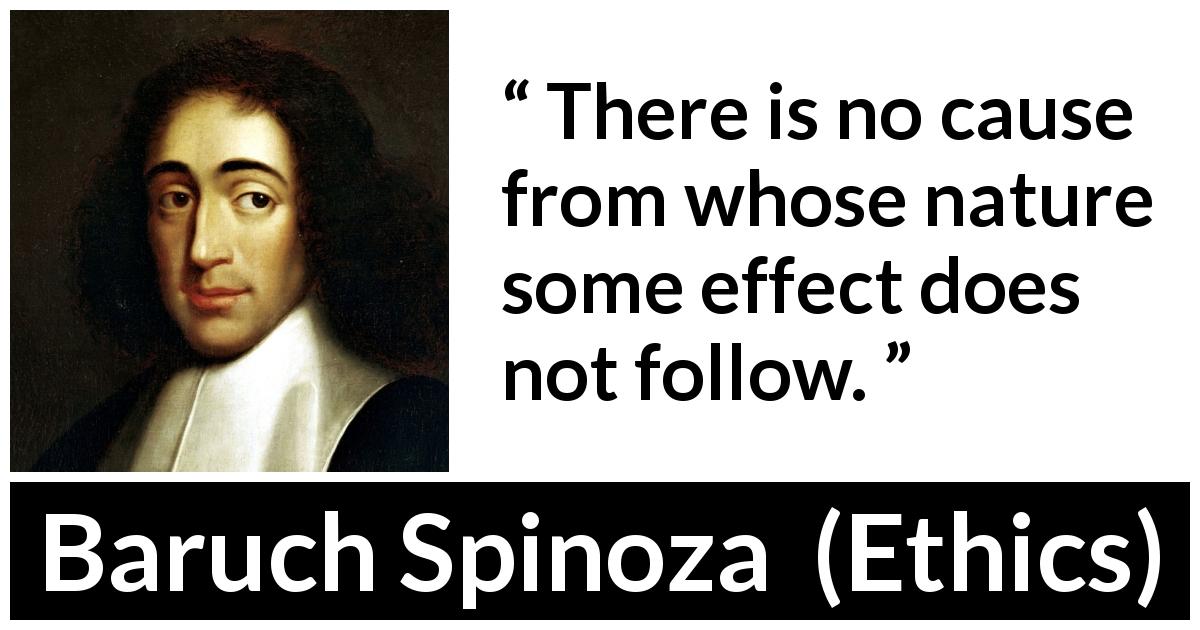
God’s infinity means limitless existence without beginning or end. Spinoza’s vision invites us to embrace this infinite scope, seeing ourselves as parts of an eternal, ever-unfolding reality rather than isolated individuals.
God as the Cause of All Things
“God is the cause of all things insofar as they exist.” This foundational idea breaks down the artificial barriers between creator and creation. Everything that exists is a mode or expression of the one infinite substance called God, making the cosmos a unified whole.
Nature’s Laws as Divine Expressions
Spinoza teaches that the laws governing the universe are not arbitrary but essential expressions of God’s nature. Understanding these laws is tantamount to understanding God itself—a perspective that transforms science into a spiritual endeavor.
The Mind’s Relationship to God
According to Spinoza, the human mind is a part of God’s infinite intellect. This profound connection assures us that our thoughts and consciousness reflect universal truths, offering a path toward intellectual and spiritual liberation.
Joy through Knowledge of God and Nature
Joy springs forth when we understand the intricate connection between ourselves, God, and the world. Spinoza’s philosophy suggests that the highest form of happiness arises from this enlightened awareness rather than external rewards or desires.
Freedom Through Understanding Necessity
Finally, freedom is redefined not as the absence of restraint but as understanding. When we comprehend the necessary order of nature and align our will accordingly, we transcend bondage to passion and ignorance, achieving true freedom within the divine order.