Can a tradition truly be “invented” and yet shape the identity of entire nations? Eric Hobsbawm, a towering figure in historical scholarship, has challenged how we perceive the roots of cultural and national identity. His concept of “invented traditions” invites us to reconsider what we often take for granted as “authentic” heritage. Below are 10 thought-provoking quotes from Hobsbawm that explore the paradoxes and power of invented tradition.
The Role of Utopianism in Social Devices
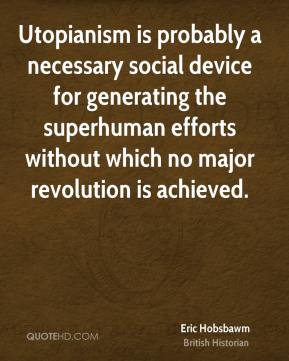
“Utopianism is probably a necessary social device for…”—Hobsbawm highlights how certain beliefs and practices, though invented or idealized, function as vital tools for social cohesion. Traditions, even if recently manufactured, can propel societies forward by offering a shared vision of the future.
Global Expansion: A New Identity Framework
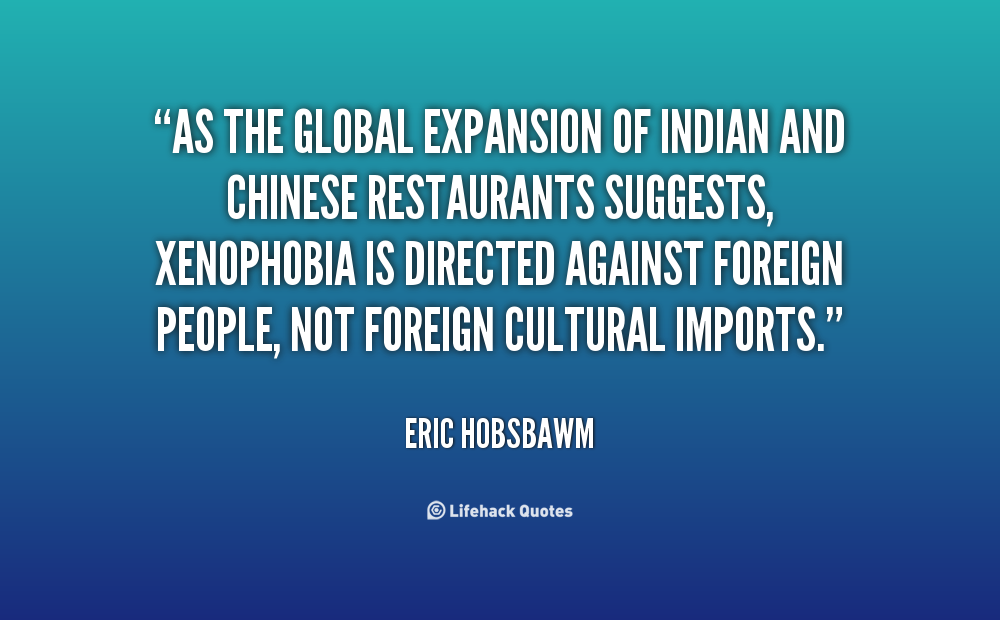
Hobsbawm reflects on how “the global expansion of Indian and other cultures” dramatically reshaped traditions and national identities worldwide. The invention of tradition is not confined to local or national borders but is part of a global conversation, constantly evolving and adapting.
Reimagining Europe: History Meets Myth
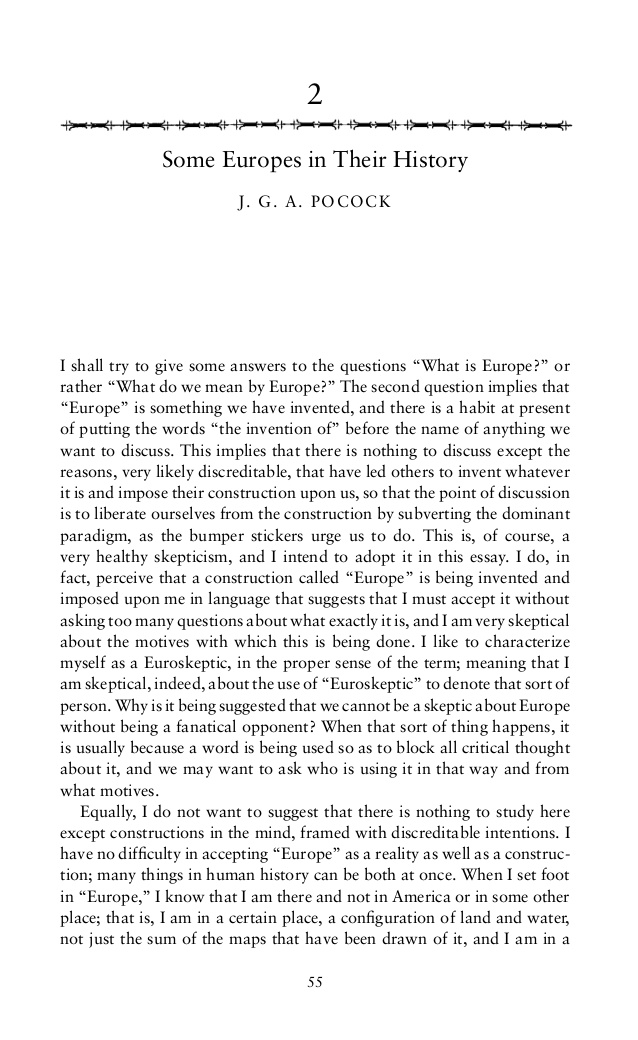
From antiquity to the European Union, Hobsbawm shows how Europe’s identity has been partly shaped by constructed narratives. Traditions play an essential role in linking past to present, crafting a shared sense of belonging despite complex realities.
Nations Without a Past Are Contradictions
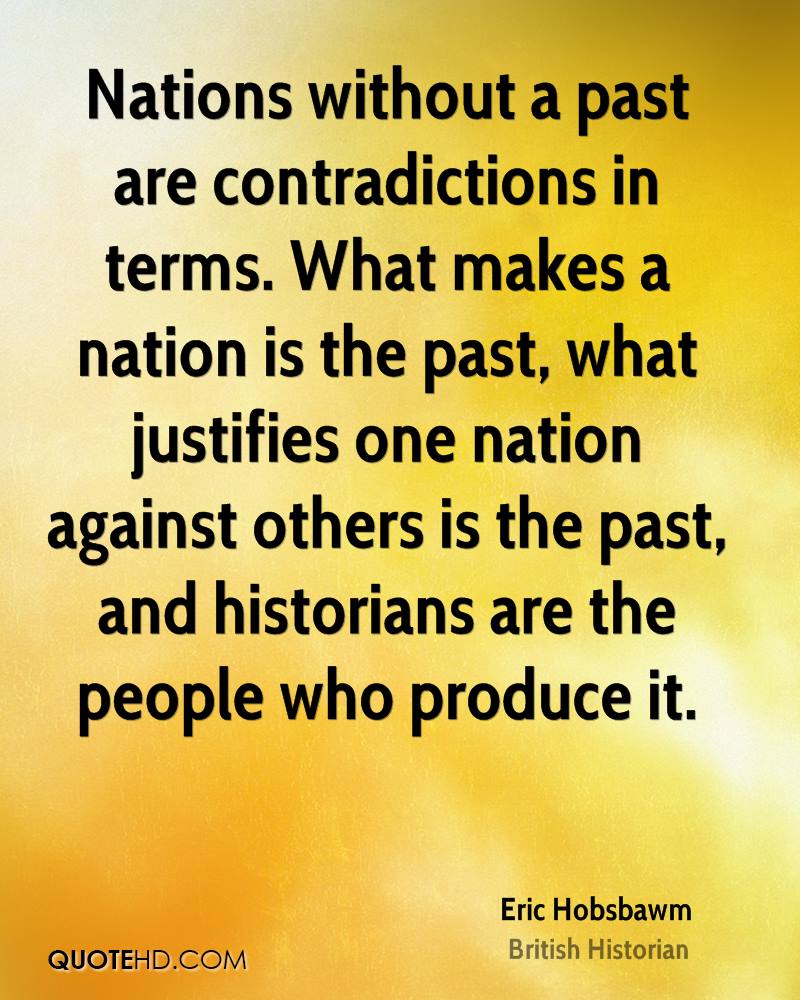
“Nations without a past are contradictions in terms,” says Hobsbawm. This challenges us: can a nation exist without an invented or mythologized history? It suggests that traditions—whether genuine or fabricated—are fundamental to national consciousness.
Inventing Tradition: An Analytical Framework

Hobsbawm’s seminal work, The Invention of Tradition, provides the critical tools to analyze how traditions come into being. It is a call to question the “naturalness” of what we accept as longstanding customs and shows how many traditions have short but intentional histories.
Tradition as a Social Construct
Hobsbawm points out that traditions often serve specific political or social functions, crafted to support the status quo or mobilize populations. The deliberate shaping of collective memory prompts us to reevaluate the origins and purposes of what appears timeless.
The Politics of Memory and Continuity
The memories we inherit are not always accidental. According to Hobsbawm, traditions can be politically motivated, designed to create a sense of continuity that may not historically exist but is psychologically powerful.
Myth vs. History: A Delicate Balance
Hobsbawm’s analysis blurs the line between myth and history, showing how invented traditions mix both to form identities. This challenges the idea that history must be purely objective, raising questions about how societies choose what to remember.
Invented Traditions and National Identity
For Hobsbawm, the construction of tradition is inseparable from the creation of national identity. Nations invent traditions to create a sense of unity and belonging, even if those traditions have little historic grounding.
The Enduring Influence of Tradition
Despite their invented nature, traditions can profoundly impact society, influencing behaviors, politics, and culture. Hobsbawm’s insights encourage us to remain critical yet appreciative of how traditions function in our modern world.