Frank Herbert’s Dune is more than just a science fiction masterpiece; it’s a profound exploration of fear, power, and transformation. Among the many themes woven into the tapestry of Arrakis’s desert sands, the concepts of fear and the mystical spice Melange stand out as gateways to understanding human nature and destiny. Here, we delve into ten powerful quotes from Dune about fear and spice, each shedding light on the shifting perceptions these elements inspire.
The Litany Against Fear: Overcoming Inner Darkness

The Litany Against Fear is perhaps one of the most iconic passages in Dune, a mental tool designed to conquer paralyzing fear. By repeating this litany, characters remind themselves that fear can be faced and controlled. It’s an invitation to shift perspective: from seeing fear as an enemy to acknowledging it as a force that can be mastered.
Existentialism and Spice: A Catalyst for Change

Spice in Dune isn’t just a substance; it symbolizes transformation and insight. It unlocks heightened consciousness but comes with addiction and dependency. This duality mirrors existential questions about freedom and fate—how much control do we really have over ourselves and our environment?
Fear as a Mind Trap: Insights from Frank Herbert
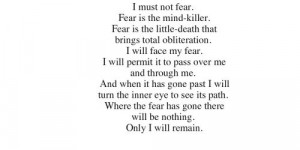
Herbert’s portrayal of fear suggests it acts as a trap that limits human potential. The only antidote is awareness and acquiescence to the present moment. This challenges conventional reactions to fear, inviting a deeper understanding of how fear shapes decision-making and destiny.
Spice and Vision: Seeing Beyond the Present

The spice Melange opens doors to enhanced perception and prescience. It’s a metaphor for the possibilities that unfold when we expand our consciousness beyond immediate reality. Yet, it warns us about the cost of such expansions—loss of self and dependency—prompting reflection on the essence of insight.
Fear, Control, and Power: The Dynamics of Spice

The control of spice means the control of the universe’s future. Fear, both personal and political, is instrumental in maintaining this power. Herbert’s narrative demonstrates how fear can be manipulated to maintain order and dominance, forcing readers to reconsider the nature of authority.